Statistics Canada will publish October’s consumer price index Wednesday, after two months of unusually high increases—the index reached 4.1 per cent in August and 4.4 per cent in September.
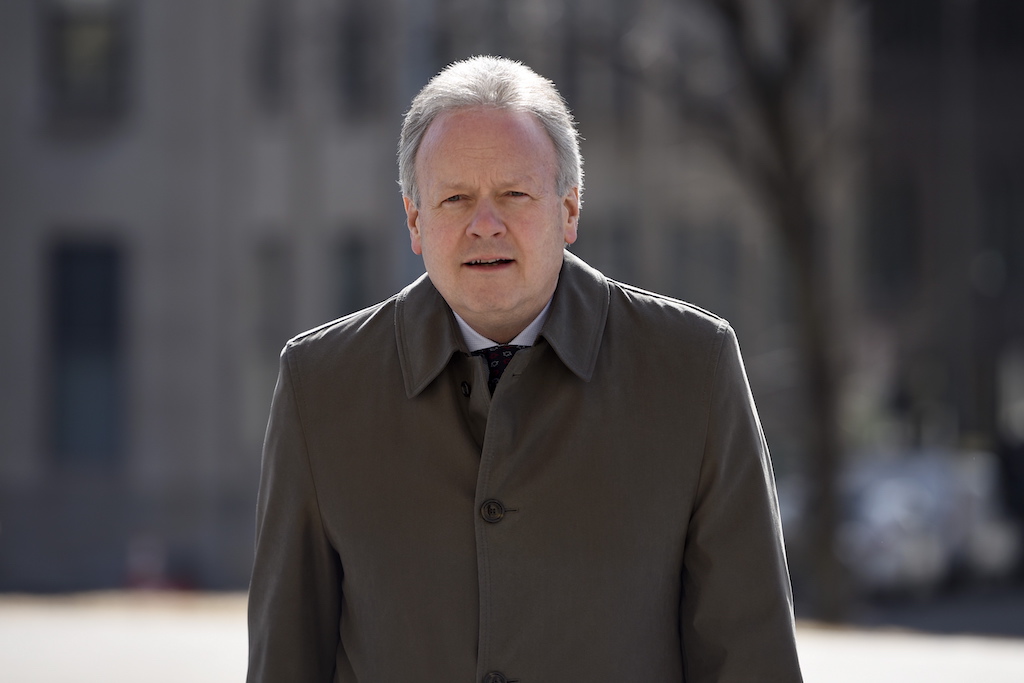
Supply-chain problems and the economic catch-up after a terrible pandemic year will keep pushing prices up for a while, but inflation shouldn’t be a long-term problem thanks to the acceleration of technology, according to former Bank of Canada governor Stephen Poloz.
Why it matters: Inflation is destabilizing, eating away at savings and the purchasing power of people on fixed incomes. When it’s high, planning is difficult, and central banks typically respond by raising interest rates. The Bank of Canada targets an inflation rate of one to three per cent—low, but not zero.
Why Poloz isn’t too worried: In an interview with The Logic, Poloz said forces unleashed by the pandemic will be part of the solution.
“New technology is reducing costs all across the board for companies. So there’s going to be downward pressure on inflation coming from that source. There always is when new technology comes,” Poloz said.
Generally higher wages for frontline workers appear to be permanent, he added, but that’s “just a change of price,” not a dangerous spiral. And in 2020, some prices (especially for fuel) fell sharply, so even a return to normal levels makes for a big year-over-year increase.
The central bank’s massive loans for both private commerce and governments, which began on Poloz’s watch (ending in June 2020), were important for keeping the economy liquid, but shouldn’t be a permanent inflationary increase to the money supply, he said.
“Once people are more comfortable, and companies are becoming more and more comfortable with the outlook, they’ll demand less liquidity,” Poloz said. “They’ll push that liquidity back into their bank, and their bank will collapse the credit structures that allow them to create that liquidity for them.”
What current governor Tiff Macklem says: Much the same thing. In a July op-ed, he wrote that “we shouldn’t overreact to these temporary price increases,” and that inflation should return to target levels in 2022. More recently, he’s tweaked that to say it will likely be “transitory but not short-lived.” On Monday, in a new op-ed, Macklem acknowledged that supply-chain problems and energy prices are keeping prices higher for longer than expected, but “does not mean we have changed our view that recent inflation dynamics are transitory.”













