STE-JULIENNE, Que. — What is billed as the world’s first crypto-powered house sits on a wooded lot off a dirt road about 80 kilometres north of, and a million miles away from, Montreal. With its arched roof and plus-sized entrance, the two-storey pile is more ski-lodge-meets-loading-dock than bleeding-edge house of the future.
Skip to content

 Liberty City developers Eric and Daniel Tadros are twin brothers and longtime crypto bros who see bitcoin mining as a way to offset the cost of housing. Photo: Roger LeMoyne for The Logic
 A road sign near Ste-Julienne, Que. At present, Liberty City is just one house, with three others under construction. The Tadros brothers want to purchase more land to build as many as 40 crypto properties. Photo: Roger LeMoyne for The Logic
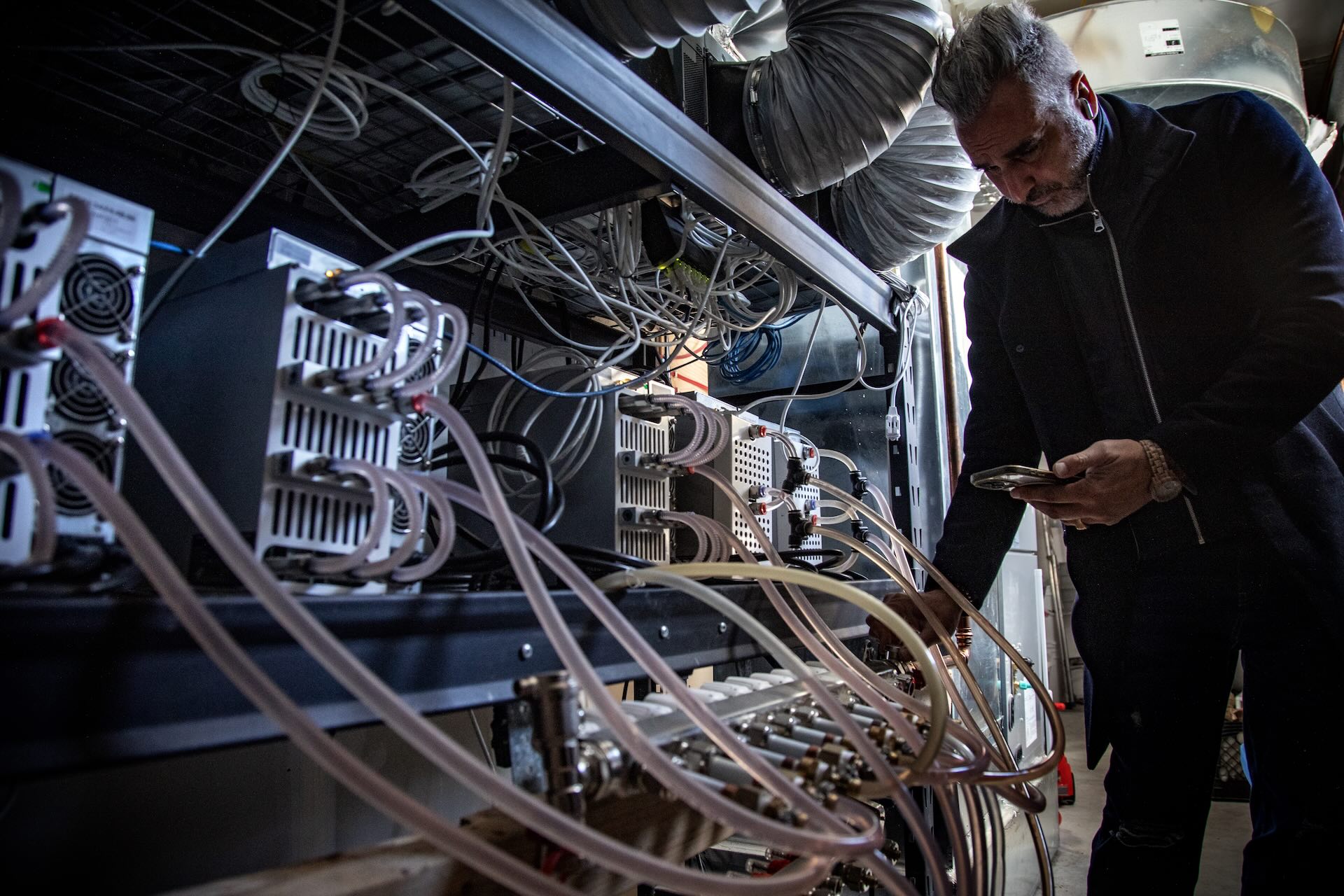 Eric Tadros checks the house’s bitcoin rigs, which double as heating units for the 3,000-square-foot property. Photo: Roger LeMoyne for The Logic

News
A strange, bitcoin-powered community is taking shape in rural Quebec
It’s just one house sitting in a muddy field on the outskirts of Montreal right now, but the bitcoin enthusiasts behind Liberty City have big ambitions—and some serious backing
The first of what the Tadros brothers hope will be many crypto-powered houses in Ste-Julienne, about 80 kilometres north of Montreal. Photo: Roger LeMoyne for The Logic
STE-JULIENNE, Que. — What is billed as the world’s first crypto-powered house sits on a wooded lot off a dirt road about 80 kilometres north of, and a million miles away from, Montreal. With its arched roof and plus-sized entrance, the two-storey pile is more ski-lodge-meets-loading-dock than bleeding-edge house of the future.
Talking Points
- The Tadros brothers, who are known for their easy listening music and conspiratorial takes, have built what they call the world’s first Bitcoin house, with backing from California-based venture capitalist Tim Draper
- The housing development uses heat generated from bitcoin mining to warm the house and pool—and make bank for the owners
The interesting bits are just off the dining room in the basement apartment. There, behind a soundproof door, sit 12 bitcoin mining rigs, whirring away as they do, though with pipes and tubes affixed to their rear ends. This setup constitutes the business model, selling point and ethos behind Liberty City, a crypto community being built on the outskirts of the town of Ste-Julienne: mine bitcoin to make money, and use the resulting heat to keep the house warm, the pool swimmable and the owner shielded from the inflationary excesses of the world’s fiat currencies. California-based venture capitalist Tim Draper has put in just over US$1 million.
Liberty City is the brainchild of Eric and Daniel Tadros, twin crypto bros from St-Hubert on Montreal’s South Shore. They are also a soft rock duo who once scored a call-back audition on America’s Got Talent, and anti-vaxxers who believe the COVID-19 pandemic was a hoax. As such, les frères Tadros, as they are known around here, occupy a unique space in the annals of Quebec celebrity—part harmless cheeseballs, part cautionary tale about the dangers of misinformation.
All of which is to say, I was skeptical when I pulled up to the Liberty City site on a bright fall morning. Eric was waiting for me, dressed in full denim, white sneakers and a single AirPod forever stuck in his ear. In general, the Tadros brothers say and sing everything with a smile—Eric was particularly ebullient, because bitcoin had hit a Trump-bumped US$90,000 that morning.
And then there’s Liberty City’s first homeowners, who unpacked their boxes in October. Their home, a 3,000-square-foot pile, sits on a lot cut out of the forest, and is already generating bitcoins—a crucial proof-of-concept test for Liberty City, an experiment testing bitcoin’s meddle as a real-world measure of value, as well as a middle finger to the constraints of governments. “After the pandemic, people don’t want to be forced to follow the arrows on the floor and wear your mask,” Eric said. “We really felt like our constitutional rights were really, really stepped on.”
Related Articles

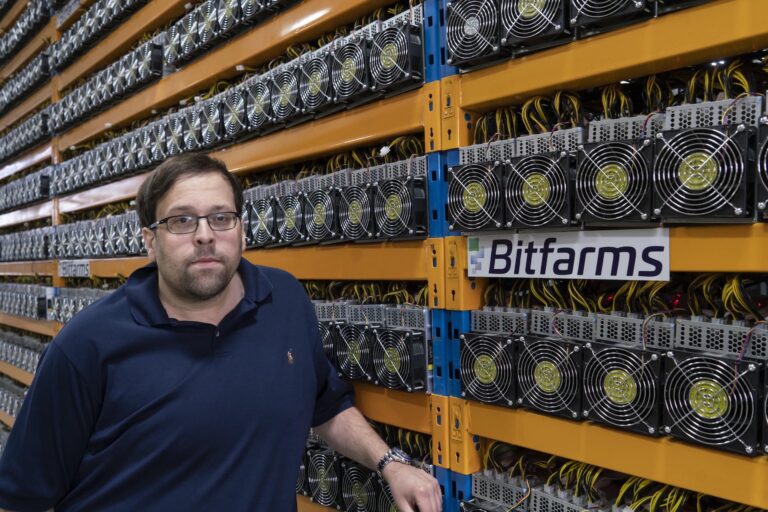
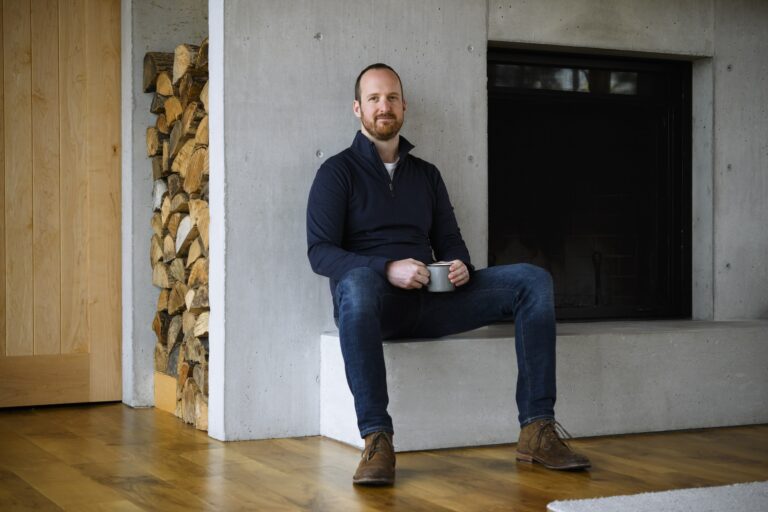
The world can thank the pandemic for Liberty City. In April 2020, the Tadros brothers recorded a breathless techno ditty entitled “Ça va bien aller” (“It’s going to be OK”), after the optimistic catchphrase plastered on doors and windows in the early pandemic, usually with an accompanying rainbow. About two years later, by the time the duo released “Truckers for peace (fuck Trudeau)”, they had secured their place on a UNESCO-produced rogue’s gallery of Quebec conspiracy theorists.
Many on that list have since returned to crankish obscurity or turned their attention elsewhere. The Tadros brothers have kind of done both. Yes, they still riff on the evils of traditional media and mask mandates, but the bulk of their energy, and social media presence, is devoted to Liberty City. The name may be aspirational, but the brothers have big plans, with three more crypto houses under construction on the surrounding lots. They are looking for land in the area to develop another 30 to 40 houses. “We call it liberty. We want it to be a city,” Eric said.
Much of Liberty City’s website screams vapourware, right down to the janky spelling and $499 “digital world citizen” passport. It’s worth remembering, too, that when Le Journal de Montréal looked into the Tadros brothers’ first attempt at Liberty City in neighbouring municipalities in 2022, it found flood-prone land, a project engineer who wasn’t an actual engineer and a lack of permits of any kind. (They have permits this time around, Eric assured me.)
But here’s the thing. The crypto house in Ste-Julienne is bricks-and-mortar reality, and it works. Those mining rigs—Antminer S19 and S21 models, in case you’re wondering—sit facing the wall in two rows. The top six rigs have flexible ductwork attached to the Antminer’s exhaust. The heat feeds into the forced air system for the upstairs floors. The bottom six rigs are looped with tubing, which circulate the antifreeze glycol. From here, heat is carried to a radiant floor system embedded in the basement’s concrete slab. In the summer, the machines heat the pool and the sauna.
It’s risky to say anything is a world first, especially when it involves crypto and a pair of soft rock musicians who don’t always wear shirts in public. Nevertheless, the Liberty City concept is what made Draper, an early investor in Tesla and Baidu, among others, open his wallet for the twins. “I am thrilled with what the Tadros brothers have done, and their vision for the future of homes,” Draper told me via email. “I liked their spirit and their love for freedom. The bitcoin house was very clever.”
The owners of the house, Sabrina Villa and her husband, Jean-Philippe Ouellet, live upstairs with their two children, and Ouellet’s parents are in the basement suite. The couple have heated it with bitcoin byproduct since the day they moved in. Granted, they had yet to get an electricity bill, but during that time they’ve made $1,000 through mining. Neither Ouellet nor Villa are dedicated crypto heads. Rather, they bought the place because they needed an affordable two-generation home. “We fell in love with the house,” Villa told me. “The bitcoin is an added bonus.”
The Tadros brothers might well be conspiracy-addled chansonniers who ramble on about government overreach and the imminent collapse of the monetary system. And there are obvious pitfalls to the Liberty City model, not the least of which is another brusque dip in bitcoin’s value, which even some enthusiasts say is inevitable. It remains, though, that Canada’s housing crisis is both long-running and comparatively worse than any other G7 country. And with Liberty City, maybe the Tadros brothers have stumbled onto a partial solution.
“Bitcoin is a sign of hope and liberty,” Eric said, gesturing at the muddy fields of Liberty City. “These are social projects. If it goes bad enough for the economy and housing, people are going to look for solutions. And this is one solution that could be interesting.”



Loading...
Thanks for sharing!
You have shared 5 articles this month and reached the maximum amount of shares available.
CloseThis account has reached its share limit.
If you would like to purchase a sharing license please contact The Logic support at [email protected].
CloseGift the full article!
You have gifted 0 article(s) this month and have 5 remaining.
Recipients will be able to read the full text of the article after submitting their email address. They will not have access to other articles or subscriber benefits.
Photo: Roger LeMoyne for The Logic
Liberty City developers Eric and Daniel Tadros are twin brothers and longtime crypto bros who see bitcoin mining as a way to offset the cost of housing.
A road sign near Ste-Julienne, Que. At present, Liberty City is just one house, with three others under construction. The Tadros brothers want to purchase more land to build as many as 40 crypto properties.
Eric Tadros checks the house’s bitcoin rigs, which double as heating units for the 3,000-square-foot property.
Most Popular This Week




In-depth, agenda-setting reporting
Great journalism delivered straight to your inbox.
News
A tech firm born from post-Brexit trade chaos sets its sights on Canada
Briefing
Dozens of Canadian researchers join chorus of scientists calling for a global AI oversight
TC Energy strikes deal with Indigenous groups for ownership stake in Coastal GasLink pipeline
Canada’s Tailscale taps Google Moonshot alum to lead sovereign AI push
Best business newsletter in Canada
Get up to speed in minutes with insights and analysis on the most important stories of the day, every weekday.
Exclusive events
See the bigger picture with reporters and industry experts in subscriber-exclusive events.
Membership in The Logic Council
Membership provides access to our popular Slack channel, participation in subscriber surveys and invitations to exclusive events with our journalists and special guests.





