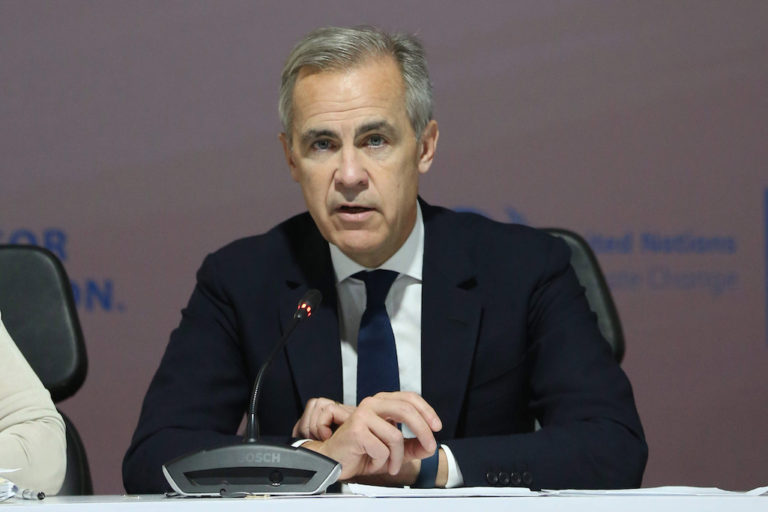
Leaders from 196 countries are convening in Montreal this week and next to try to reach an agreement on how to protect the planet’s species and their habitats over the next decade.
COP15 comes on the heels of its sister UN climate conference COP27 in Egypt last month, at which heads of state committed to efforts to reduce greenhouse-gas emissions and adapt to climate change. COP15 will zero in on more specific, nature-based solutions to the climate crisis, and how the private sector might help finance them. Here’s what you need to know:
What’s COP15? The 15th Conference of the Parties (COP) to the Convention on Biological Diversity is a two-week summit that happens about every two years. This year’s conference is more ambitious than most. It aims to create a Paris-style agreement on a framework—the first new one since 2010—to halt or reverse nature loss by 2030. The meeting was initially scheduled for 2020 in Kunming, China, but was postponed and moved to Montreal because of the COVID-19 pandemic and China’s zero-COVID policy. China officially remains a co-host of the Montreal summit with Canada.
The agenda: A draft framework on which nearly 200 countries will have to reach consensus includes more than 20 environmental targets. They include cutting pesticide use by at least two-thirds, eliminating plastic pollution, conserving at least 30 per cent of the Earth’s land and sea area and eliminating US$500 billion of environmentally-damaging government subsidies per year. As in Egypt, getting countries with vastly different interests to agree on binding climate targets won’t be easy. “There’s a framework ready to go,” said Kent Kaufield, head of ESG for EY Canada, “but there are key elements of it that the parties have not agreed to,” he said, pointing to the contentious landmass preservation target known as 30 by 30. “That will have to play itself out over the course of the 10 days.”
What it means for business in Canada: While the private sector doesn’t directly participate in negotiations at COP15, its stakeholders are participating in side events at the conference and will certainly play a role in achieving targets that get set there. Kaufield said there’s growing interest in figuring out how to divert capital into assets and activities that will preserve the planet. At the last biodiversity COP, “there wasn’t as much of an influence on how we’re going to fund these things,” he said. Creating a credible carbon-offset market that factors in environmental and species protection—not just emissions reductions—could help incentivize private companies and investors to protect biodiversity, he said.
While putting more protections on resources on which Canada’s economy relies—like forests and oceans—may seem like a burden for industries, Kaufield said the agreement ultimately could help improve the management of those resources. “What this conference is going to do is really double down on, how can we still use forests [for example] to benefit mankind, but at the same time, put more back than we take away?” he said. “That regenerative power is something that we can get good at.”