Listen Now
0:00
The First Nations Major Projects Coalition has raised $5.6 million from the BHP Foundation to help First Nations negotiate equity stakes in major resource projects.
The five-year commitment, announced Tuesday, will help the coalition equip First Nations with more expertise and resources to assess potential deals, secure independent advice and negotiate terms that reflect their economic interests. FNMPC is an Indigenous-led non-profit made up of elected councils, hereditary chiefs, Tribal Councils and development corporations.
Talking Points
- As the federal government pushes for compressed timelines on major projects, the two non-profits are hoping to help more First Nations handle negotiations for equity stakes
- The funding will help First Nations identify and create the best corporate structures for investment vehicles
Over the past decade, access to capital has improved for First Nations seeking equity stakes in projects, according to the coalition, which is working on at least 24 major projects, many of which include equity agreements.
But such deals often require First Nations to negotiate with well-resourced corporate giants. Some First Nations members have raised concerns that they won’t have enough time and resources to assess the impact of potential projects on their lands, as the federal government tries to implement Bill C-39, which would expedite reviews of certain resource extraction and infrastructure projects.
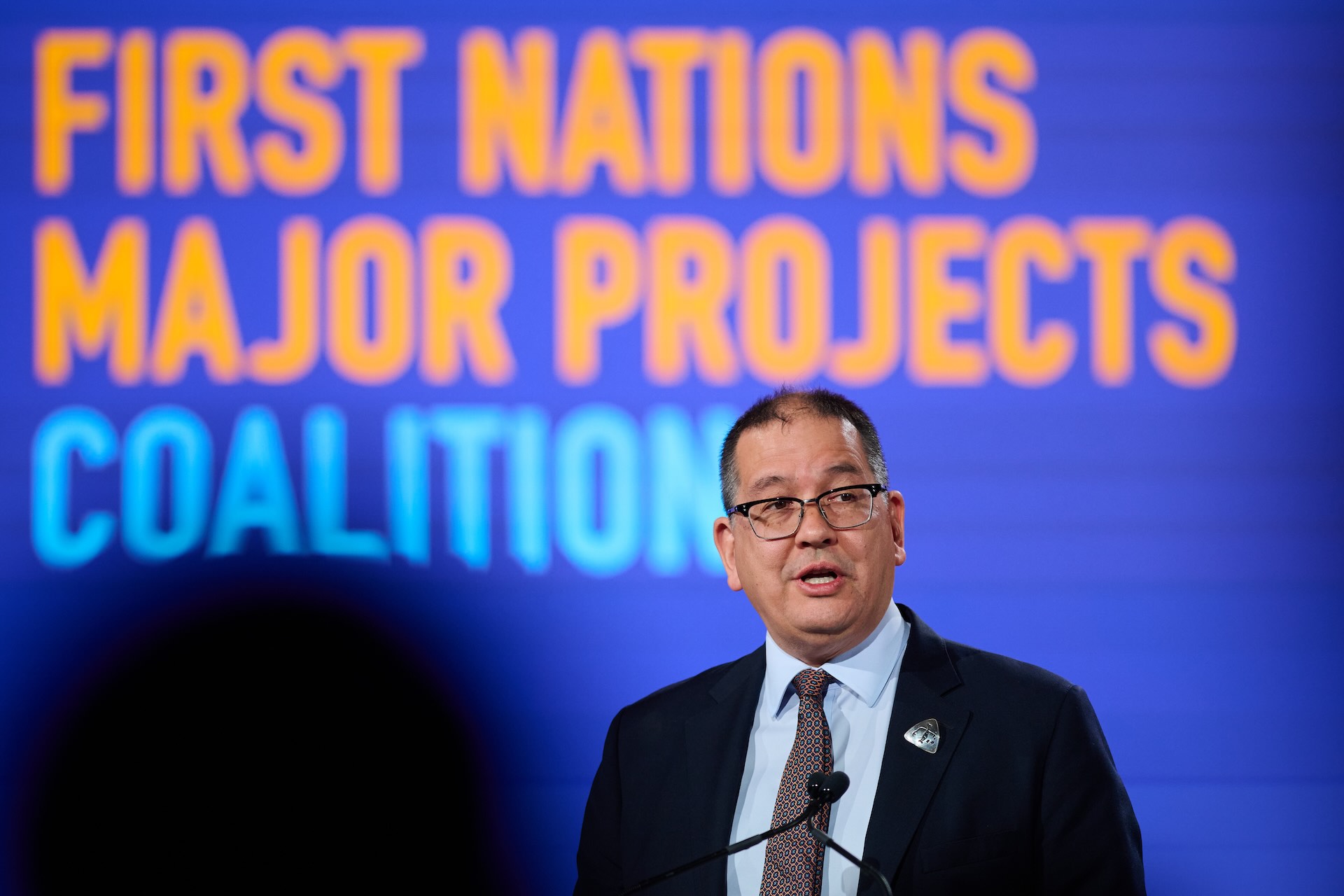
“Sometimes the companies have a different timescale than First Nations. They’ll expect decisions much more rapidly,” FNMPC CEO Mark Podlasly said in an interview.
Related Articles

The coalition plans to bring on staff to help First Nations navigate issues like assessing term sheets, while advising companies to start their consultation strategies much earlier, rather than nine or 10 months into a 12-month process, he said.
Because First Nations governance was not built around complex commercial transactions, there is now a “deal readiness gap,” where First Nations are brought into the process too late, after commercial and environmental decisions are nearly finalized, the non-profits said in a press release announcing the FNMPC funding.
As part of the new partnership, FNMPC wants to help First Nations create development corporations, limited partnerships or other structures. First Nations sometimes find themselves at a juncture where they must create a corporate entity to close an investment deal on a major project, but inadvertently choose a structure, like a non-profit, that makes the deal more complex, Podlasly said.
BHP, which is building one of the world’s largest potash mines in Saskatchewan, acknowledged in a 2022 policy statement that it hasn’t always gotten it “right” in its dealings with Indigenous Peoples. The foundation, which is funded by BHP but operates independently, counts supporting the self-determination of Indigenous Peoples as one of its main goals.
The grant is mid-sized for the foundation, which spent $75.6 million on grants and contributions in the 2024-2025 fiscal year, and between roughly $2 million and $12 million per project, with bigger grants split among several entities, according to Alyna Wyatt, the foundation’s country director for Canada. The organization tries to make larger, longer-term investments, rather than distribute money in smaller annual amounts, she said.
The money is not designed as a way to fund negotiations between First Nations and BHP, said Wyatt, who added that FNMPC may use the money for a range of projects in or outside of mining.
Podlasly said that the coalition felt confident signing onto the multi-year partnership after speaking with First Nations who had positive experiences working with BHP in Saskatchewan. The foundation’s willingness to let FNMPC lay out its own plan to align the missions of the two non-profits helped establish the partnership, he said.
As Canada prepares to increase its exports, the country needs to “get all the pieces lined up” to increase First Nations’ access to capital, Podlasly said.
“As there are more projects, there’s going to be more involvement in the First Nations,” he said.
Editor’s note: This story has been updated with details on how BHP Foundation operates.