Listen Now
0:00
The federal government has answered calls from Canada’s tech CEOs and investors with sweeping tax breaks meant to spur innovation and spending in Canadian firms.
The Liberals’ latest budget, tabled Thursday, introduced a tax exemption for entrepreneurs that covers up to $15 million of the gains they make when selling a business. It also proposed extending the rollover period to defer taxes for shareholders who reinvest proceeds from business sales into new Canadian small businesses.
The measures, announced under what the government is calling the Canada Growth Incentive, are designed to “help high-potential businesses attract investment and grow in Canada,” according to the budget.
Talking Points
- The federal government announced big tax breaks for entrepreneurs and investors, including tax exemptions of up to $15 million on the gains they make from selling a business, and longer deferral periods for reinvesting in Canadian companies
- The budget also included plans to merge the Business Development Bank of Canada and Export Development Canada into one Crown corporation
The government estimates the proposed tax breaks will cost it $715 million over the next five years.
Investors can already defer paying taxes on profits they earn from selling shares in one Canadian company if they reinvest the money in another by the end of the next calendar year. The proposed change extends that deferral period to up to five years in some circumstances.
The tax breaks effectively represent a Canadian version of the U.S.’s Qualified Small Business Stock program, which makes profits from the sale of eligible business shares exempt from federal capital gains after a required holding period. “Canada has no equivalent, and capital flows to where the after-tax returns justify the risk,” said Claudio Rojas, CEO of the National Angel Capital Organization (NACO).
Related Articles


The government framed the measures as a way to “level the playing field” with the U.S. market “by allowing builders to keep more of the benefits when a business succeeds.” It also expects the changes to “have positive impacts on employment and GDP at the national level, driven by increased investment in Canadian high-growth firms and increased economic activity by these firms.”
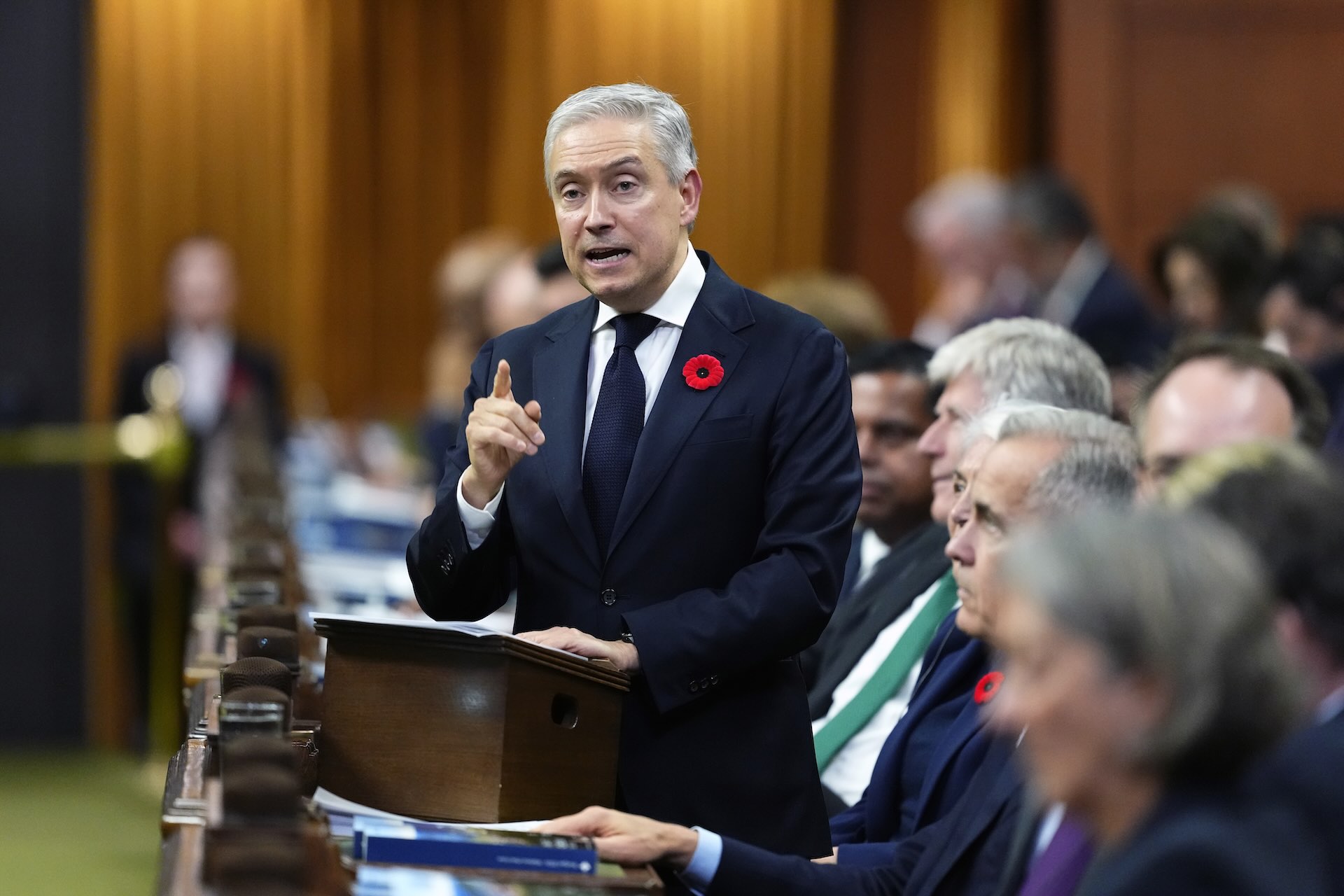
The tax changes address calls from more than 500 investors, entrepreneurs and CEOs who urged Finance Minister François-Philippe Champagne last month to give founders, investors and employees a bigger tax break when they sell shares in Canadian companies.
The Canadian Venture Capital and Private Equity Association (CVCA), NACO, and the Council of Canadian Innovators were among the groups leading the push. They argued that more generous U.S. tax treatment gives entrepreneurs and investors a reason to build and back companies there.
Companies eligible for the capital gains exemptions can have a maximum asset value of $100 million, or about US$71.4 million. That’s slightly less than the US$75 million limit under the equivalent U.S. scheme.
Ottawa previously proposed a narrower break for founders, the Canadian Entrepreneurs’ Incentive, which would have lowered the taxable share of up to $2 million in eligible lifetime gains. The initiative was meant to give entrepreneurs relief from a broader capital gains tax increase the government planned to introduce in 2024. Ottawa abandoned the tax hike—and the break for entrepreneurs—after intense backlash from business leaders.
CVCA chief executive Benjamin Bergen said last month that capital gains breaks for entrepreneurs would complement the government’s so-called Productivity Mega Deduction announced at the Canada Investment Summit in September. That scheme aims to attract more business investment to Canada by letting companies deduct the full cost of most new equipment and other business assets from their taxable income right away, rather than over several years.
Specific incentives for entrepreneurs, said Bergen, would encourage support for younger companies at a riskier stage, when they are still developing their products and establishing a market.
Thursday’s budget also proposed expanding its flagship R&D tax incentive, the Scientific Research and Experimental Development (SR&ED) program. As it stands, private companies can claim between 15 per cent and 35 per cent on refundable tax credit for R&D-related expenses worth up to $6 million—increased from $3 million in last year’s federal budget. Eligible expenses include things like researchers’ wages and materials used to do research.
Read more of our federal budget coverage



Ottawa wants to broaden the scope to cover more R&D activities, such as testing, technical validation and studies needed to meet regulatory requirements needed to commercialize inventions. It also wants the program to cover costs entrepreneurs pay to develop, register and protect intellectual property tied to SR&ED-related activities. The changes will cost an estimated $930 million over five years.
The changes fall short, however, of introducing what’s called a patent box, which would lower taxes on income from made-in-Canada IP, and which the Liberals had pledged during the 2025 election campaign to introduce.
Thursday’s budget included other big moves that will resonate across the innovation economy, including:
Crown consolidation: Ottawa plans to merge the Business Development Bank of Canada (BDC) and Export Development Canada (EDC) into one Crown corporation. The organizations serve many of the same companies at different stages of growth. BDC lends to, invests in and advises mainly small and medium-sized businesses. EDC helps Canadian companies sell and expand abroad through financing, loan guarantees and insurance that protects exporters if customers fail to pay.
Ottawa has been signalling changes to come at Crown corporations since last year’s budget. In April, it said it would review the mandates of all federal organizations that finance Canadian companies and projects to clarify their roles and avoid duplication. “The increasing number of financing Crown corporations can create confusion among clients about which best fits their needs,” the budget reads, “and limit opportunities to improve efficiency and better use taxpayer dollars to build a stronger economy.”
The government said a separate board of directors will oversee the BDC and EDC’s merger, while maintaining each organization’s products and services throughout the transition.
Sovereign compute: The government said it will help Canadian AI companies access 500 megawatts of “sovereign AI compute” through financing tools such as backstops and offtake agreements. It doesn’t attach a dollar amount to that pledge. Ottawa has already committed hundreds of millions of dollars to help AI firms pay for the processing power they buy from cloud service providers, including $700 million in new funding for the AI Compute Access Fund announced in its AI strategy unveiled in June.
The government has also promised to buy from major domestic AI firms. In Thursday’s budget, the Liberals said they plan to use more AI in government services, and flagged its existing business with Toronto-based AI developer Cohere, in which Ottawa plans to invest up to $1.6 billion. The budget earmarks about $1 billion over five years for a new Government Transformation Fund.
Bigger bets: The budget includes $1 billion for the Strategic Response Fund—formerly known as the Strategic Innovation Fund—to back large-scale R&D. It’s targeting projects “that can strengthen Canada’s long term competitiveness and growth.”
Patent reform: The government proposed amending the Patent Act to require IP owners to log when there have been changes in patent ownership. The move would give businesses and owners clearer information about who owns the IP they’re buying, which should cut due diligence costs and investment risk, the government said. It also plans to introduce new regulations to crack down on “abusive” patent infringement claims that try to squeeze “nuisance payments” from Canadian businesses.
Read all our Federal Budget 2026 coverage here.