Listen Now
0:00
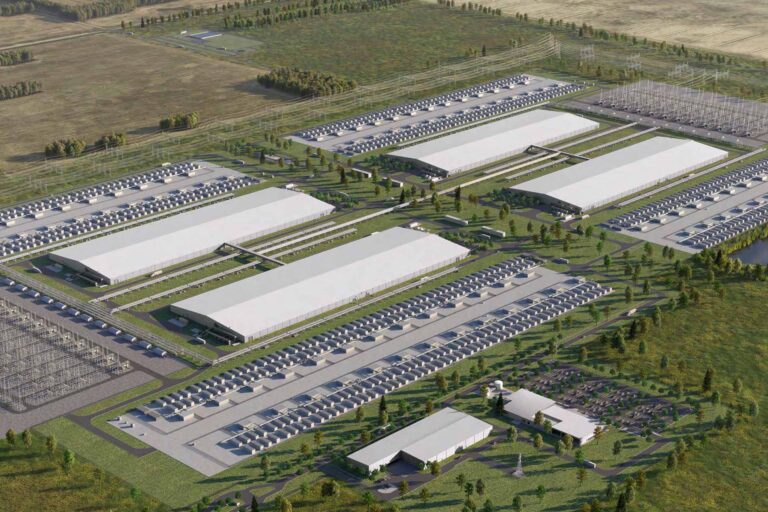
Canadian data-centre projects are facing financial uncertainty following the sudden resignation of Nvidia CEO Jensen Huang, according to lawyers who have been working on deals to finance such facilities.
Some clients doing data-centre deals were already having second thoughts before Huang’s departure, according to Jonathan Fleisher, a partner at law firm Cassels who advises on financing technology equipment. He attributes the hesitation to concerns that the data-centre market is overheated and private investment could become harder to secure. A change of leadership at Nvidia, he added, could hasten a looming data-centre slowdown.
Nvidia sits at the heart of the AI data-centre boom, supplying the graphics processing units (GPUs) needed to train and run AI models and often also serving as a main source of capital for the infrastructure that houses them. Its investments and financial guarantees help attract other lenders to the industry, meaning an Nvidia withdrawal could have implications well beyond the company and make it harder to finance new data centres and the equipment inside them.
Talking Points
- Nvidia’s leadership change puts a key source of financial backing for Canada’s AI infrastructure expansion in doubt, as the chip giant shifts to “disciplined and selective” financing
- A sudden scarcity of financing could make borrowing for data centres more expensive or harder to secure, particularly for smaller firms looking to cash in on demand for AI compute
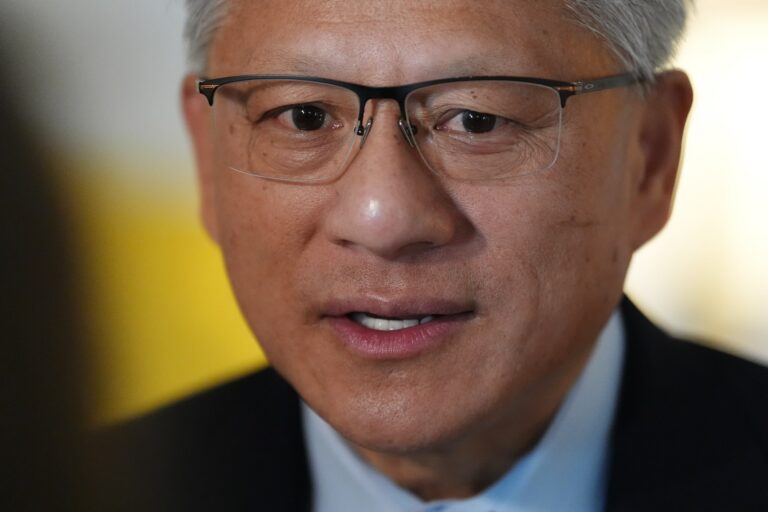
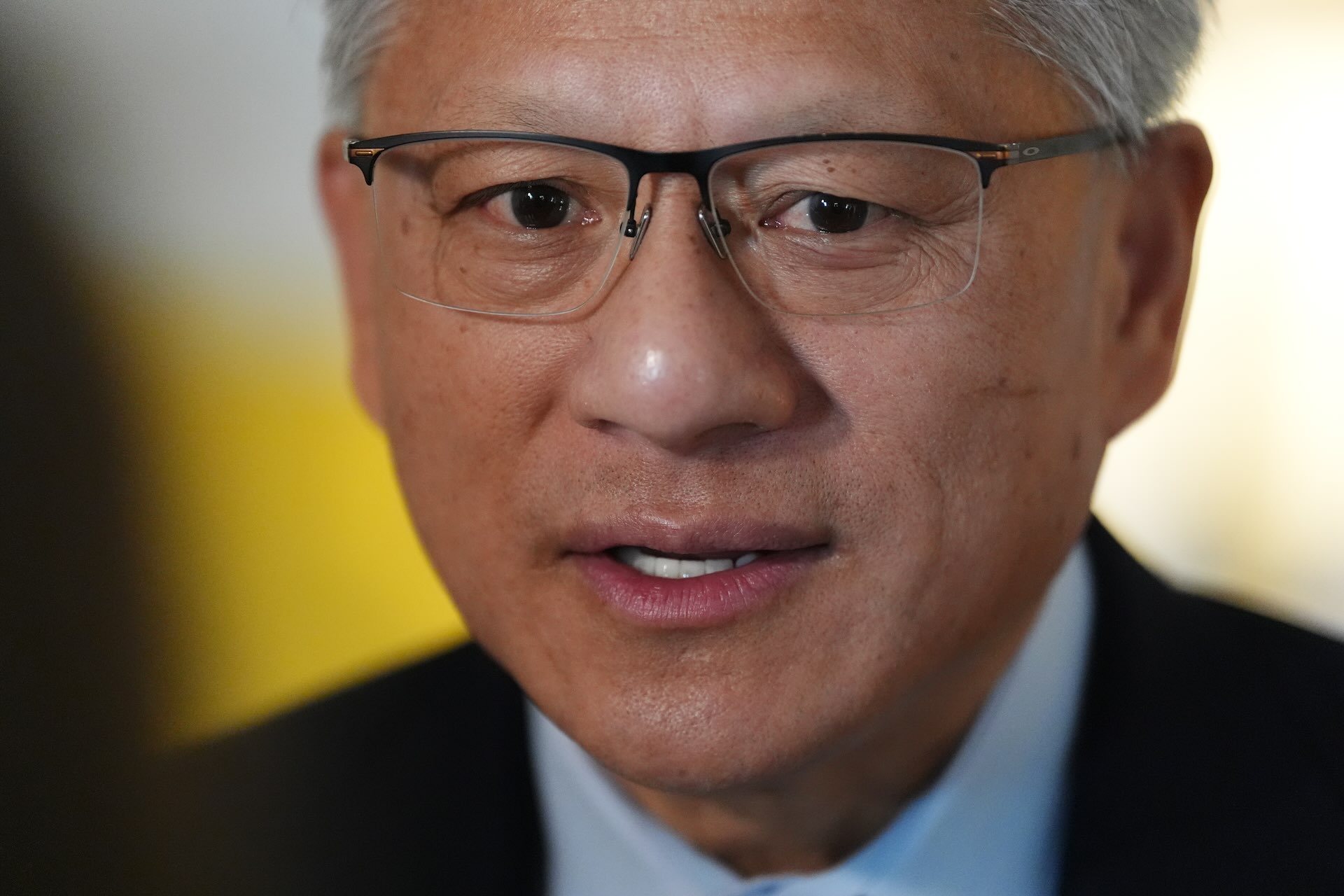
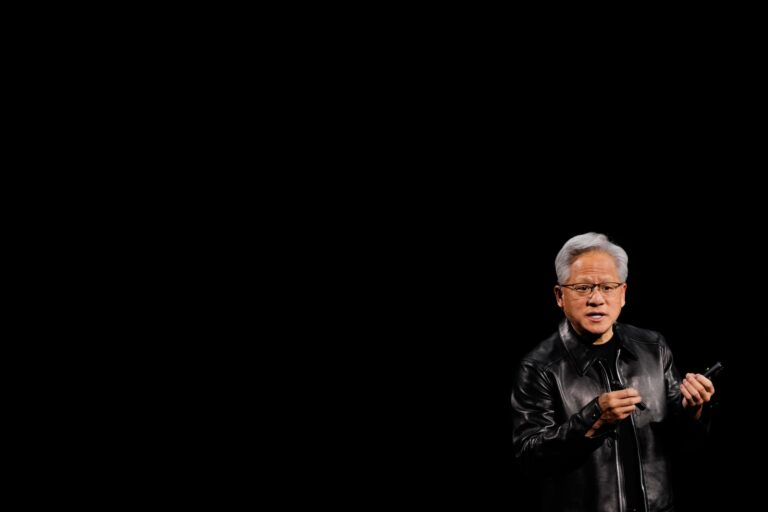
Huang resigned last Thursday after admitting to an affair with an alleged Chinese spy and following reports of a separate affair with an Nvidia executive. Following his resignation, it was reported that he had an affair with another Nvidia employee. His departure ended a 33-year tenure, during which he built Nvidia into the dominant AI chipmaker and championed its expansion into financing the companies buying its products.
Huang had positioned himself, and Nvidia, as the financial linchpin of the AI boom. He helped businesses expand through equity investments, debt financing, agreements to buy computing capacity, and guarantees to cover certain financial obligations if the customer can’t pay. Critics argue that the approach has made the industry too reliant on Huang’s backing. “When Uncle Jensen’s crazy credit card is holding that part of the industry up, that’s going to be a problem,” Cloudflare CEO Matthew Prince said recently.
Interim CEO Colette Kress, formerly the firm’s chief financial officer, has reportedly been critical of Nvidia’s approach under Huang, pushing back against some of her predecessor’s investments. On an earnings call after markets closed Tuesday, Kress said Nvidia would be “disciplined and selective” in its financing for the industry going forward.
Related Articles
Among Nvidia’s main customers are neoclouds, the companies that buy chips and rent their computing power to AI developers. Some neoclouds build their own data centres, while others lease space in facilities that other companies own. Both models require substantial spending on equipment before revenues start coming in. Nvidia’s commitments to those businesses help reassure banks and other lenders that cloud providers can pay their bills in a young industry where future revenues are still hard to predict. “Other lenders like to see the Nvidia guarantee,” said Jason Kroft, a lawyer who heads Gowling WLG’s Canadian structured finance and securitization practice.
Nvidia disclosed US$32 billion in commitments under its neocloud agreements at the end of its third quarter, which ended Oct. 25. “We earn revenue from the upfront sale of our infrastructure and participate in upside in rental revenue above a minimum commitment,” Kress said on the firm’s earnings call.
The company also reported US$118 billion in guarantees—promises to cover specified obligations if customers can’t pay—including up to US$105 billion to cover lease and power payments for OpenAI at an Ohio data-centre campus being developed by SoftBank subsidiary SB Energy.
Fleisher said the circular-style financing, in which Nvidia effectively finances purchases of its own chips, is “a dangerous model” for the data-centre buildout to rely on.
CoreWeave, one of the U.S.-based neoclouds active in Canada, has drawn scrutiny for its heavy borrowing and reliance on Nvidia financing. In January, the chipmaker agreed to buy US$2 billion in newly issued CoreWeave shares and, under a separate agreement initially valued at US$6.3 billion, committed to buying CoreWeave’s unsold compute capacity. That makes Nvidia a supplier, shareholder and potential buyer.
CoreWeave is operating a data centre in Cambridge, Ont., with Cohere as its anchor customer, giving the Toronto-based AI firm more infrastructure to train its models in Canada.
Australia-based Iren is another Nvidia-backed neocloud that’s expanding in Canada. The company is converting bitcoin-mining facilities in B.C. into AI data centres. It has also secured a US$3.4-billion computing contract with Nvidia for its Childress, Texas, facility, and an agreement that gives the chipmaker the option to buy up to US$2.1 billion in Iren shares.
Nvidia-backed Nebius is also planning to build in Canada. The neocloud, which received a US$2-billion investment from the chipmaker in March, has secured site rights for a planned 100-megawatt AI data-centre project in an undisclosed location in Alberta.
Nvidia is also a prominent investor in AI startups that use its chips, including Canadian firms Cohere, Waabi and Vention.
Kroft said he believes Nvidia’s financial involvement in Canada’s AI infrastructure expansion is significant, although he couldn’t quantify it. He said a shift in the company’s financing strategy would hit data-centre companies unevenly. Microsoft, for instance, can draw on revenue from other businesses and borrow relatively cheaply to fund its AI expansion, while less established neoclouds may need Nvidia’s backing to attract lenders. Without it, he said, financing could become harder or more expensive to secure.
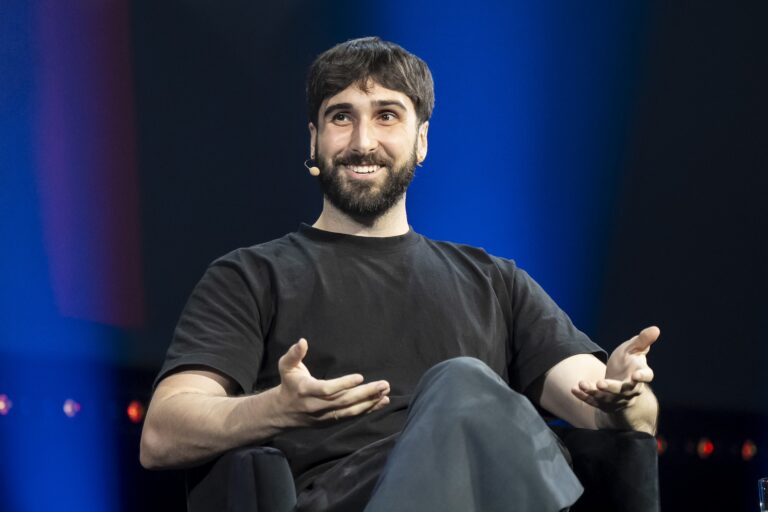
A financing slowdown could make processing power harder to secure for AI developers already struggling to find enough. Cohere CEO Aidan Gomez said last week that the company faces “a dearth of supply,” adding that “much more compute” was needed.
Fleisher has worked on financings for large Canadian data centres without Nvidia’s backing. He said investors in those projects want to see credible completion schedules, secured power supplies and contracts, such as leases, with paying customers already lined up. That’s evidence a project can generate enough money to sustain itself, he said.
While Kroft cautioned that it’s too early to conclude whether Nvidia will change strategy, he said the uncertainty caused by Huang’s departure shows how important it is for companies to diversify their financing. “Businesses develop new strategies, management changes their direction, shareholders have a vote, and all of these things mean you have to have a number of different options,” he said.
If the “Nvidia guarantee” does disappear, Kroft said, something will have to replace it to keep the AI buildout moving forward, whether that’s government backstops, which Ottawa has floated, or more risk-taking from other private financiers. “It’s an important piece of the growth of this space,” he said.