Listen Now
0:00
OTTAWA — The Liberal government is readying legislation to convince the U.S. it can block imports made with forced labour. It might go just far enough to stave off new tariffs, but critics warn it might also create more red tape—and fall short of a pledge to eliminate the scourge from supply chains.
“This is adding complexity to an already complex trade environment and for probably questionable benefit,” said Simon Gaudreault, chief economist at the Canadian Federation of Independent Business. Everyone agrees that forced labour should be eradicated, he said, but Canadian businesses are struggling to keep up with the changing policies of their largest export market. “We end up with the same access, but with more paperwork and more regulations.”
Talking Points
- The Liberal government is planning to introduce legislation to strengthen its ban on imports of goods made with forced labour after the U.S. threatened 10 per cent tariffs
- Human rights advocates argue Canada should craft effective policy—rather than rushing to appease the Trump administration
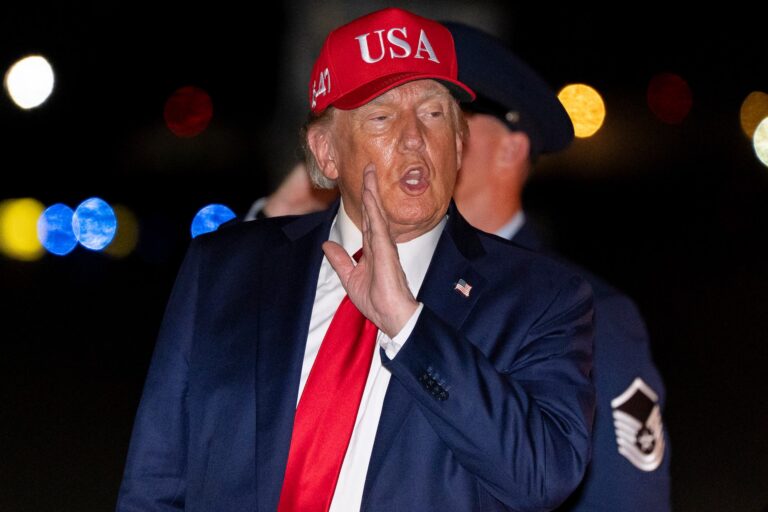
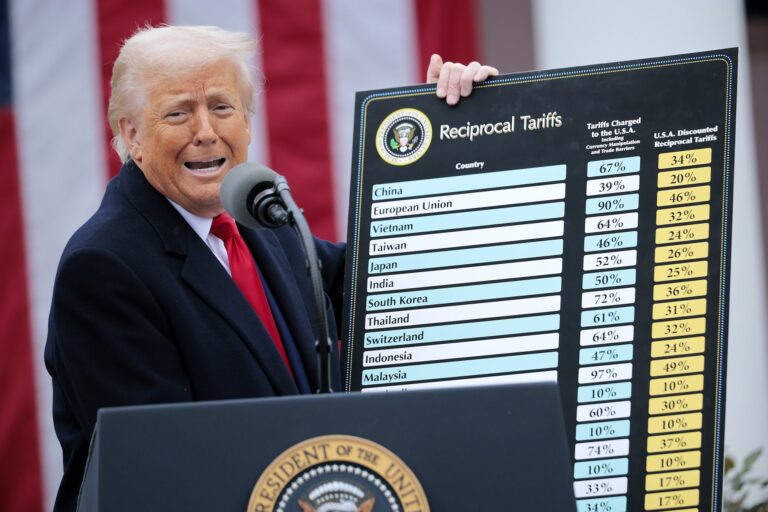
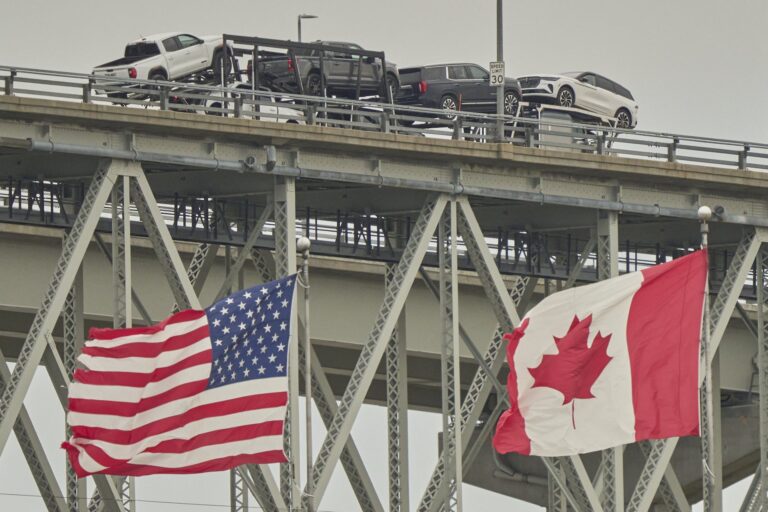
U.S. Trade Representative Jamieson Greer proposed sweeping tariffs on more than 60 countries after an investigation under Section 301 of the Trade Act of 1974 found they either do not prohibit imports made with forced labour or, in the case of Canada, have “failed to effectively enforce” a ban. Canada faces 10 per cent tariffs, but they would not apply to goods covered by the Canada-United States-Mexico Agreement (CUSMA) or those hit with Section 232 tariffs.
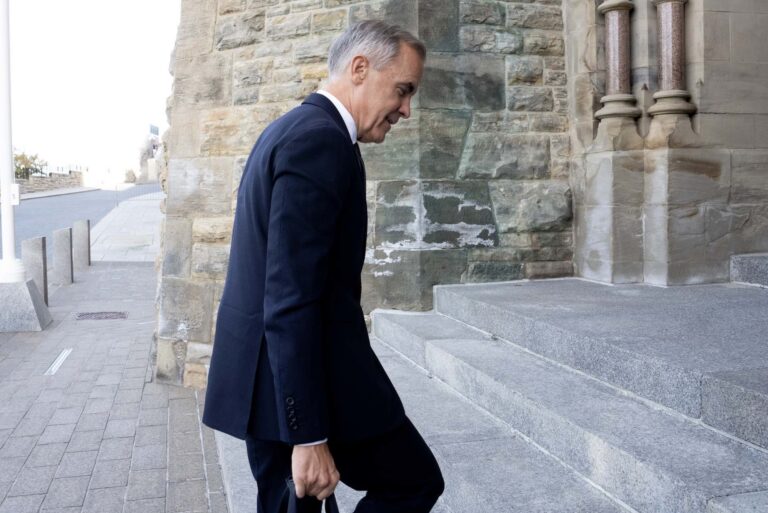
Prime Minister Mark Carney said the carve-out means that “for the vast, vast, vast majority of Canadian trade, it will not have an impact.” And Canada-U.S. Trade Minister Dominic LeBlanc spoke plainly about the motivation behind the new levies: the “baseline global tariffs” that President Donald Trump imposed to replace those struck down by the U.S. Supreme Court are about to expire.
Despite the minimal exposure for Canada, the threat lit a fire under the Liberals, who had stalled on their December 2024 pledge to make importers do more to show their supply chains are free of forced labour. Under Carney, now they are poised to rush in similar changes, but without much time to consider whether it will actually achieve their goals. Foreign Affairs Minister Anita Anand is set to introduce a bill in the House of Commons on “the prohibition of the importation of goods produced by forced labour” as early as Friday.
The Trump administration could still deem it not enough. Steve Verheul, Canada’s former chief trade negotiator, warned the Senate foreign affairs committee last month that the forced labour probe was the one to “worry about.” Since it is tough for Canadian border agents to prove the existence of forced labour at any step of a supply chain, it is tough to enforce a law against it. “With all of that ambiguity,” he said, “the U.S. is going to have a lot of flexibility to find ways to say that we’re not in the right place and impose tariffs.”
Related Articles
Canada banned imports of goods made with forced labour in 2020 through CUSMA, also known as the USMCA. In 2024, Canada expanded it with the Fighting Against Forced Labour and Child Labour in Supply Chains Act, which requires firms to report on supply-chain risks.
Since 2020, the Canada Border Services Agency has “intercepted and detained 50 shipments due to concerns over potential forced labour,” spokesperson Karine Martel said in an email. It barred one in 2024 and one in 2025—both from China. The others were either let in after the agency reviewed more information, abandoned by the importer or left Canada before the agency reached a formal decision, Martel wrote.
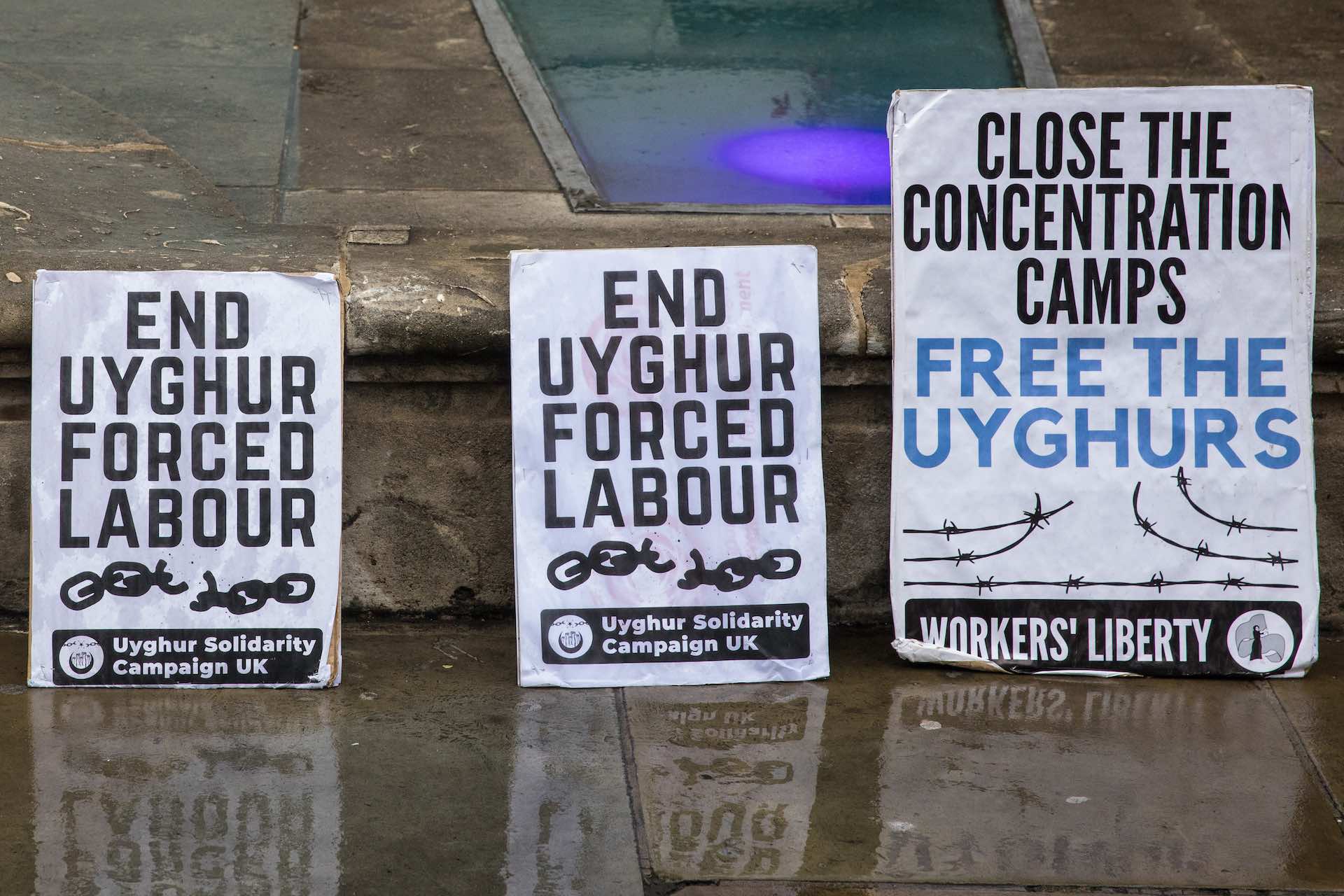
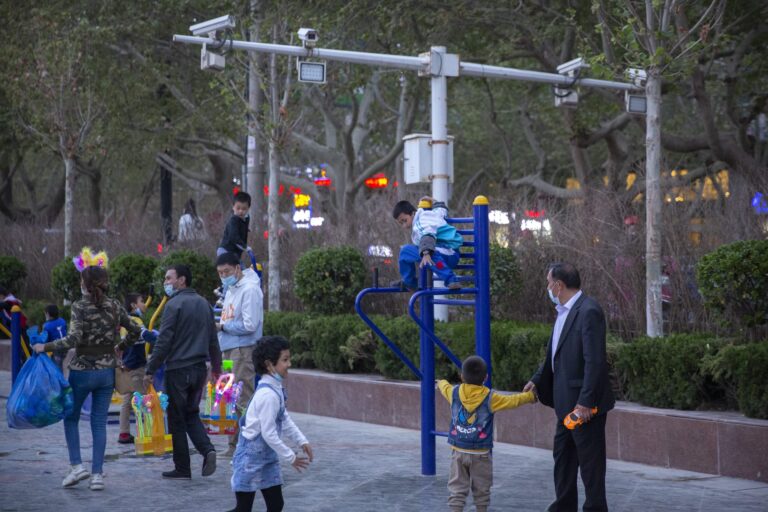
Those numbers are part of why the U.S. concluded Canada is not doing enough. In contrast, Greer’s report on the Section 301 probe noted that U.S. Customs and Border Protection denied entry to nearly 6,400 shipments in 2024 through enforcement of the Uyghur Forced Labor Prevention Act. The U.S. law targets imports from the Xinjiang Uyghur Autonomous Region of China, where Beijing has been accused of detaining members of the Uyghur ethnic minority in forced labour camps.
Other justifications are more slippery. For example, Greer’s report referenced allegations in a 2021 analysis by Above Ground, a human rights and corporate accountability project run by Canadian charity MakeWay, that forced labour is rampant in countries where Canada sources a large share of certain goods. That included coffee from Brazil and cocoa from Ghana and Côte d’Ivoire.
“When it comes down to it, they’re concerned about forced labour to the point that it increases the price of a cup of coffee in the United States.”
Coffee and cocoa beans, however, would be exempt from the new Section 301 tariffs—in all the countries the U.S. is targeting. “It exposes the hypocrisy in this whole exercise,” said Stuart Trew, a senior trade and investment researcher with the Canadian Centre for Policy Alternatives. “When it comes down to it, they’re willing to be concerned about forced labour to the point that it increases the price of a cup of coffee in the United States.”
In a written submission to the Section 301 investigation, however, Above Ground had warned against using tariffs to get action on forced labour. “We are concerned that rushed action—taken to appease concerns of the U.S. administration rather than address shortcomings in the current Canadian framework—may prove neither thorough nor sustainable,” the organization wrote. Greer did not reference that in his report.
Georgina Alonso, a senior research and advocacy officer at Above Ground, challenged the Trump administration’s claim to the moral high ground. Last December, Democratic members of Congress sounded the alarm over a “precipitous drop” in enforcement of the U.S. legislation. Alonso said the U.S. and Canada should be working with other countries to “meaningfully address” the issue instead of “being driven by protectionism or to appease powerful trading partners.” Otherwise, she said, they are not giving workers what they need and “may in fact be breeding cynicism about what can be done on forced labour.”
Trew, meanwhile, said the threat of Section 301 tariffs could be a way for the U.S. to push for harmonized border enforcement across North America—especially when it comes to China. “[Greer] needs to corral Canada and Mexico in this direction however they can,” he said. “Creating the impression that we are forced labour laggards helps them do that.”
Last October, the Bloc Québécois introduced a private member’s bill based on the principle of “rebuttable presumption.” This would put the onus on importers to prove that goods from designated entities or geographic areas were not produced with forced labour. Bill C-251 has not been scheduled for debate, but it could be a ready-made solution for the Liberals.
That same principle is at play in the U.S. law targeting state-sponsored forced labour in Xinjiang. It is also what the Liberal government suggested in the 2024 Fall Economic Statement would be part of legislation it then promised was on the way. Mehmet Tohti, executive director of the Uyghur Rights Advocacy Project, said that approach is the only way for the government to show it is serious. “Otherwise, it is just lip service.” He wishes it had come earlier. “It is sad to see that we are doing something under pressure coming from the United States.”
After Canada brought in its transparency legislation in 2024, the Canadian Manufacturers & Exporters said businesses supported the goal but struggled with the “complex new reporting obligations.” Now, CEO Dennis Darby told The Logic his organization is urging the federal government to find out what the U.S. wants—and give it to them. “Let’s just do whatever we need to do in order to take some more objections off the table.”