As the Houthis continue attacking ships in the Red Sea, Canadian retailers are starting to feel the pinch of longer routes and higher costs—just after surviving the supply-chain snarls of the pandemic.
Skip to content
 A cargo ship in the Suez Canal in December 2023. Traffic on the route has plunged due to Houthi attacks on vessels in the Red Sea. Photo: Fareed Kotb/Anadolu via Getty Images

News
Canadian firms keep even keel amid disruptions from Red Sea attacks
Pressure mounting for some to address shipping delays and rising costs in earnings guidance
A cargo ship in the Suez Canal in December 2023. Traffic on the route has plunged due to Houthi attacks on vessels in the Red Sea. Photo: Fareed Kotb/Anadolu via Getty Images
As the Houthis continue attacking ships in the Red Sea, Canadian retailers are starting to feel the pinch of longer routes and higher costs—just after surviving the supply-chain snarls of the pandemic.
What’s happening: The Iran-backed, Yemen-based armed group known as the Houthis has launched more than 30 attacks on ships in the Red Sea since mid-November in what it said is a protest against Israel’s counteroffensive in Gaza. The U.S. and U.K.—with the support of Canada and other countries—have responded with military action.
A critical waterway: The Red Sea is the 1,930-kilometre body of water between the Suez Canal and the Arabian Sea that effectively links Europe to Asia. Typically, about 12 to 15 per cent of global trade passes through it.
With the ongoing threat, though, major shipping companies have rerouted, adding days to their journeys. Last month, data showed nearly two-thirds of ships coming into the Port of Halifax were running late. Freight traffic in the Red Sea is 80 per cent lower than normal, and rates for a standard container on alternate routes have soared.
Related Articles

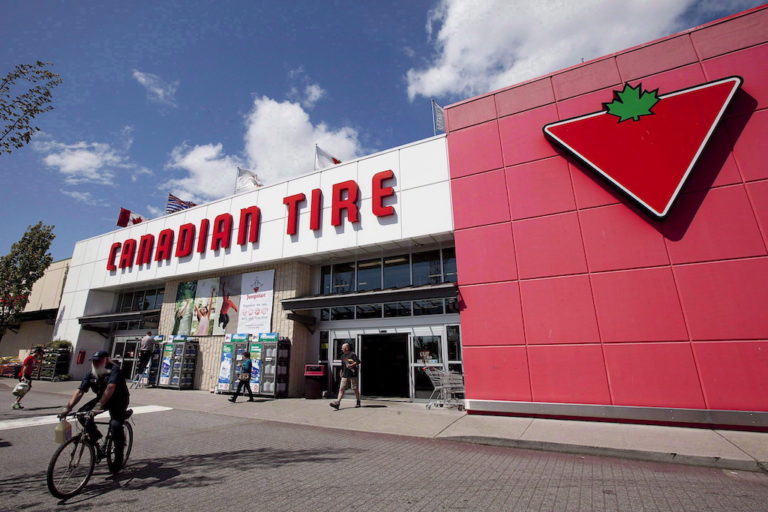
Businesses at risk: European and North American retailers could see inventory levels suffer, Morningstar DBRS analysts said in a note, calling the situation “modestly negative.”
Companies selling appliances, bulk furniture, mass-market apparel and general merchandise are most at risk, they said, because they tend to rely on Asian manufacturing. Two such retailers that do business in Canada—Swedish furniture-seller Ikea and U.K.-based clothing company Next—warned about supply issues early on.
The Canadian fallout: If the conflict continues, BMO Capital Markets analyst Simeon Siegel said in a note, retailers will need to address the impacts in their full-year guidance. That includes Vancouver-based athleisure company Lululemon, which he said counts among companies with “the largest exposure” to manufacturing and sourcing in Southeast Asia.
Lululemon did not respond to a request for comment.
Canada’s retailers are now seeing higher prices for container shipments, said Retail Council of Canada national spokeswoman Michelle Wasylyshen. Those hikes remain below highs experienced during the pandemic and Russia’s invasion of Ukraine, she noted, “but it is starting to creep up.”
What’s next: Most Canadian retailers have yet to comment on the conflict’s impact as it began very late in, or after, their most recent reporting periods.
Dollarama has not experienced any significant issues because most of its imported goods move through a different shipping route, said spokesperson Lyla Radmanovich, but it will “continue to monitor the situation.”
Still, many of these firms are bound to face questions in their next earnings calls, as e-commerce giant Amazon did at the start of February.
CFO Brian Olsavsky assured analysts the company is “mindful of the geopolitical issues around the world, especially … in the supply chain and how that might impact shipments both to the U.S. and Europe.” Amazon is working hard to mitigate fallout for consumers, he said, and the situation is “not a material impact” for its first-quarter guidance.



Loading...
Thanks for sharing!
You have shared 5 articles this month and reached the maximum amount of shares available.
CloseThis account has reached its share limit.
If you would like to purchase a sharing license please contact The Logic support at [email protected].
CloseGift the full article!
You have gifted 0 article(s) this month and have 5 remaining.
Recipients will be able to read the full text of the article after submitting their email address. They will not have access to other articles or subscriber benefits.
Photo: Fareed Kotb/Anadolu via Getty Images
Most Popular This Week




In-depth, agenda-setting reporting
Great journalism delivered straight to your inbox.
News
Brookfield’s new CEO flexes the firm’s soft power with its $50B Canadian bet
Briefing
AI is pushing insurers to become asset managers, Canadian CEOs say
Trump administration faces lawsuit over 50% tariffs on Canadian goods
Canada-U.S. trade war to reduce real GDP by 1.4% over 2024 levels after five years: PBO
Best business newsletter in Canada
Get up to speed in minutes with insights and analysis on the most important stories of the day, every weekday.
Exclusive events
See the bigger picture with reporters and industry experts in subscriber-exclusive events.
Membership in The Logic Council
Membership provides access to our popular Slack channel, participation in subscriber surveys and invitations to exclusive events with our journalists and special guests.





