Canada remains on the sidelines of a US$1-billion NATO venture capital fund aimed at backing next-generation defence technology, The Logic has confirmed, despite the federal government’s promise to join the effort one year ago.
Skip to content
News
Canada still outside US$1B NATO innovation fund—a year after committing to join
Failure to join key military tech effort comes as Canada struggles to shake image as defence spending laggard
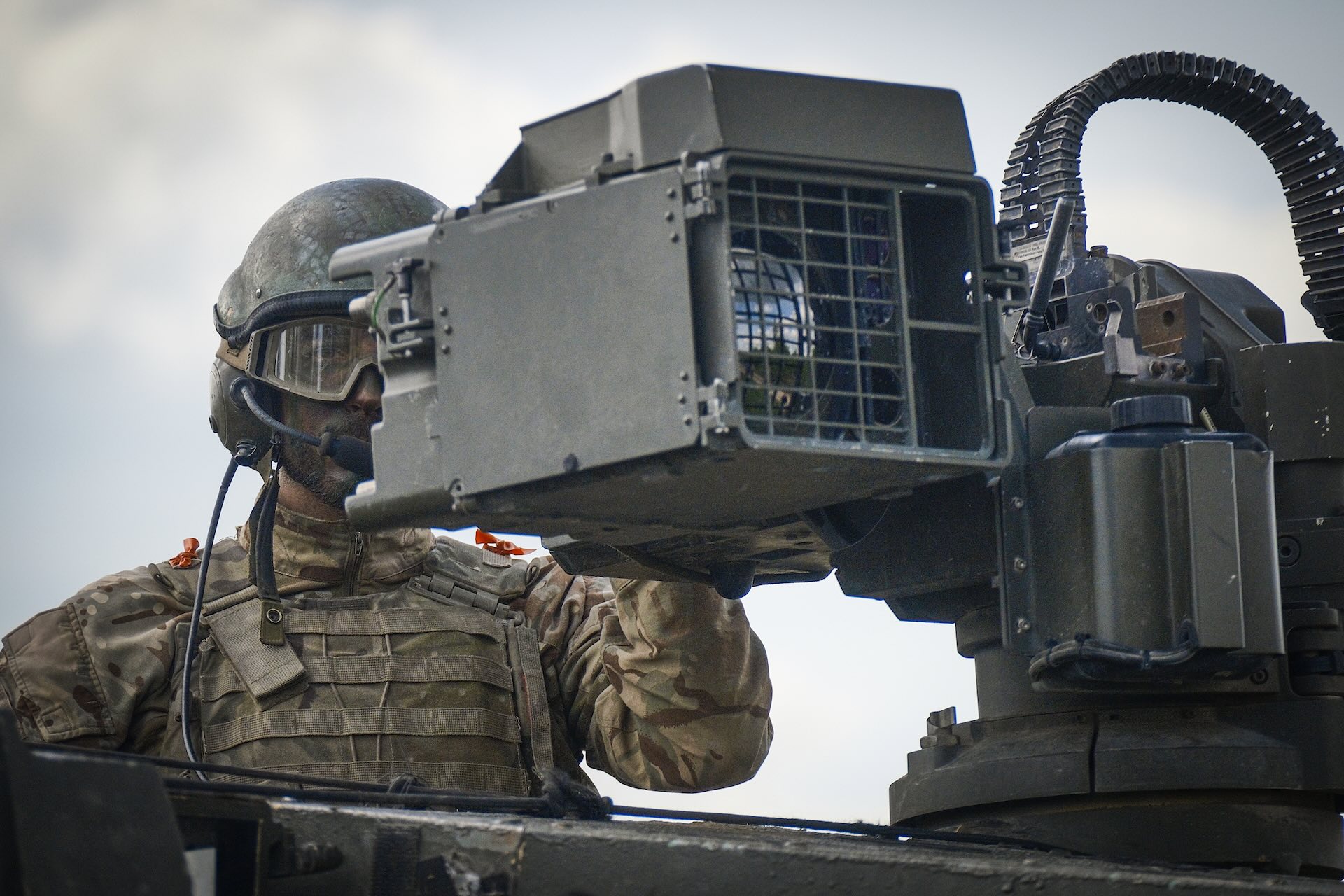
A soldier on a British tank during NATO exercises in Estonia; the alliance's innovation fund helps develop defence-related technology. Photo: AP Photo/Hendrik Osula
Canada remains on the sidelines of a US$1-billion NATO venture capital fund aimed at backing next-generation defence technology, The Logic has confirmed, despite the federal government’s promise to join the effort one year ago.
Launched in 2022, the 24-member NATO Innovation Fund (NIF) invests in companies developing defence-related technologies in areas like quantum computing, AI and hypersonic systems. The Liberal government under Justin Trudeau had said it would join the fund, and in April 2024 said it had allocated $107 million to NIF over 20 years as part of its “renewed vision for Canada’s defence.”
Talking Points
- The federal government said it intended to join the NATO Innovation Fund, a US$1 billion defence tech VC fund, as far back as 2023
- Canada is not currently a limited partner, The Logic has confirmed, despite promising to contribute $107 million to the fund over 20 years
- Its absence from NATO’s VC fund comes as Canada faces wider criticism for spending too little on defence
In response to The Logic’s questions, however, NIF spokesperson Amalia Kontesi confirmed that Canada is not currently a limited partner (LP).
“All NATO nations are welcome to join the fund if they choose to do so,” she said.
Canada’s absence from the NATO fund comes as the country faces wider criticism—including from some NATO partners like the U.S.—that it is badly lagging on its defence spending targets at a time when the threat of geopolitical strife is high.
The Department of National Defence did not answer The Logic’s questions on the matter by deadline. After this story was published, spokesperson Kened Sadiku sent an email saying the government still plans to join the fund, and to fulfil its $107-million commitment. The email did not provide a revised timeline for the expenditure.
Related Articles
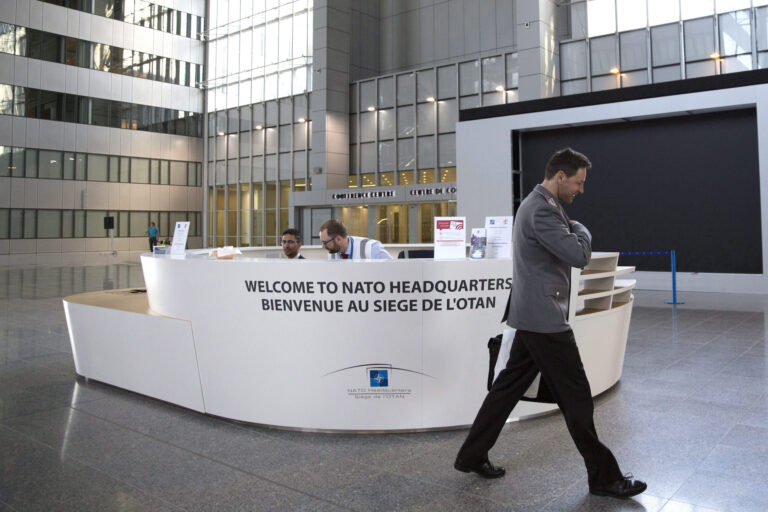

NIF’s 24 members include Belgium, Germany, the Netherlands and the U.K., as well as smaller eastern nations like Estonia, Romania, Poland and Slovakia. The U.S. is not a member of the fund, but invests heavily in defence tech through internal bodies like the Defense Advanced Research Projects Agency, known as DARPA.
Compared to the $34.6 billion Canada is expected to spend on national defence this year, the $107 million for the innovation fund is a relatively small outlay.
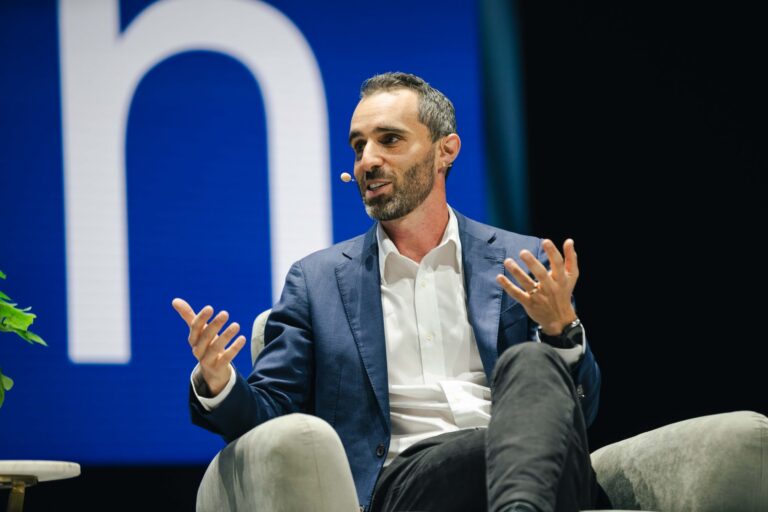
Canada’s absence from the fund represents a missed opportunity to use private capital to accelerate the development of defence technology, said Glenn Cowan, founder of Ottawa-based One9, a defence tech venture capital firm.
Not joining is a “really dumb decision,” he said, given the ample returns achievable in the private defence and research space.
“It’s an incredible opportunity to build great companies, build great capabilities, create a startup ecosystem here in Canada, [and] make a lot of money for your investors,” Cowan said.
Given that the NIF invests only in companies based in participating countries, Cowan said, Canada’s decision not to join also restricts domestic defence tech companies from accessing a major potential supplier of venture capital.
Ventus Respiratory Technologies, a One9 portfolio company that has developed heavy-duty breathing masks for military and first responders, sought funding from NATO but was rejected because Canada is not an LP, Cowan said.
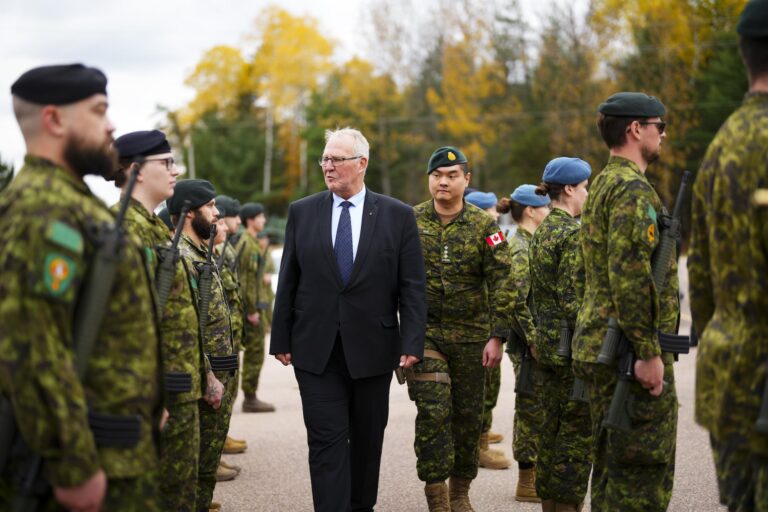
While Canada has long failed to meet its NATO spending target of two per cent of GDP, the federal government started ramping up spending last year, and has since promised to meet the threshold by 2032. In January, Minister Bill Blair said reaching that target by 2027, five years early, is “absolutely achievable.”
Foreign Affairs Minister Mélanie Joly last week suggested Canada was considering joining a new €150-billion ($236-billion) European Union defence spending fund, telling Bloomberg Television that Canada is “looking to the EU” for partners.
Cowan said those improvements are necessary in maintaining Canada’s defence capabilities and relationships with allies, but said the changes come years too late. “We’re slowly waking up, [but] we’re about 10 years behind our allies,” he said.
A major impediment to ramping up defence spending is the country’s glacial defence procurement system, he added.
In June of 2024, Canada finalized its procurement of three Beechcraft King Air 350ER airplanes, used to conduct intelligence and reconnaissance missions, after a drawn-out purchasing process that started in 2013. Canadian forces needed such pilot-operated aircraft, Cowan said, as far back as the war in Afghanistan in the mid-2000s.
In the meantime, all of Canada’s allies have already begun moving toward autonomous, or unpiloted, surveillance aircraft, he said.
Editor’s note: This story was updated to include comment that the Department of National Defence provided after publication.



Loading...
Thanks for sharing!
You have shared 5 articles this month and reached the maximum amount of shares available.
CloseThis account has reached its share limit.
If you would like to purchase a sharing license please contact The Logic support at [email protected].
CloseGift the full article!
You have gifted 0 article(s) this month and have 5 remaining.
Recipients will be able to read the full text of the article after submitting their email address. They will not have access to other articles or subscriber benefits.
Photo: AP Photo/Hendrik Osula
Most Popular This Week




In-depth, agenda-setting reporting
Great journalism delivered straight to your inbox.
News
Ottawa is softening its ban on stablecoin yield
Briefing
Rio Tinto gets nearly $165M in additional federal funds for Quebec aluminum
U.S. to lift tariffs on some Canadian products crucial to Maine: Collins
Carney warns of tech dependence after Starlink disruptions in Ukraine
Best business newsletter in Canada
Get up to speed in minutes with insights and analysis on the most important stories of the day, every weekday.
Exclusive events
See the bigger picture with reporters and industry experts in subscriber-exclusive events.
Membership in The Logic Council
Membership provides access to our popular Slack channel, participation in subscriber surveys and invitations to exclusive events with our journalists and special guests.






