Canada’s fledgling MDMA businesses brace for FDA ruling
There’s something Nick Kadysh wants to make clear when we meet for an interview at a Tibetan restaurant in east-end Toronto: medical MDMA is deeply misunderstood, he says between bites of spicy momos.
The CEO and founder of drug discovery and manufacturing firm PharmAla is not talking about the drug’s therapeutic potential—of which he is convinced. Rather, he’s referring to the mighty headwinds businesses like his face as they try to persuade regulators to approve the drug as a medicine.
News
Canada’s fledgling MDMA businesses brace for FDA ruling
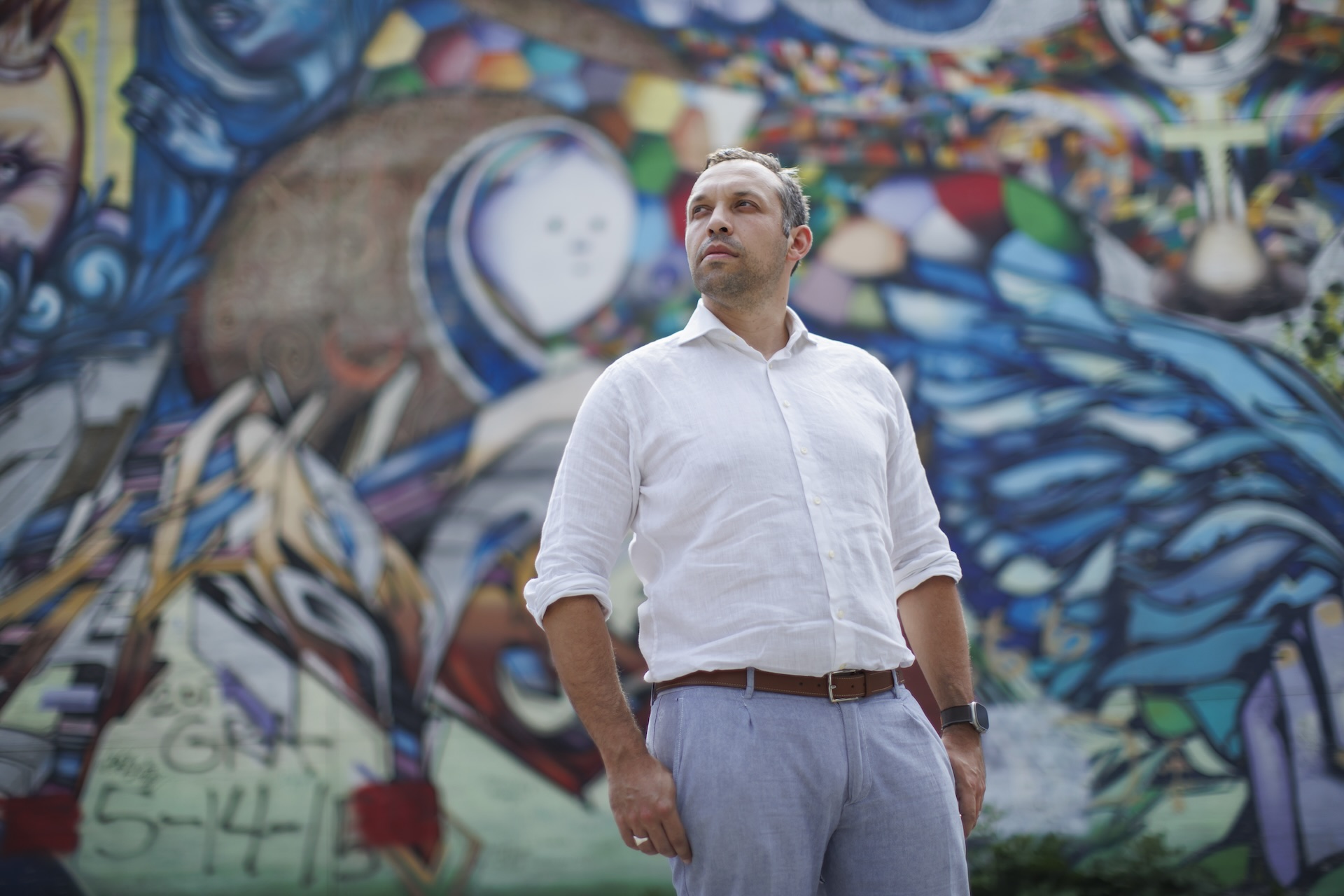
Nick Kadysh, PharmAla CEO: ‘There’s a disconnect between how people view these drugs versus the reality of the marketplace.’ Photo: Cole Burston for The Logic
There’s something Nick Kadysh wants to make clear when we meet for an interview at a Tibetan restaurant in east-end Toronto: medical MDMA is deeply misunderstood, he says between bites of spicy momos.
The CEO and founder of drug discovery and manufacturing firm PharmAla is not talking about the drug’s therapeutic potential—of which he is convinced. Rather, he’s referring to the mighty headwinds businesses like his face as they try to persuade regulators to approve the drug as a medicine.
Talking Points
Canadian companies have taken a lead in the emerging medical MDMA business globally
Executives in the space want Health Canada to regulate the party drug as a medication for post-traumatic stress disorder as evidence emerges to support its use in hard-to-treat cases
Advisors to the U.S. Food and Drug Administration rejected an application for MDMA-assisted therapy in June, a potential set-back for the market in Canada
“You look around and psychedelics are everywhere in the universe right now,” said Kadysh when we met in late May. But, he added, “there’s a disconnect between how people view these drugs versus the reality of the marketplace.”
Doctors, entrepreneurs and the public at large have taken a new interest in psychedelics like MDMA, ketamine and psilocybin, as research emerges to suggest they can help treat mental health conditions.
In a 2023 clinical trial involving MDMA, the molecule PharmAla focuses on, 71 per cent of people who received the drug and psychotherapy to treat severe post-traumatic stress disorder no longer met criteria for PTSD by the end of the study, compared to 48 per cent of people who received psychotherapy alone. Earlier trials produced similarlypromising results. The outcomes have prompted regulators to consider reclassifying the illegal party drug (better known as ecstasy or molly) as a prescription medication taken under a therapist’s supervision.
That regulatory change looked imminent in the U.S. until last month, when an advisory committee to the Food and Drug Administration voted against MDMA-assisted PTSD therapy. The advisors flagged a raft of concerns with the application submitted by San José-based Lykos Therapeutics—from lack of data on the drug’s addictive potential to limitations in the structure of the clinical trial itself.
The FDA can still approve the drug in a decision scheduled for August 11. But the regulator typically sides with its advisors, making it unlikely that MDMA will clear the regulatory hurdle that Kadysh and other industry watchers had expected.
“It’s going to be more hassles for getting my patients MDMA,” said Leora Pinhas, a Toronto-based psychiatrist. Pinhas has been treating PTSD patients with the drug since last fall through Health Canada’s special access program (SAP), which lets doctors prescribe unregulated pharmaceuticals on a case-by-case basis. The process is onerous, said Pinhas. She has to apply every time she wants to treat a new patient with the drug, and source the medication herself.
Now with regulatory delays anticipated in the U.S., Pinhas expects setbacks in Canada, too, noting that Health Canada drug approvals tend to track closely with the FDA’s.
The regulatory hitch underscores just how precarious the fledgling medical MDMA market is. Whether or not the FDA approves the drug, Kadysh said, he wasn’t planning to move into the U.S. market anytime soon. But the decision could influence regulators in other markets he’s counting on to grow his business.
In Canada, PharmAla relies on SAP patients, including those that Pinhas treats, for much of its revenue. The company is the only one supplying MDMA through SAP. But with just 46 patients having used the program as of June 12, according to Health Canada, it’s not enough to sustain Kadysh’s business.
PharmAla also supplies MDMA to doctors in Australia, where the drug was rescheduled last year to let physicians prescribe it for PTSD treatment. The number of patients in that country is harder to gauge, said Kadysh, because he doesn’t know how many people each physician treats. But he said PharmAla has shipped 600 MDMA capsules to Australia so far, plus 400 grams to be encapsulated in the country.
Business is “choppy,” said Kadysh. The company—which trades on the Canadian Securities Exchange—made about $750,000 in the first quarter of 2024 and just over $90,000 the next quarter. “It’s hard to plan a business around that,” he said.
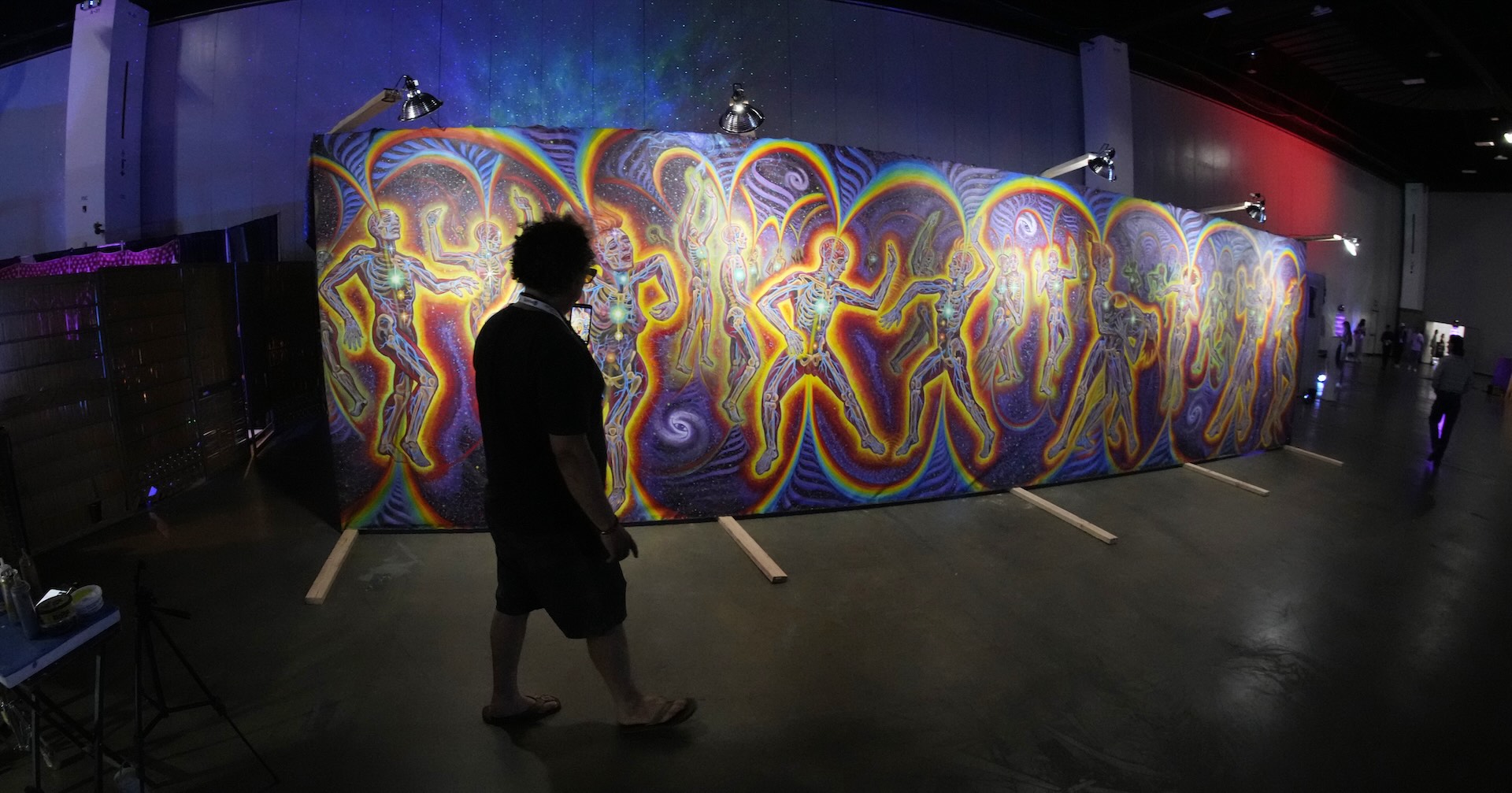
Psychiatrists at the June 2023 Psychedelic Science conference in Denver were hoping MDMA would soon get FDA approval to treat PTSD, after Australia cleared it for use. Photo: AP Photo/David Zalubowski
There are a few others forging ahead in the space, despite the uncertainty. Princeton, B.C.-based Optimi Health received Health Canada approval in June to manufacture and sell MDMA and psilocybin (also known as magic mushrooms) into regulated markets for specific medical uses, research and clinical trials. Optimi so far has an import permit to sell the drug in Australia, like PharmAla, and last month received permission from Health Canada to export it.
Dane Stevens, Optimi’s chief marketing officer and director, said the five-year-old company’s strategy also involves selling in the U.S. While an FDA delay would set those plans back, Stevens said the firm wasn’t expecting a quick launch in the market, anyway. “There’s going to be a lot of time to roll [it] out,” he said.
The U.S. market for medical MDMA is potentially massive, but the path to regulating treatment stateside makes it hard to count on, according to Kadysh and Stevens. Part of the challenge is that Lykos, the company leading the charge, is seeking FDA approval for a treatment that involves the drug used in combination with psychotherapy, which doesn’t typically fall under the FDA’s jurisdiction. The unusual protocol was a sticking point in the advisory committee’s decision to reject the treatment. “I think it’s hard for them to regulate something that’s associated with therapy,” said Pinhas, the Toronto-based psychiatrist.
The U.S. committee was also concerned about the design of the clinical trials underpinning Lykos’s application. The gold-standard of such trials is a double-blind study, in which neither the patients nor the researchers involved know which participants received a placebo and which received the real medication. While Lykos’s trials included a group that received a placebo, the psychedelic effects of MDMA were obvious to those receiving it. That, the committee argued, raised the risk of “placebo effect” —the expectation among those patients that treatment would work regardless of how effective the pharmaceutical truly was.
Health Canada spokesperson Charlaine Sleiman said the FDA’s decision on MDMA may factor into how this country regulates the drug, but it’s not the only consideration. “Health Canada,” she said, “makes independent decisions based on Canadian law, scientific evidence and the needs of Canadians.”
There’s a mountain of reasons why medical MDMA is risky business. On top of health and safety concerns and the practical challenges of delivering treatment, the drug—which is over 100 years old—cannot be patented, making it far less remunerative for generic manufacturers.
Still, startups like PharmAla and Optimi are moving forward on the belief that, regardless of what happens in the U.S. this summer, the market will eventually open up. Sleiman said Health Canada has approved 12 applications for MDMA clinical trials, including two ongoing trials focused on PTSD. And there are 60 companies now licensed to manufacture and export the drug, though just five have shipped any.
Kadysh welcomes the competition. In every market, he said, “there’s a Coke, there’s a Pepsi, there’s a Dr. Pepper. If we’re the only ones doing it, in the long run, I don’t think that’s good for anyone.”
Recipients will be able to read the full text of the article after submitting their email address. They will not have access to other articles or subscriber benefits.
Photo: Cole Burston for The Logic
Psychiatrists at the June 2023 Psychedelic Science conference in Denver were hoping MDMA would soon get FDA approval to treat PTSD, after Australia cleared it for use.
Great journalism delivered straight to your inbox.
News
Panel decries Canada’s chaotic way of funding world-class science
By
David Reevely
Briefing
AI is pushing insurers to become asset managers, Canadian CEOs say
By Anita Balakrishnan |
Trump administration faces lawsuit over 50% tariffs on Canadian goods
By Joanna Smith |
Canada-U.S. trade war to reduce real GDP by 1.4% over 2024 levels after five years: PBO
By Joanna Smith |
Best business newsletter in Canada
Get up to speed in minutes with insights and analysis on the most important stories of the day, every weekday.
Exclusive events
See the bigger picture with reporters and industry experts in subscriber-exclusive events.
Membership in The Logic Council
Membership provides access to our popular Slack channel, participation in subscriber surveys and invitations to exclusive events with our journalists and special guests.