Listen Now
0:00
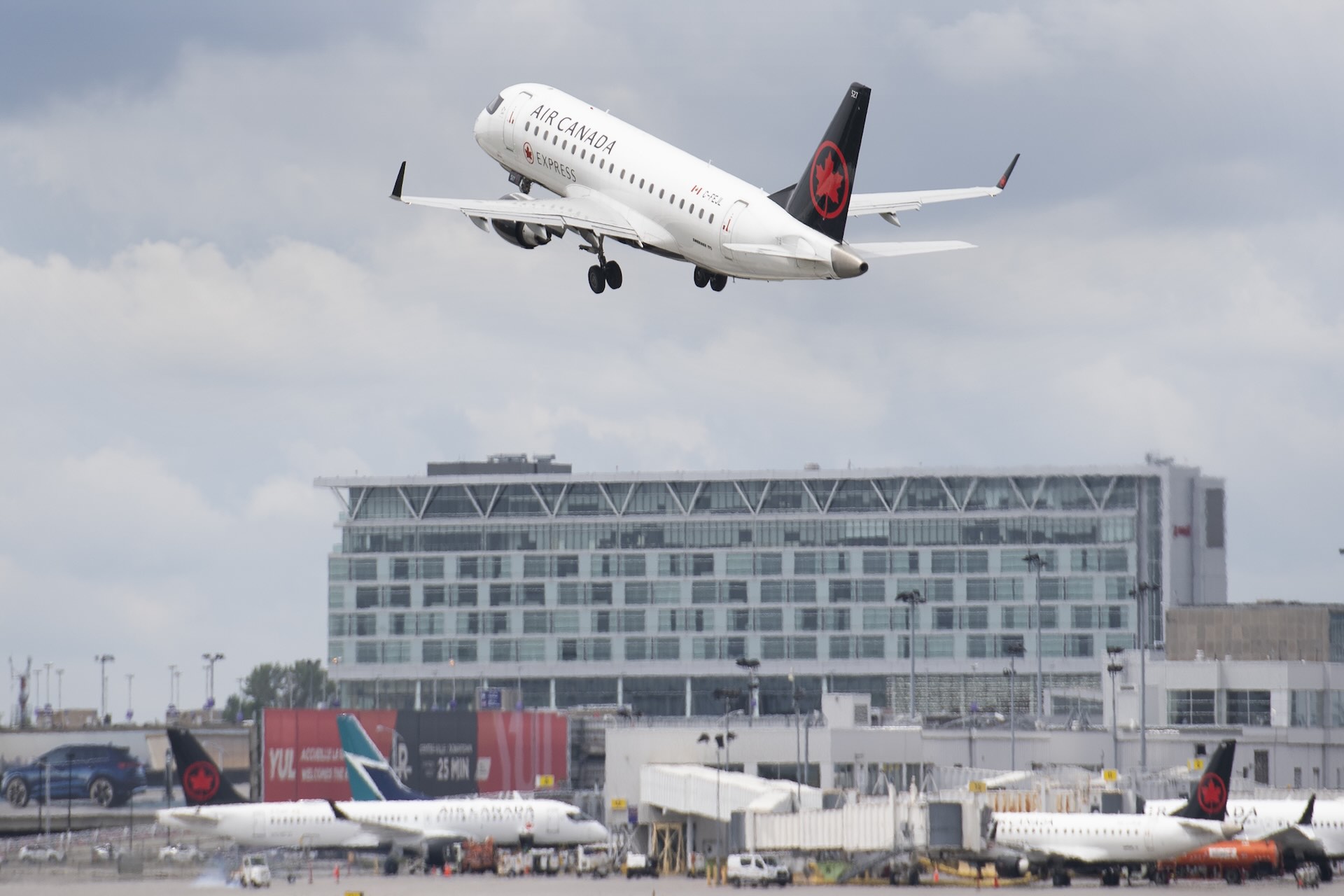
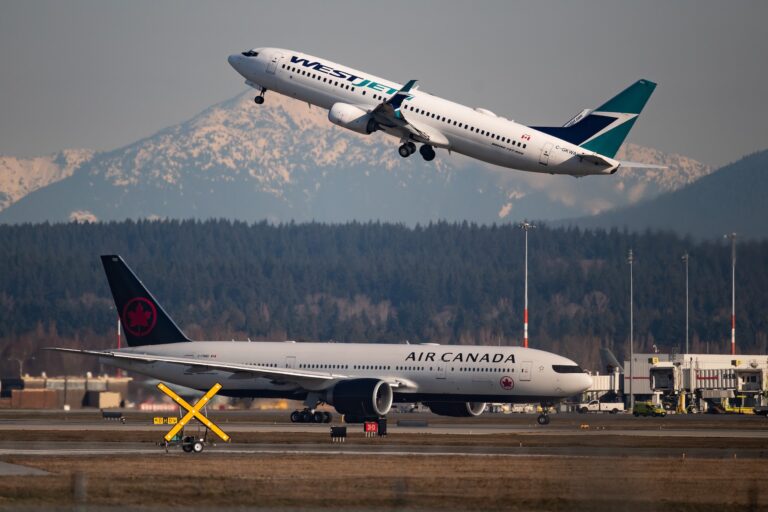
Canadian and foreign pension investors are signalling interest in Ottawa’s plan to bring private investment into the country’s four biggest airports, in deals that could reshape how they are run and how much airlines and passengers pay to use them.
The Canada Pension Plan Investment Board (CPP Investments), Public Sector Pension Investment Board (PSP Investments), British Columbia Investment Management Corp. (BCI) and Australia’s IFM Investors have each said they will consider taking stakes in Toronto Pearson, Montréal-Trudeau, Vancouver and Calgary international airports. La Caisse and Australia’s Macquarie Asset Management have also expressed interest.
Talking Points
- Several Canadian and foreign pension funds say they are eager to invest in the country’s four largest airports when Ottawa opens up bids to private operators
- The assets would give funds a rare opportunity to deploy billions into Canadian infrastructure through arrangements that could reshape how airports are run and what airlines and passengers pay
Prime Minister Mark Carney announced Tuesday at the Canada Investment Summit that Ottawa would seek private investment in the four airports while keeping ownership of the airports’ lands and assets.
The airports are currently run by not-for-profit airport authorities, which pay rent to Ottawa and reinvest their surpluses in the airports themselves. Under new arrangements, the government would contract out the operations to private investors for an upfront payment. The government said proceeds it makes from leasing the assets would go toward building regional airports, local transportation and other infrastructure.
Important details of the arrangements haven’t been decided, and the government hasn’t said how much money it expects to raise from the scheme.
Pension funds have long been pushing the government to privatize airports as a way to draw more institutional capital into Canada. The assets give pensions a chance to deploy large amounts of money into established Canadian infrastructure with steady revenue and potential for long-term growth. Those traits suit pension managers, which need reliable returns over decades and often struggle to find Canadian assets large enough to fit with their investment criteria.
Related Articles
Several of the interested funds have recently committed to increase their Canadian holdings. PSP Investments plans to grow its domestic assets from about $75 billion to more than $100 billion in the coming years, while BCI expects its Canadian portfolio to increase from $116 billion to $145 billion by 2030. CPP Investments, meanwhile, is contributing $25 billion to a new $50-billion Maple Fund it recently launched with Brookfield to back Canadian assets.
PSP Investments global head of infrastructure investments Andrew Alley said airports could help it reach its Canadian portfolio target. The fund already invests in seven airports outside the country, including Athens International Airport and Glasgow Airport, through AviAlliance, its airport investment and management subsidiary. Alley said the scale of the assets is appealing, as is the long-term revenue potential. He said PSP Investments’ existing airports have been “strong performers” generating “attractive returns,” though he declined to disclose figures.
CPP Investments chief public affairs officer Michel Leduc said the fund is interested in investing in the airports on offer, and is waiting for details from the government that point to “well-structured, transparent investment opportunities which offer long-term stability [and] solid risk-adjusted returns.”
BCI chief executive Gordon Fyfe said airports are among the potential Canadian investment opportunities it’s considering, including in defence, critical minerals, energy and transportation.
Outside Canada, IFM Investors—which manages Australian and British pension funds—is eyeing Canadian airports with interest. “Airports are an asset class we know very well,” said Gian-Carlo Peressutti, IFM executive director of public affairs, “but we need to see the framework and the terms before making any decisions.”
IFM owns stakes in 16 airports around the world, and has been pitching Ottawa on the type of “asset recycling” model it plans to use with the airport contracts.
What the private investments could mean for airports and passengers is unclear.
Canada’s largest airports do not need private capital to finance their operating expenses or expansion plans, Canadian Airports Council (CAC) president Monette Pasher told The Logic. Toronto Pearson and Montréal-Trudeau, for instance, already have major capital programs underway, she said, adding that the airports’ strong credit ratings give them access to relatively inexpensive debt when they need it.
The cost for the government is also low, said Chris Rickett, a government-relations specialist who has worked in the aviation sector. While Ottawa owns the airports, it doesn’t pay to operate them. Instead, airport users and airlines pay airport authorities, which reinvest their surpluses into their businesses. The government, meanwhile, collects rent from the authorities based on their revenue, with a maximum rate of 12 per cent.
Since these assets generate steady rent at little expense to the government, Rickett said Ottawa’s motivation to lease the airports may be less about the governments’ financing needs than about giving pension funds a long-sought investment opportunity to entice them to put money into other Canadian projects. If Ottawa’s main goal is to raise money upfront, Rickett argued it could borrow against the airports’ future rent payments at a lower cost than bringing in investors that expect a return.
Those expected returns often come from increasing fees such as airport charges, parking and retail leases. “You either reduce how much you’re investing in the asset over time, or you’re increasing fees, or you’re doing both,” Rickett said. “There’s a cost to it at the end of the day.”
Australia’s experience privatizing airports offers a glimpse at how costs could rise. Between 1997 and 2003, the Australian government transferred 22 airports to private operators under long-term leases. In 2017, Australia’s competition regulator estimated that the country’s four largest airports had collected nearly AU$1.6 billion more from airlines over the preceding decade than if average aeronautical prices had remained constant. Aeronautical revenue per passenger rose 65.5 per cent at Brisbane Airport and 42.9 per cent at Perth.
Peressutti said private investment would “improve the passenger experience and add capacity” at Canada’s four largest airports. Some improvements, however, are outside private investors’ control, Rickett argued.
“The real unlock is how do you make the check-in process and security process much more simple and easy for travellers?” he said, adding that faster security screening, customs processing and wider use of biometrics all depend on federal agencies, technology systems and regulatory changes.
As Ottawa works out the details, aviation groups are pressing it to ensure the new model keeps costs down and benefits airports beyond the four major hubs.
The National Airlines Council of Canada is asking Ottawa to create an independent oversight body to keep airport fees in check and ensure private operators invest enough to meet basic service standards. The CAC, meanwhile, has asked Ottawa to put a significant share of any upfront proceeds back into the aviation system, particularly regional and smaller airports.













