Listen Now
0:00
Canada’s three largest grocers say they do not currently use algorithmic pricing and have no intention of doing so in the future, despite ramping up the presence of digital shelf labels in their aisles.
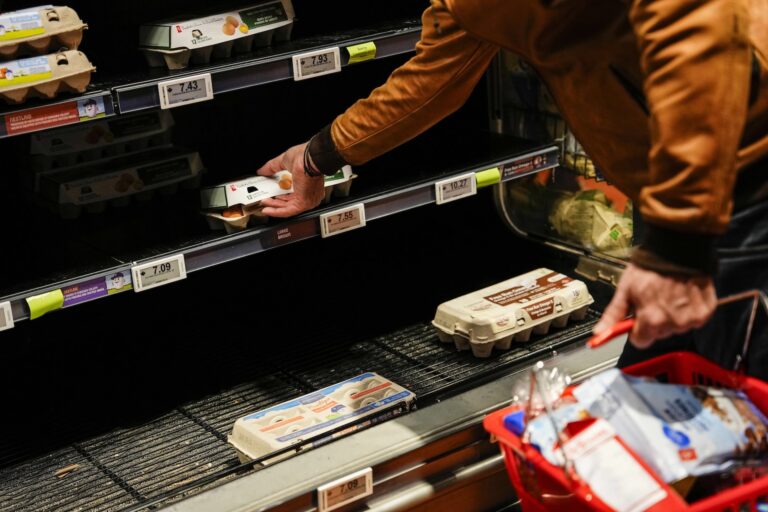
Loblaw, Sobeys and Metro all acknowledged the use of digital shelf labels in their stores, but claimed the roll-out was to help with accuracy and efficiency. Digital shelf labels help Sobeys show the most accurate prices, said spokesperson Caitlin Gray, and free up staff to spend more time on other tasks. Loblaw spokesperson Lina Maragha added that the tech helps reduce the company’s environmental footprint.
Talking Points
- Loblaw, Sobeys and Metro say that they do not and will not use algorithmic pricing despite the widespread use of digital shelf labels that allow physical retailers to update prices on the fly
- Concerns have been mounting about the potential widespread use of algorithmic pricing, which uses AI to analyze individual customer data and other information to adjust prices
All three firms balked at the idea that the widespread use of digital shelf labels would bring about the introduction of algorithmic pricing in physical stores. “We do not use, nor do we plan to use, algorithmic pricing to set or increase prices in our stores, including on our electronic shelf labels,” said Maragha. Loblaw does not engage in the practice in its physical stores or online, Maragha added.
Metro’s communication manager Stephanie Bonk echoed those sentiments. “We do not use algorithmic pricing,” she said, adding the company does not intend to in the future. When asked if Sobeys uses or plans to use the technology, Gray said, “Our answer is no for both questions.”
Algorithmic pricing is a more advanced version of dynamic pricing and allows both online and brick-and-mortar retailers to rapidly adjust prices. Online, that could mean different people pay different amounts for the same product based on their customer profile. Offline, it could mean grocers changing the price of ice cream when certain shoppers walk by.
Related Articles

Dynamic pricing, meanwhile, has existed for years and is mostly known for its use among certain industries, like airlines and ride-sharing apps. There, algorithms are used to change prices based on market conditions, customer demand, or even the weather.
Metro went one step further than other major grocers, saying it does not use dynamic pricing and won’t in the future. Loblaw and Sobeys did not answer questions about whether their companies use dynamic pricing or intend to in the future.
The increasing popularity of digital shelf labels has raised concerns amongst consumers, policy experts and politicians that the technology could allow retailers to change prices rapidly, be it for algorithmic or dynamic pricing.
On April 20, Swedish-based Pricer and its Montreal-based partner JRTech Solutions announced that Sobeys would install its technology in up to 350 of its roughly 1,600 stores, starting this May. The companies first started working together in late 2024.
Last month, Walmart said all its 5,200 stores in the U.S. would have digital shelf labels by the end of the year. Walmart Canada did not respond to questions about whether it was also planning to add the technology to all its Canadian stores. Walmart has also been awarded two patents in the U.S. that could help it set individualized prices online, raising alarm bells that it could soon start using algorithmic pricing at scale.
In Canada, both the companies making digital shelf labels and those using them deny they’re doing so to change prices based on individual customer data. Pricer does “not offer pricing algorithms,” spokesperson Cecilia Vinell told The Logic, and its technology does not suggest prices retailers should charge at any given moment. Instead, she said, retailers decide what prices they will set using their own strategies, and a human must input and approve the change. JRTech did not respond to a request for comment.
Pricer’s website advertises that its technology, called Pricer Plaza, can be used to update prices. The deal with Sobeys includes the Pricer Plaza platform. Pricer did not respond to questions about the technology.
Pricer and JRTech also work with Metro, which has been installing digital labels for the past 10 years, and Canadian Tire. Loblaw, which started introducing digital shelf labels in 2018, did not say which provider it works with.