Listen Now
0:00
Concerns that retailers may soon start using algorithmic pricing to constantly adjust the prices of everything from loaves of bread to laptops have led some politicians to call for an immediate ban on the technology.
Last week, the NDP failed to get the support it needed for its motion to force a nationwide ban, while some provinces are also mulling regulations against the practice.
Talking Points
- Dynamic pricing, where people pay different prices for airfares or ride-share journeys, has existed for years. Advances in the technology behind such systems could lead to them becoming more commonplace among retailers selling everything from groceries to consumer electronics.
- Manitoba recently moved to ban the so-called algorithmic pricing practice, and politicians in other provinces are starting to consider how they might regulate the technology
“Grocery giants and other retailers are teaming up with Big Tech to squeeze people even more,” federal NDP leader Avi Lewis claimed early last week. These companies, he added, can use an unlimited amount of personal data, including how long someone’s mouse hovers over parts of a website, to charge one person more than another. “It’s unfair. It’s a rip off, and it’s downright creepy,” he said.
Lewis isn’t the only politician with concerns about algorithmic pricing. In Ontario, the NDP put forward a motion to ban it, which was defeated in a vote on Monday. The Liberals have put forward a bill to make it an unfair practice, which is awaiting a second reading. In Manitoba, the NDP also recently announced it had introduced an amendment to the Business Practices Act that would ban what it called predatory pricing.
None of the other provinces and territories that responded to The Logic’s request for comment indicated they were planning any action to tackle algorithmic pricing. Some suggested the onus was on shoppers and that consumers should inform their respective regulatory bodies of any complaints.
Related Articles

Algorithmic pricing is a hyper-focused version of dynamic pricing, which has existed online for years. Airlines are perhaps the best-known proponents and some use it to charge different prices for airfares. Uber and other ride-sharing services also use a version of the technology, often referred to as surge pricing, to charge more for rides when demand is high.
Politicians are seemingly worried that technological advances could result in algorithmic pricing being used to adjust the price of just about anything—from a loaf of bread at a grocery store to a laptop at an online retailer.
NDP spokesperson Aaron Zerfas claimed the use of algorithmic pricing was “opaque by design,” meaning both shoppers and regulators may not even realize it’s happening. Proving two or more shoppers purchasing from the same store, whether online or in-person, are paying different amounts due to their individual customer profiles rather than, for example, broader market forces such as supply and demand, is hard to do.
Much of the existing evidence on the proliferation of algorithmic pricing comes from south of the border. In January 2025, the Federal Trade Commission found that at least 250 companies, including grocery stores and retailers, were working with firms that developed algorithmic pricing technology. A Consumer Reports’ investigation, meanwhile, found that Instacart was changing the prices different people saw by as much as 23 per cent. Instacart has since announced it will stop running what it called “price tests,” but denied that what it had done amounted to dynamic or surveillance pricing.
“We know that the practice is creeping into Canada,” Zerfas claimed. The evidence, however, is mostly anecdotal. The Competition Bureau published a discussion paper on the topic in June and sought public input, hearing back from 77 people and 26 stakeholders, including companies that develop dynamic pricing tools and a think tank investigating monopoly power in Canada.
The bureau’s findings did not lay out concrete examples of algorithmic pricing happening in the wild, but it did say it would continue to monitor developments. Meanwhile, some Canadian tech companies advertise how they can help retailers use AI to adjust prices.
The Canadian arm of the United Food and Commercial Workers’ (UFCW) union, which represents more than 250,000 workers across grocery stores, restaurants, retail and other industries, threw its support behind the NDP’s motion. Barry Sawyer, UFCW Canada national president, said the union’s U.S. members have been raising concerns about algorithmic pricing for some time.
“Now, we’re starting to see some evidence of it making its way into Canada,” he said. Members of the union who work at Canadian grocery stores have started sharing their suspicions in recent months, he said. Often, customers will complain that the price at the cash register isn’t the same as the price they saw on the shelf.
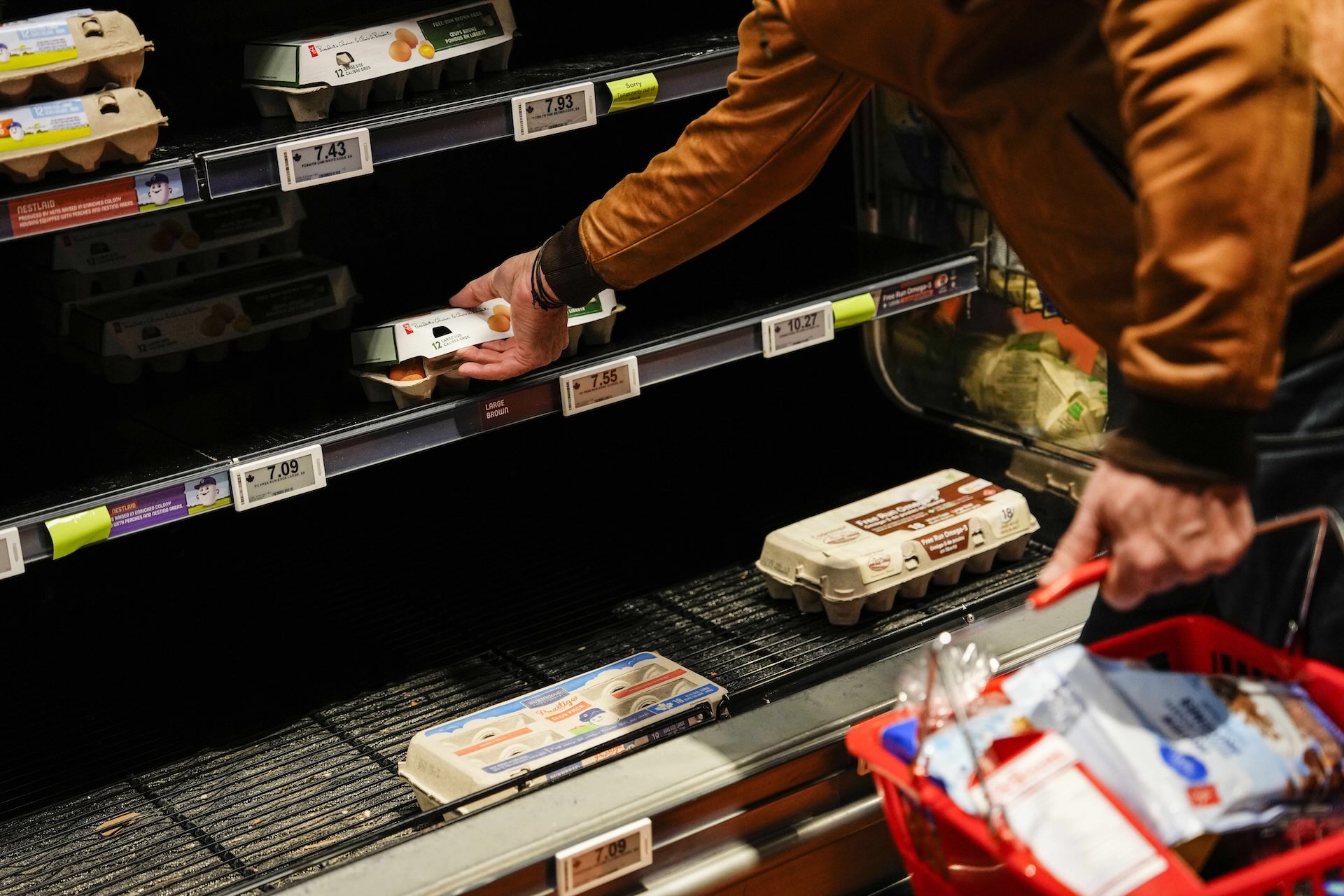
Recent patent applications in the U.S. suggest Walmart may be preparing to introduce some form of algorithmic pricing in the future. This year, it was awarded two patents that could help it set individualized prices online. It also recently announced plans to install digital shelf labels across all its U.S. locations within the next year. Walmart has denied that the patents have anything to do with algorithmic pricing, arguing one was meant for sales and the other to help humans make pricing decisions. Walmart Canada, which did not respond to a request for comment, already uses digital shelf labels in some of its stores in Canada.
Sawyer is heartened by the Manitoba government’s moves and is hopeful other provinces will follow suit, and that the federal government will also take concrete action. Household finances are already squeezed, he said, and algorithmic pricing could make things worse. “I believe that all levels of government do not want to just throw up their hands and ignore the fact that grocery prices are going out of control.”
With files from David Reevely in Ottawa