Listen Now
0:00
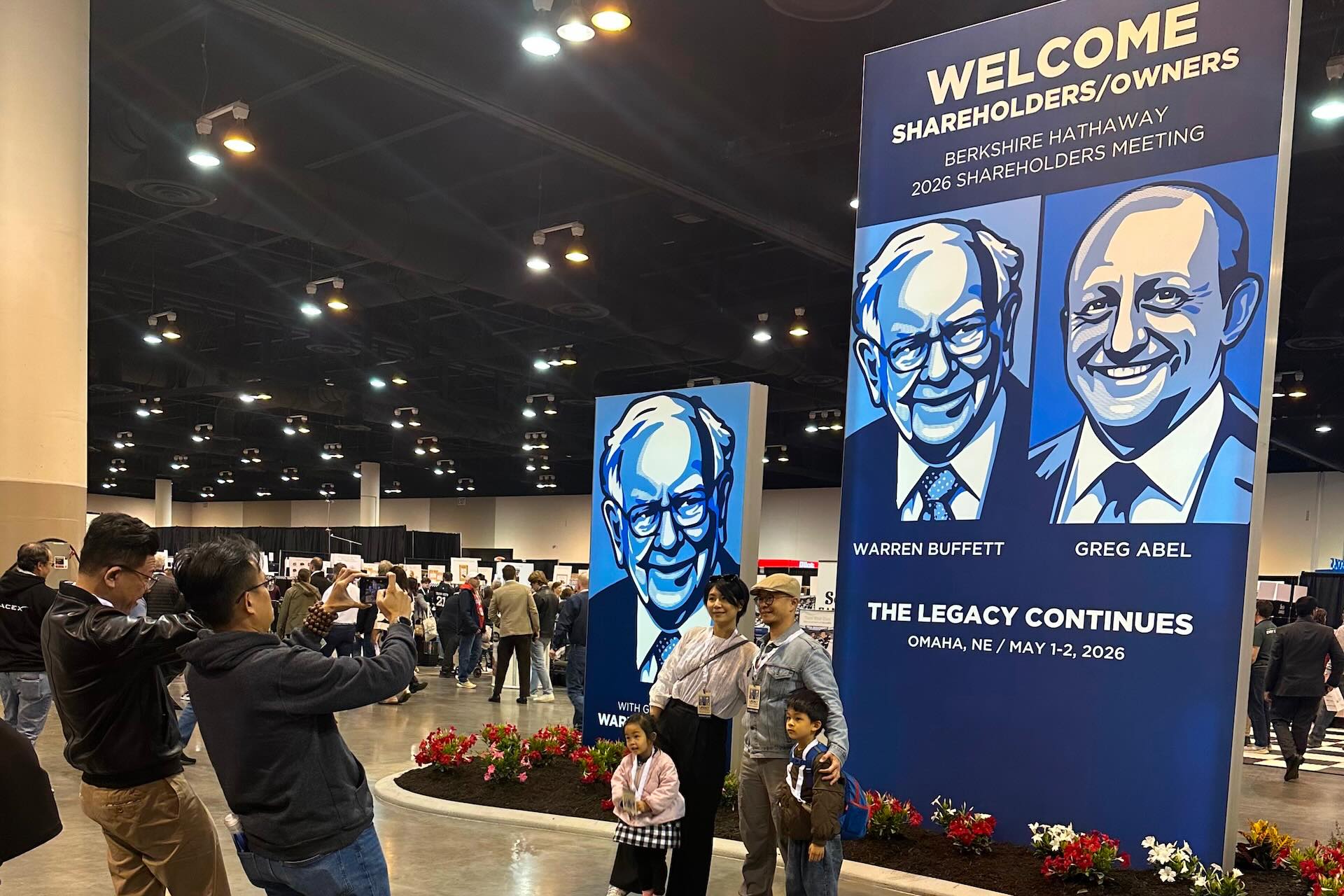
Berkshire Hathaway’s new CEO, Edmonton-born Greg Abel, used his first annual meeting at the helm to reassure investors that the conglomerate remains on track, as questions mount over whether he can sustain Warren Buffett’s long-standing record.
In contrast to Buffett’s famously freewheeling Saturday sessions, filled with nuggets of investing philosophy, Abel delivered a more structured presentation aimed at reinforcing confidence in Berkshire’s sprawling business empire. Abel told Toronto-based shareholder Jackie Han that he will maintain Buffett-like discipline in deploying Berkshire’s vast cash pile, saying he is waiting for lower valuations before staking a claim on some investments he’s been eyeing.
Talking Points
- Berkshire Hathaway’s new Canadian CEO took the spotlight on Saturday leading his first annual meeting, opting for a comprehensive dive into the company’s portfolio and fielding tough questions from skeptical investors
- While it would be tough for any leader to recreate the success of Warren Buffett, Canadian Buffett-watchers said Abel seemed candid and brought sharp operational acumen
Abel’s leadership is not just a matter of patriotism, but of financial consequence for Canadian investors. Among the 100 biggest public stockholders, compiled by S&P Global Market Intelligence, are RBC, CPP Investments, Manulife, La Caisse, and TD, which together owned more than US$9 billion in shares as of the end of last year. Berkshire Hathaway also owns AltaLink, Alberta’s largest electricity transmission provider. Abel, who has a background in energy, said Saturday he expects Berkshire’s natural gas pipeline footprint to grow.
Robert Gill, who holds both personal and professional positions in Berkshire at the Toronto-area firm Fairbank Investment Management, said Abel clearly understands the business and has preserved the meeting’s culture, suggesting the leadership transition is “less about strategy and more about identity.”
Related Articles

“Berkshire moves from being a founder-driven capital allocator, to a professionally managed conglomerate,” he said.
While Buffett’s erudite habits sat alongside a well-publicized fondness for Coke and candy, he has leaned on Abel for more “cosmopolitan” tasks, like communicating with major Japanese trading houses.
Buffett was not subtle in noting that meeting attendee and former Apple chief operating officer Tim Cook was also succeeding a “legend,” Steve Jobs, when he was elevated to Apple CEO.
“About 10 years ago, we made a commitment to… a person who was not that well known at the time,” he said. “And we did that by spending roughly US$35 billion buying stock in Apple.”
“That has turned into US$185 billion, pre-tax. And I didn’t have to do a damn thing.”
Paul Tomori, who travelled to Omaha from Ontario’s Niagara region, said he has long viewed Buffett as a guiding figure in principled investing, but sees the value in Abel’s operational expertise. Abel’s underdog status also makes him more approachable, Tomori added, noting that he spotted Abel stopping to engage with shareholders during Friday evening’s pre-meeting events.
Greg “may get into the trenches a bit more than what Buffett traditionally has done,” said Tomori. “I think he’s going to be a great leader.”
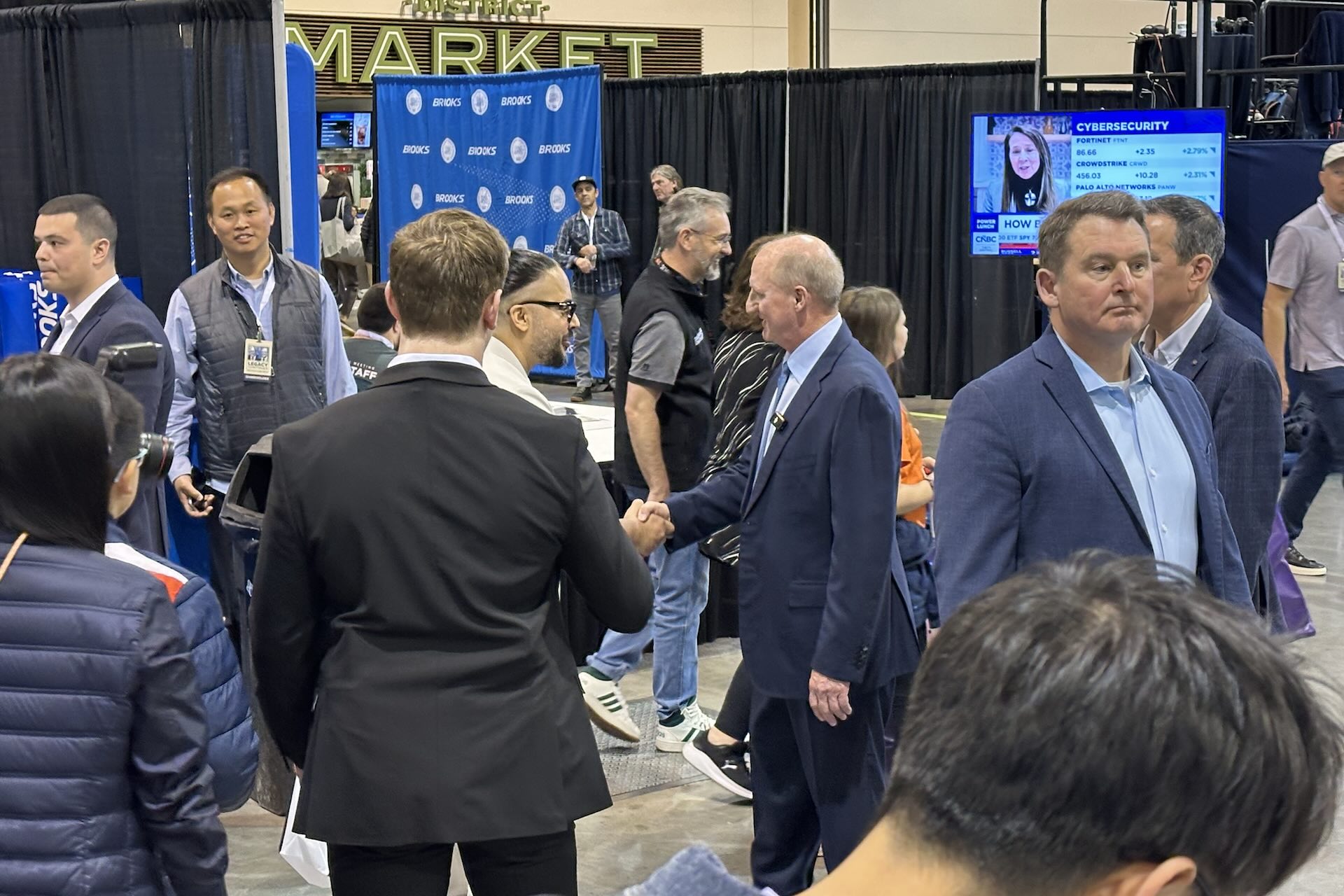
On paper, at least, Abel delivered some wins on Saturday. Operating income rose nearly 18 per cent in the first quarter across Berkshire’s portfolio of railways, insurance, energy, manufacturers, retailers and service providers.
Any improvement would be welcomed by investors, who have seen their stock value slide nearly six per cent so far this year, while the S&P 500 is up by nearly the same amount. Ahead of the meeting, CFRA analyst Catherine Seifert warned in a note that her expectations for the company were tempered given a “potential further evaporation of the ‘Buffett premium,’” alongside concerns over earnings, insurance underwriting and operating revenues.
Berkshire resumed stock buybacks in March, after a near two-year pause. Its investors are still paying a slight premium for the stock: a three-month average of US$1.47 for each dollar of book value. While that ratio is down about five per cent over the past three months, it remains about the same as the average for the prior decade.
Nonetheless, it will be hard to beat Buffett’s track record. Under his tenure, Berkshire’s market capitalization grew by 3,647 per cent between March 1993 and the beginning of this year.
Vancouver-based shareholder Amir Reihani pressed Abel on how deeply Berkshire would be able to integrate with new international investment partners, like Japanese insurer Tokio Marine. Others questioned how his background operating within companies would stack up against Buffett’s equity investing expertise.
“We have a concentrated portfolio,” Abel said. “We know those businesses well. We know the management teams. Those are the things that Warren and I would still be absolutely collaborating on.”
Behind booths stocked with Buffett-shaped Squishmallows and oversized cowboy boots, there was also a glimpse of a more future-focused company—including an uncanny deepfake simulation of the iconic investor.
Attendance this year is estimated to be well below last year’s 40,000. Still, Tomori said that it was busy enough for his taste: he noted See’s Candies were flying off the shelf even on Friday afternoon. While Buffett’s Omaha roots have long defined the gathering—and Buffett said Abel is taking pride in getting his U.S. citizenship soon—the new CEO didn’t shy away from his Canadian heritage. On this year’s commemorative boxes of See’s Candy, which was founded by a Canadian, he and Buffett are illustrated in hockey gear.