Skip to content
Commentary
Carmichael: The budget watchdog’s bark is worse than the debt trap’s bite
This crisis is radically different from the one Canada faced in the 1990s, but you wouldn’t know it from listening to the parliamentary budget officer
Interim parliamentary budget officer Jason Jacques waits to appear before a Senate committee in Ottawa on Oct. 2. Photo: The Canadian Press/Adrian Wyld
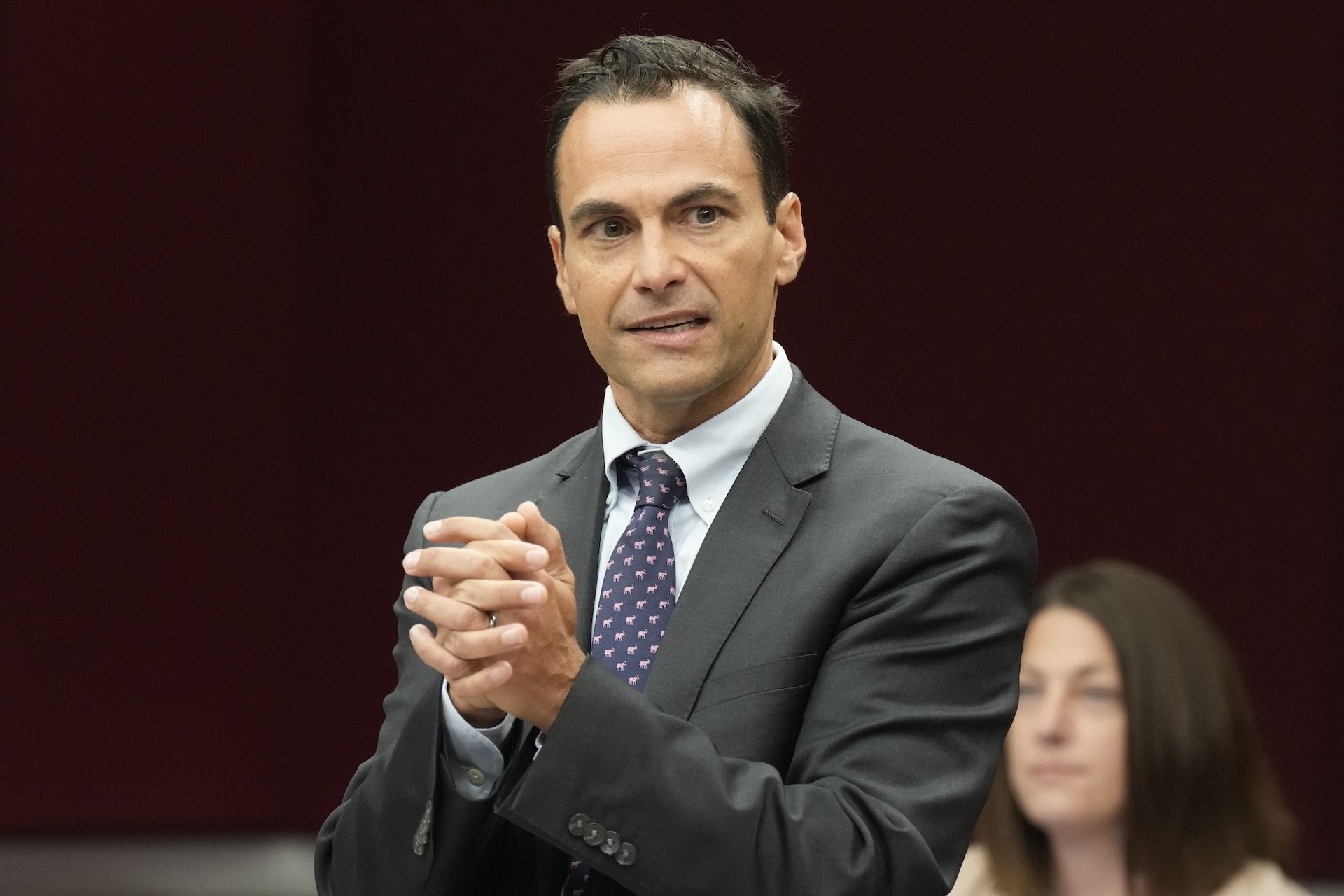
Jason Jacques is in high demand. The interim parliamentary budget officer told the House of Commons operations committee Thursday that he and his staff have met with more legislators since September than the office typically sees in a year.
“This increase in outreach has been offset by declining a substantial number of media requests for on-the-record interviews,” Jacques said. “This is part of our effort to prioritize our mandate of supporting parliament and ensure that people focus on the technical content of our work.”
Related Articles

Emphasis his. Decide for yourself why Jacques thought these details were worth sharing in opening remarks at a meeting that was advertised as a review of the Parliamentary Budget Office’s “extensive analysis of the government’s 2025 budget.” The committee would later endorse a motion stating that it should interview a shortlist of candidates to lead the PBO and decide who gets the job. If that comes to pass, Jacques, who told CTV’s Vassy Kapelos last weekend that he “absolutely” will apply to become the permanent parliamentary budget officer, got a head start on the competition.
This is the second time I’ve written about him, which is two times more than I wrote about his predecessor. Someone has to watch the watchdogs. The more Jacques talks, the more I’m convinced that Canada is caught in a debt trap. Not an actual debt trap, like the one that bit early in the 1990s when interest payments represented 6.5 per cent of gross domestic product (GDP), compared with 1.6 per cent in 2024. Rather, I think Canada’s debt trap is a mental one.
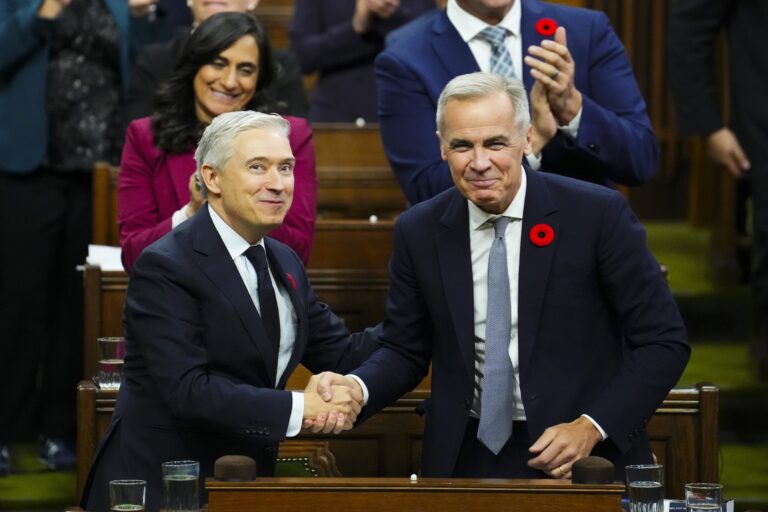
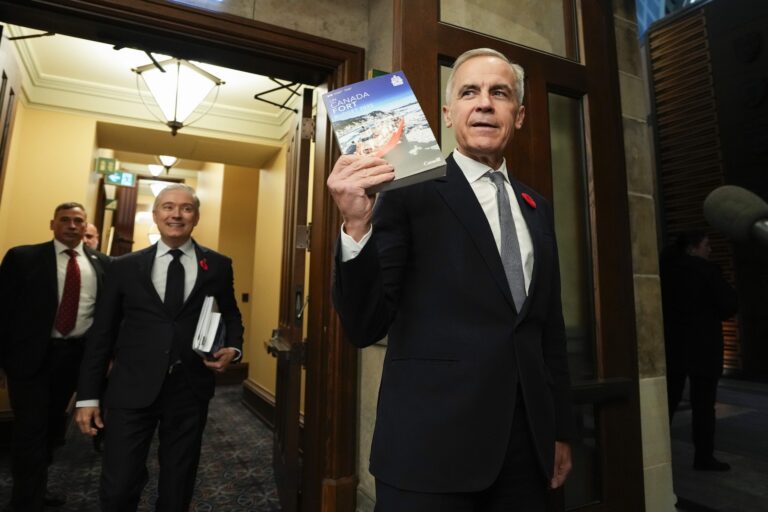
The country’s economy has been irreparably damaged, and the world has changed entirely. Yet on Parliament Hill, the debate isn’t over whether Prime Minister Mark Carney’s first budget has done enough to give the economy a second chance. Instead, members of Parliament are nitpicking over the size of the deficit and marginal changes in the trajectory of debt.
Jacques is happy to go along. The PBO’s assessment of the budget is oddly narrow, saying little about what U.S. President Donald Trump’s trade policies mean for the economy. Instead, the PBO report observes that if not for additional spending commitments booked since Chrystia Freeland’s star-crossed fiscal update a year ago, the government would have been able to record an operating surplus by 2027.
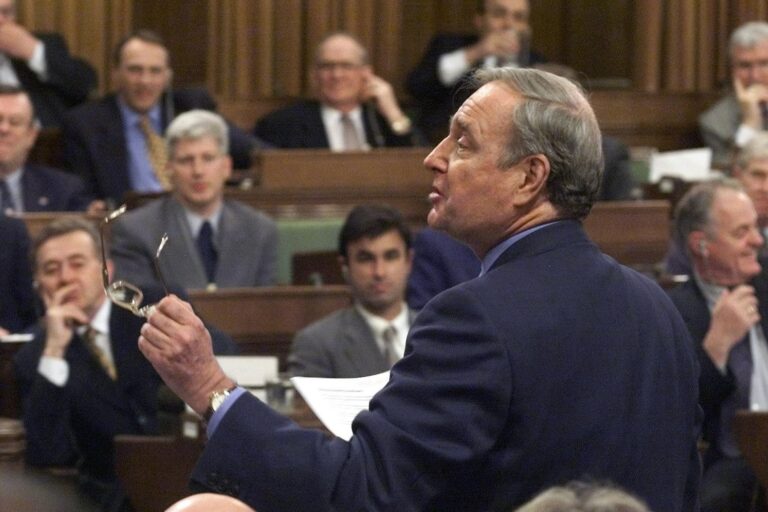
Maybe that’s meant simply as a factual statement, but to me, there’s something judgmental about it. Jacques and his office are independent, but that doesn’t mean they are without bias. He talks like someone whose thinking was influenced by the budget battles of the 1990s and the political preference for austerity that took hold in their aftermath.
When critiquing the Liberal government’s decision to increase debt, Jacques said he would “carve time out of my day” to watch Finance officials explain the government’s decision to abandon a longstanding promise to steadily shrink debt as a percentage of GDP. A declining debt-to-GDP ratio created “space to deal with economic shocks that hit the economy,” he said.
This is how the mental trap bites. Those comments are an echo from the late 1990s and 2000s, when Canadian governments routinely created rainy-day funds, comfortable in the knowledge that Canadian businesses had easy access to the world’s hegemon.
Fiscal buffers always were more about signalling a commitment to surpluses than they were strictly necessary to manage the country’s finances. But they created an expectation that a good finance minister would always keep some powder dry. It’s a mentality based on surviving a siege. The objective now is winning a war.
Carney’s budget is a response to the mother of all economic shocks—the rupture of the relationship on which economic policy and Canadian industry has been based for four decades. The Bank of Canada has calculated that U.S. tariffs have put the economy on a lower growth trajectory that will make it harder to generate the wealth that supports our quality of life. We can settle for that future, or we take some risks.
Scotiabank economist Rebekah Young’s assessment of the budget couldn’t have been more different from the PBO’s. “Ottawa has reframed Canada’s growth story as an investment one,” Young wrote earlier this week. The government’s bet that $279 billion in debt-financed capital spending will generate a total investment of $1 trillion is plausible, albeit with little margin for error. “Its execution would be nothing short of transformational,” she said.
Young, who has worked at both Finance and the International Monetary Fund, isn’t typically a cheerleader for profligacy. She once recommended that I read a book called Austerity: When It Works and When It Doesn’t by economists Alberto Alesina, Carlo Favero and Francesco Giavazzi.
For Young, this is a moment when it doesn’t. All those years of prudence came at the expense of investment in the infrastructure the country now needs to get its most valuable exports to places beyond North America. Putting arbitrary fiscal targets ahead of such investment is a decision to remain small. “Hard work lays ahead,” Young wrote. “There is no shortcut to higher investment, greater competitiveness and higher welfare. Over time, disciplined execution should pay off if Canadians have the patience and the resolve.”
Jacques is good at attracting attention. His tendency for alarmism helps. He got my attention in October when he described Canada’s debt trajectory as “stupefying” and “unsustainable.” He now concedes that he got ahead of himself. The PBO now says federal debt is on a sustainable track, based on Finance Minister François-Philippe Champagne’s pledge to keep the debt-to-GDP ratio at around 43 per cent for the next five years.
The sustainability of Canada’s debt was also evident a month ago, when the yield on 30-year government of Canada debt was around 3.7 per cent, lower than in 2006 when Stephen Harper’s government created the PBO. Things change. A criterion for leadership positions ought to be keeping up.
Kevin Carmichael is The Logic’s economics columnist and editor-at-large. He has spent more than two decades covering economics, business and finance for outlets including Bloomberg News, The Globe and Mail and the Financial Post, where he also served as editor-in-chief.



Loading...
Thanks for sharing!
You have shared 5 articles this month and reached the maximum amount of shares available.
CloseThis account has reached its share limit.
If you would like to purchase a sharing license please contact The Logic support at [email protected].
CloseGift the full article!
You have gifted 0 article(s) this month and have 5 remaining.
Recipients will be able to read the full text of the article after submitting their email address. They will not have access to other articles or subscriber benefits.
Photo: The Canadian Press/Adrian Wyld
Most Popular This Week




In-depth, agenda-setting reporting
Great journalism delivered straight to your inbox.
Commentary
Carmichael: Being boxed in will help Canada focus on what matters
Briefing
Rio Tinto gets nearly $165M in additional federal funds for Quebec aluminum
U.S. to lift tariffs on some Canadian products crucial to Maine: Collins
Carney warns of tech dependence after Starlink disruptions in Ukraine
Best business newsletter in Canada
Get up to speed in minutes with insights and analysis on the most important stories of the day, every weekday.
Exclusive events
See the bigger picture with reporters and industry experts in subscriber-exclusive events.
Membership in The Logic Council
Membership provides access to our popular Slack channel, participation in subscriber surveys and invitations to exclusive events with our journalists and special guests.






