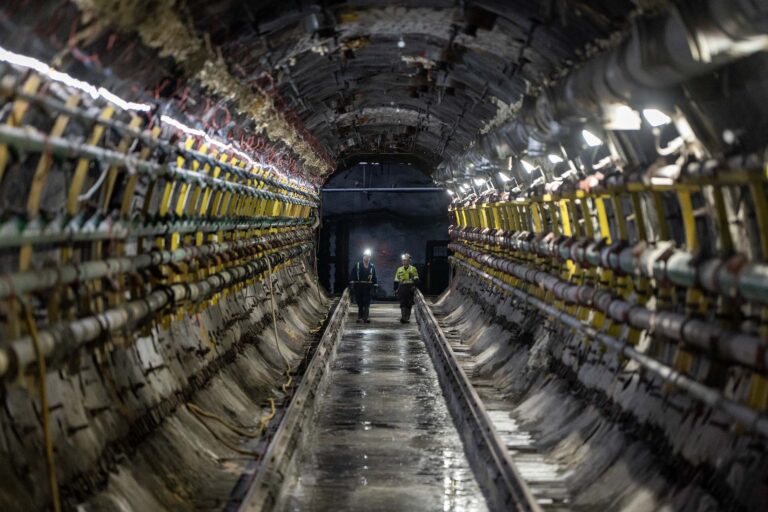
Executives of the New York-based hedge fund, private equity and venture capital firm reportedly believe Xi’s ongoing control means China’s zero-COVID policy will likely remain in place and that geopolitical tensions could increase—two factors weighing on the country’s economic growth. (The Wall Street Journal)
Skip to content

Executives of the New York-based hedge fund, private equity and venture capital firm reportedly believe Xi’s ongoing control means China’s zero-COVID policy will likely remain in place and that geopolitical tensions could increase—two factors weighing on the country’s economic growth. (The Wall Street Journal)
Talking point: The long-time investor in China has been shrinking its exposure to the country’s equities markets amid plummeting asset values and macroeconomic turmoil. Tiger isn’t alone in adopting a cautious approach to China’s market. In Canada, CPP Investments, the British Columbia Investment Management Corporation and the Caisse de Dépôt et Placement du Quebec have drastically reduced their exposure to U.S.-listed Chinese stocks. Tiger is also moderating its aggressive investment strategy outside China, as a broader recession looms. It announced last month it was targeting US$6 billion for a new private equity vehicle, less than half the size of its previous fund.



Loading...
Thanks for sharing!
You have shared 5 articles this month and reached the maximum amount of shares available.
CloseThis account has reached its share limit.
If you would like to purchase a sharing license please contact The Logic support at [email protected].
CloseGift the full article!
You have gifted 0 article(s) this month and have 5 remaining.
Recipients will be able to read the full text of the article after submitting their email address. They will not have access to other articles or subscriber benefits.
Most Popular This Week


In-depth, agenda-setting reporting
Great journalism delivered straight to your inbox.
News
A tech firm born from post-Brexit trade chaos sets its sights on Canada
Briefing
Dozens of Canadian researchers join chorus of scientists calling for a global AI oversight
TC Energy strikes deal with Indigenous groups for ownership stake in Coastal GasLink pipeline
Canada’s Tailscale taps Google Moonshot alum to lead sovereign AI push
Best business newsletter in Canada
Get up to speed in minutes with insights and analysis on the most important stories of the day, every weekday.
Exclusive events
See the bigger picture with reporters and industry experts in subscriber-exclusive events.
Membership in The Logic Council
Membership provides access to our popular Slack channel, participation in subscriber surveys and invitations to exclusive events with our journalists and special guests.