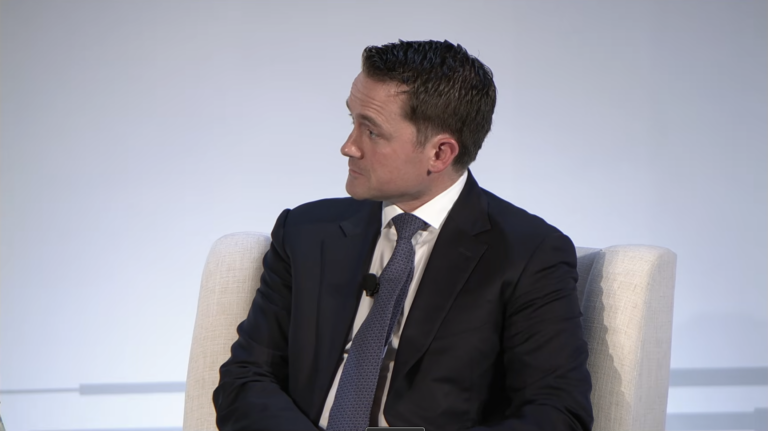
The first part of a 136-jurisdiction agreement reached in October 2021 would reallocate the right to tax US$125-billion worth of profits based on where companies do business, not just where they’re headquartered. “It’s probably most likely now that we’ll end up with practical implementation from 2024 onwards,” OECD general secretary Mathias Cormann said at the World Economic Forum in Davos on Tuesday. (The Logic)
Skip to content

The first part of a 136-jurisdiction agreement reached in October 2021 would reallocate the right to tax US$125-billion worth of profits based on where companies do business, not just where they’re headquartered. “It’s probably most likely now that we’ll end up with practical implementation from 2024 onwards,” OECD general secretary Mathias Cormann said at the World Economic Forum in Davos on Tuesday. (The Logic)
Talking point: The bloc was aiming to sign a multilateral treaty containing the rules by mid-2022 and enact them starting next year. That makes it more likely that Canada will proceed with its own digital-services tax (DST), the kind of country-specific measure the OECD-led deal is designed to pre-empt. In December 2021, the Liberal government published draft legislation to create the DST, which would take effect from January 2024 if the global measures aren’t in place by then, and remain active until they are. Cormann noted there’s been more progress on the second part of the OECD-led deal, which imposes a global minimum corporate tax rate of 15 per cent. He cited domestic legislation setting that floor in Canada—included in April’s federal budget—the U.K. and EU.



Loading...
Thanks for sharing!
You have shared 5 articles this month and reached the maximum amount of shares available.
CloseThis account has reached its share limit.
If you would like to purchase a sharing license please contact The Logic support at [email protected].
CloseGift the full article!
You have gifted 0 article(s) this month and have 5 remaining.
Recipients will be able to read the full text of the article after submitting their email address. They will not have access to other articles or subscriber benefits.
Most Popular This Week



In-depth, agenda-setting reporting
Great journalism delivered straight to your inbox.
News
Adam Waterous proposes massive crude exports to Asia by rail through northern B.C.
Briefing
Rio Tinto gets nearly $165M in additional federal funds for Quebec aluminum
U.S. to lift tariffs on some Canadian products crucial to Maine: Collins
Carney warns of tech dependence after Starlink disruptions in Ukraine
Best business newsletter in Canada
Get up to speed in minutes with insights and analysis on the most important stories of the day, every weekday.
Exclusive events
See the bigger picture with reporters and industry experts in subscriber-exclusive events.
Membership in The Logic Council
Membership provides access to our popular Slack channel, participation in subscriber surveys and invitations to exclusive events with our journalists and special guests.






