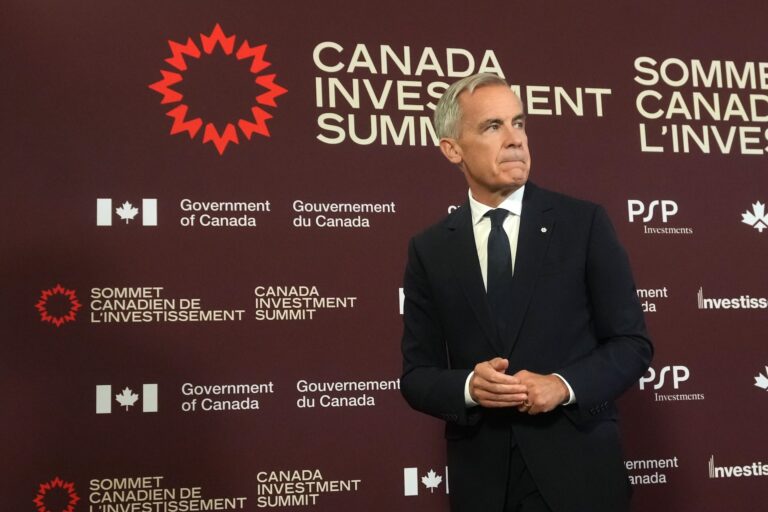
Governor Tiff Macklem and his deputies paused to consider the exchange rate before dropping the benchmark borrowing rate by half a percentage point on Dec. 11, the summary of those deliberations showed. Policymakers decided the loonie’s weakness was primarily a reflection of the U.S. dollar’s strength, but “acknowledged the divergence between U.S. and Canadian monetary policy was likely having some impact.” (The Logic)
Skip to content
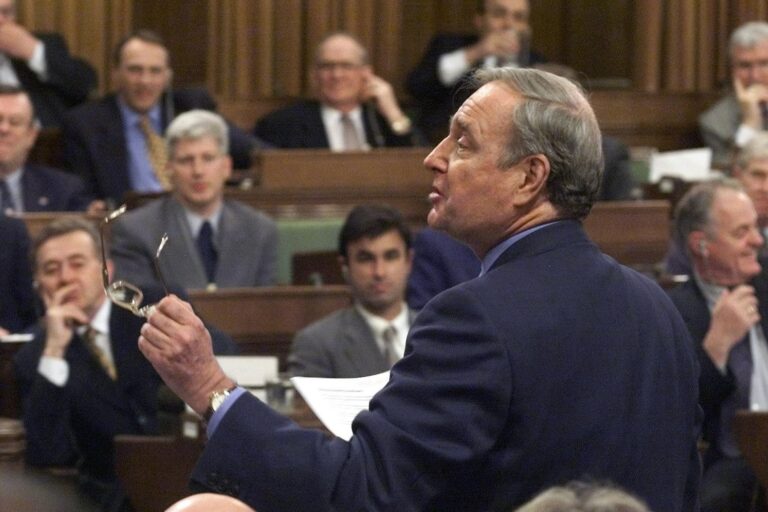
Governor Tiff Macklem and his deputies paused to consider the exchange rate before dropping the benchmark borrowing rate by half a percentage point on Dec. 11, the summary of those deliberations showed. Policymakers decided the loonie’s weakness was primarily a reflection of the U.S. dollar’s strength, but “acknowledged the divergence between U.S. and Canadian monetary policy was likely having some impact.” (The Logic)
Talking point: The Canadian dollar was trading around 71 U.S. cents when the Bank of Canada last met. It touched 69 cents last week amid Chrystia Freeland’s resignation as finance minister and the U.S. Federal Reserve’s concession that it probably won’t be cutting borrowing costs as much as it anticipated, and was hovering around 70 cents on Monday. The Bank of Canada doesn’t follow the Fed in lockstep, but there are limits to divergence because a weaker currency puts upward pressure on inflation by making imports more expensive. The exchange rate could be an important variable at the next policy meeting at the end of January. Policymakers have a “range of views” on where rates should head in 2025.



Loading...
Thanks for sharing!
You have shared 5 articles this month and reached the maximum amount of shares available.
CloseThis account has reached its share limit.
If you would like to purchase a sharing license please contact The Logic support at [email protected].
CloseGift the full article!
You have gifted 0 article(s) this month and have 5 remaining.
Recipients will be able to read the full text of the article after submitting their email address. They will not have access to other articles or subscriber benefits.
Most Popular This Week




In-depth, agenda-setting reporting
Great journalism delivered straight to your inbox.
Commentary
Carmichael: Being boxed in will help Canada focus on what matters
Briefing
Rio Tinto gets nearly $165M in additional federal funds for Quebec aluminum
U.S. to lift tariffs on some Canadian products crucial to Maine: Collins
Carney warns of tech dependence after Starlink disruptions in Ukraine
Best business newsletter in Canada
Get up to speed in minutes with insights and analysis on the most important stories of the day, every weekday.
Exclusive events
See the bigger picture with reporters and industry experts in subscriber-exclusive events.
Membership in The Logic Council
Membership provides access to our popular Slack channel, participation in subscriber surveys and invitations to exclusive events with our journalists and special guests.