CALGARY — As Donald Trump threatens to include petroleum among the Canadian exports he’d hit with steep tariffs—“We don’t need their oil,” he said—energy analysts warned the move would drive up the price of gasoline at U.S. pumps.
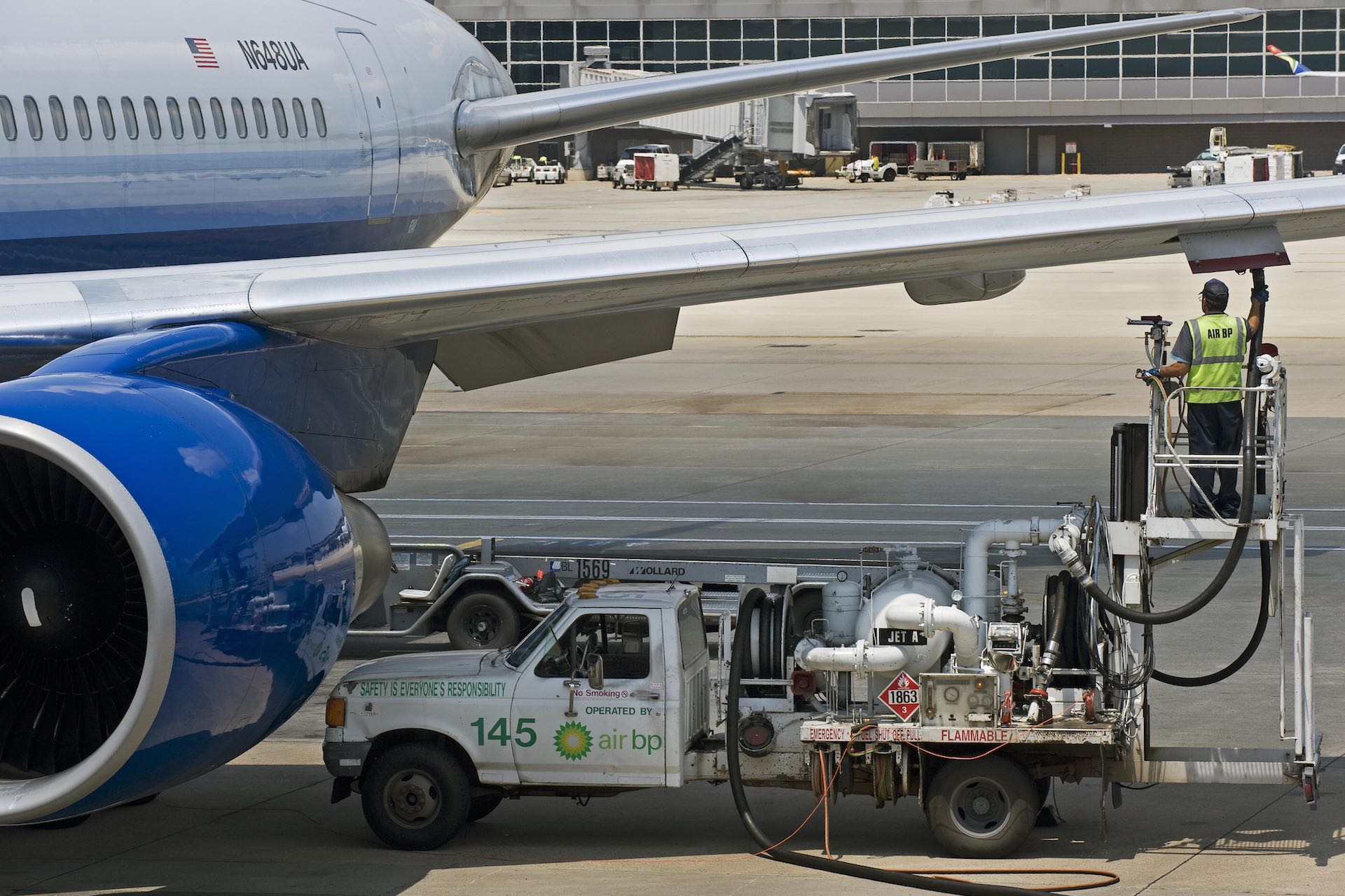
The actual impact would run much deeper. Due to the unique makeup of Canadian heavy oil, and America’s enthusiastic use of it, tariffs would inflate prices of everything from airline jet fuel to asphalt. They would even drive up prices of bunker fuels used to propel ocean tankers—ships that carry oil products to and from U.S. refineries.
Talking Points
- Energy interests on both sides of the Canada-U.S. border have warned about higher gasoline prices should Trump slap tariffs on Canadian oil
- The move would hit a range of products, from jet fuel to kerosene, underscoring the deep energy trade dependence between the two countries
“Oil touches everywhere in the economy,” said Cameron Gingrich, managing partner at Calgary-based energy analysis firm Incorrys. “When you have a 25 per cent increase in oil prices, that’s going to head to the consumers’ pocketbook in a hurry.”
That might help explain why Trump seemed to hesitate Thursday when the subject of oil came up, telling reporters it “may or may not” fall under the 25 per cent tariffs he’s threatened to slap on Canadian imports, starting this weekend. Canada’s government has not specified how it might respond, but Prime Minister Justin Trudeau has said “nothing is off the table” as to what could be included in tit-for-tat trade actions.
The knock-on effects of either move may surprise many American businesses and consumers. For years, Gulf Coast and Midwest refineries have used Canadian oil as feedstock, and their ability to accept those barrels of heavier oil speaks to how deeply integrated the two countries’ energy industries have become.
Gulf Coast refiners in particular have invested billions in so-called hydrocracking units, giant tanks where hydrogen is mixed with oilsands crude to break down the heavy hydrocarbon molecules into lighter distillates and fuels.
Unlike conventional crudes extracted in the U.S. (and parts of Canada), oilsands crude is thicker than peanut butter and requires more energy to distill. The suite of products made from it are the lifeblood of the U.S. economy. They include kerosene, aviation fuel and diesel, which is heavier than regular gasoline; oilsands bitumen also serves as the glue that holds together asphalt used to pave U.S. streets and highways.
In November, Canada exported nearly four million barrels per day of oil to the U.S., or roughly 95 per cent of the country’s total exports, according to the Canadian Centre for Energy Information. That in turn accounted for just over 56 per cent of total U.S. imports for the month, data show.
Major companies like BP, Chevron, ExxonMobil and Valero have oriented much of their refining capacity around those heavier Canadian blends, and would be reluctant to shift toward lighter feedstocks.
“These refinery guys, these engineers, are super risk-averse,” Gingrich said. “Once they get a configuration of crudes, they like to stick with it.”
Some of those companies have also invested in desulphurization capacity at their facilities, which, like hydrocracking units, comes at steep upfront cost. (Canadian oilsands is designated as a heavy “sour” blend due to its sulphur content, making it distinct from the light “sweet” blends found in regions like Texas or Saudi Arabia.)
“These are multibillion dollar pieces of equipment that would all of a sudden become rendered economically worthless,” said Rory Johnston, founder of the Toronto-based energy analysis firm Commodity Context. “So that’s obviously a huge hit to the refining companies.”
Canadian oilsands companies have produced more synthetic crude in recent years—oil that is upgraded and stripped of sulphur before it is shipped. U.S. refiners have tuned their facilities so perfectly for synthetic blends that commodity traders often refer to it as the “champagne of North American crudes,” Johnston said.
Canadian companies produced 1.37 million barrels per day of synthetic crude in November—the most recent available month—or nearly 29 per cent of the country’s entire daily oil output during that period.
Integration of the two countries’ sectors goes beyond the oil itself. Oilsands crude that isn’t upgraded in Alberta needs to be combined with a condensate mixture known as diluent—a product that dilutes it into liquid form so it can be shipped via pipeline. American companies produce diluent and send it to Canada in pipelines, where it is mixed with crude and transported back.
That scale of integration has developed only over the last 20 years, and sped up as capital investment flowed into the oilsands.
Dennis McConaghy, a former executive at Calgary pipeline company TC Energy, said the Canadian oilsands went through a period of “incredible transformation of integration” with the U.S., when soaring Chinese demand in the early 2000s fed an oil frenzy in northern Alberta.
Production skyrocketed as investors piled in, and Canada’s share of U.S. oil imports leapt from around five per cent in 2000 to well over 50 per cent today.
That has U.S. energy groups like the American Petroleum Institute speaking out against Trump’s tariff threats, saying the move would “directly undermine energy affordability and availability for consumers.”
“There are significant U.S. interests who don’t want this disrupted,” McConaghy said.