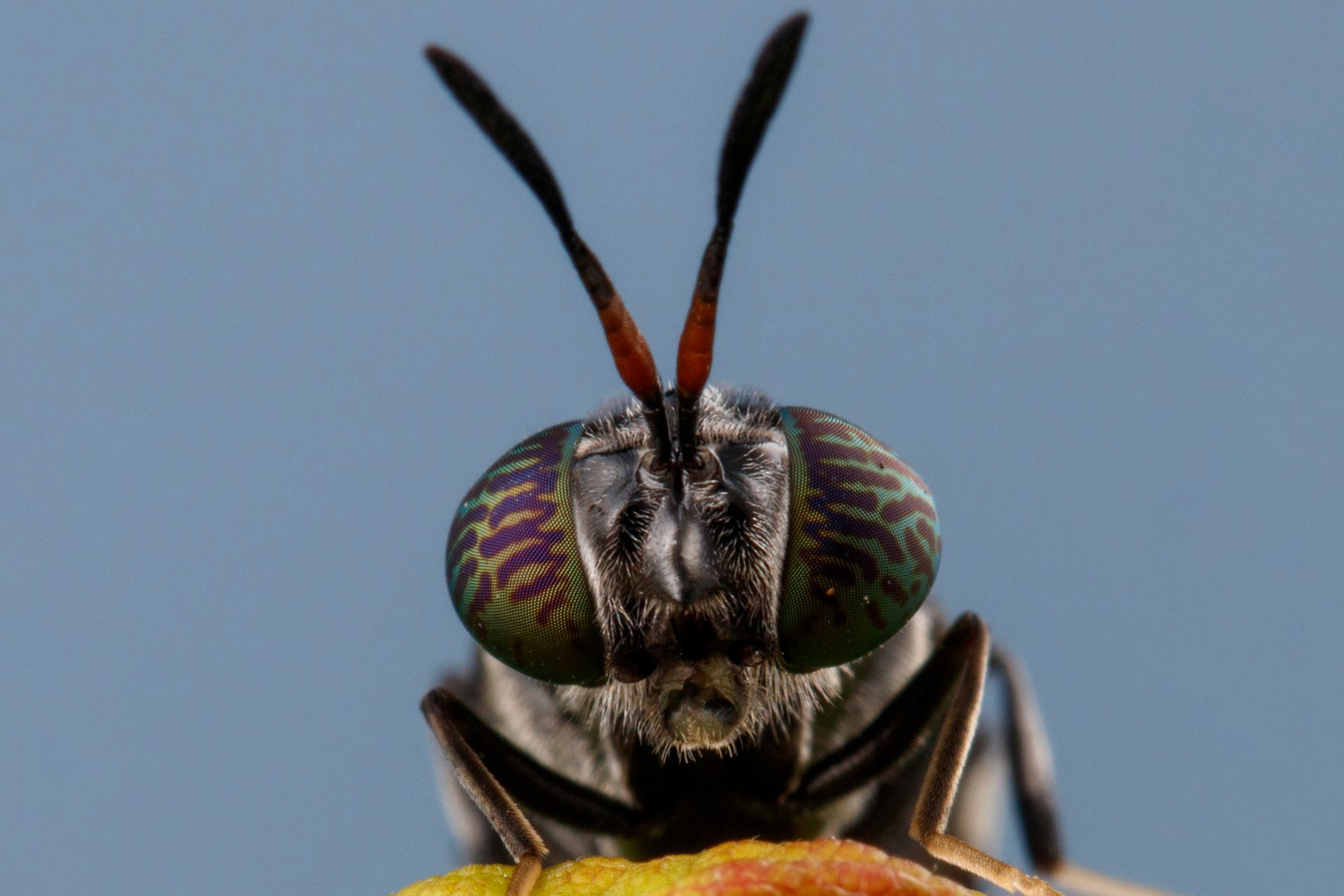
Black soldier fly larvae are miraculous. They’ll eat just about anything and can grow to 8,000 times their size in just 10 days. Once they’re big and juicy, they make an ideal high-protein food source for fish, livestock and even pets. Even their waste is useful—known as frass, it’s an effective organic fertilizer that enhances soil health and can also be used as biofuel.
Skip to content
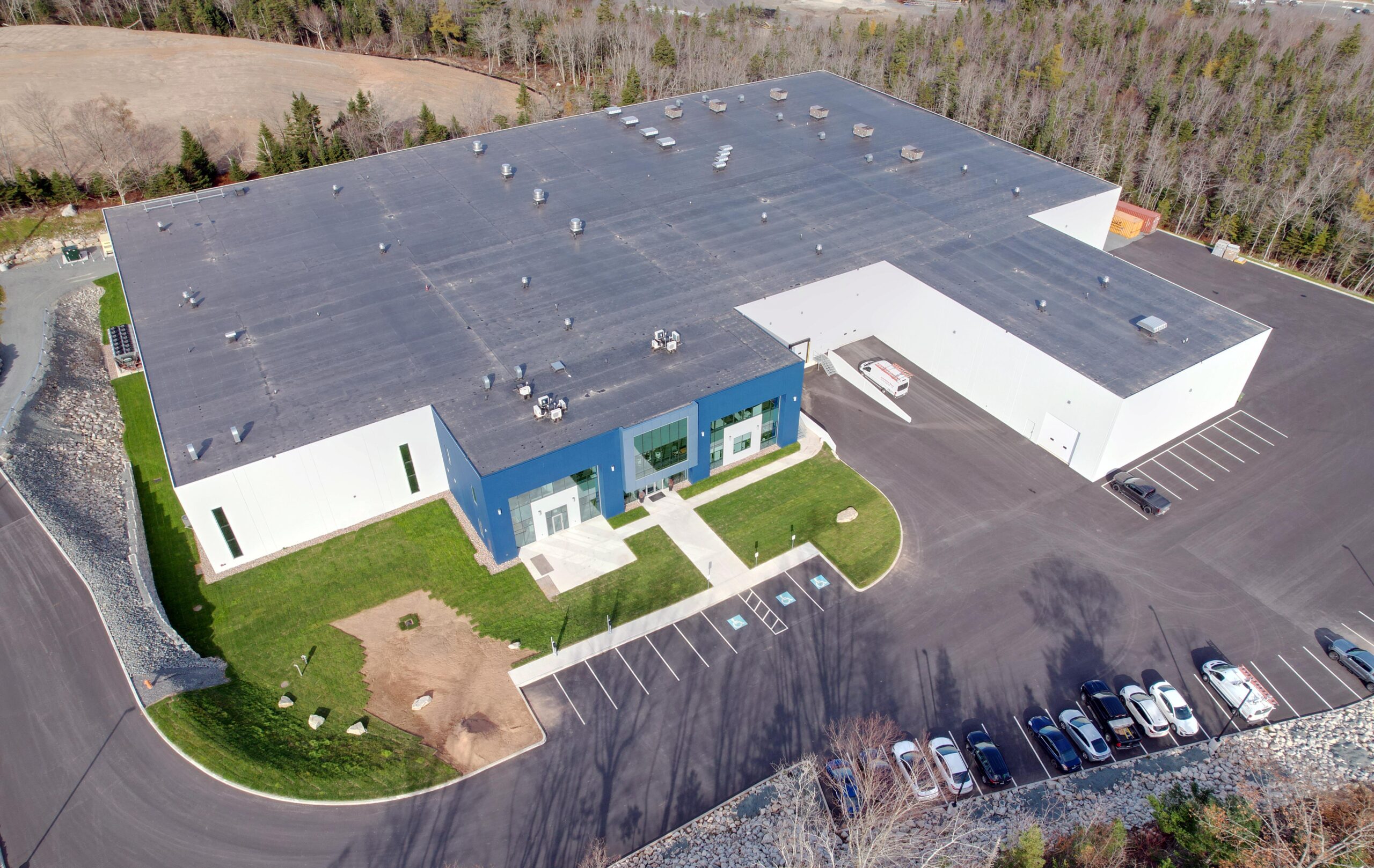 Oberland’s facility in Halifax, N.S. The company aims to produce 3,500 tons of dry protein and 9,000 tons of frass per year by 2025. Photo: Oberland
 Black soldier fly larvae will eat just about anything and can grow to 8,000 times their size in just 10 days. Photo: Oberland
 The North American Insect Center opened in Saskatoon in July 2024. The facility aims to help companies scale-up black soldier fly production. Photo: NRGene Canada/Dave Stobbe
News
Canada’s black soldier fly industry is booming
Black soldier fly larvae can eat mountains of rubbish, grow ludicrously fast and make delicious, nutritious feed for animals big and small
Black soldier fly larvae can be used to make high-protein food for fish, livestock and even pets. Photo: Oberland/Handout
Black soldier fly larvae are miraculous. They’ll eat just about anything and can grow to 8,000 times their size in just 10 days. Once they’re big and juicy, they make an ideal high-protein food source for fish, livestock and even pets. Even their waste is useful—known as frass, it’s an effective organic fertilizer that enhances soil health and can also be used as biofuel.
In 2020, estimates had more than 200 billion black soldier flies already being farmed globally each year. In Canada alone the market is projected to hit $62.93 million in the next decade, boosted by the agricultural sector, piles of organic waste, a drive to clean up big industries and, crucially, an academic ecosystem rich in tech expertise. At the headquarters of Oberland, a Halifax, N.S.-based agriscience firm, hundreds of millions of black fly soldier larvae wriggle around on any given day.
Talking Points
- More than 200 billion black soldier flies are already being farmed globally each year. In Canada, the market is expected to hit $62.93 million in the next decade.
- Canada’s black soldier fly industry is also getting government support as a promising new way to help meet climate goals
Oberland’s founder, agri-scientist Greg Wanger can’t get enough of the little wrigglers. On the upstream side, he says, they help to deal with food waste. Then, in turn, they provide a more sustainable feed for livestock. That means that, say, a bruised apple a grocery store couldn’t sell is eaten by a larvae which is turned into animal feed, which is eaten by a chicken, which ends up at your local butcher. “That was what I found really intriguing,” Wanger says.
When Wanger founded Oberland in 2017, black soldier fly larvae were mostly being farmed to make feed for aquaculture, but since then the market has exploded. The larvae are now being devoured by everything from poultry to pigs. Today, Oberland has 25 employees and is aiming to divert 36,000 tons of pre-consumer waste from landfills to produce 3,500 tons of dry protein and 9,000 tons of frass per year by 2025.
But it’s in the diets of cats and dogs that the black soldier fly industry could really take off. “The biggest market to grow has been the pet food industry,” Wanger says.
The global insect-based pet food market has been growing nearly seven per cent annually for the last five years, and is predicted to grow 10 per cent per year for the next decade, with black soldier flies as one of the most promising species. These flies are a favourite amongst Canadian companies because they’re native to North America, don’t bite or sting, and make for quality protein-packed final products.
Related Articles


At Oberland’s Halifax facility, the process of turning larvae into feed is split into four distinct zones. The first is the receiving area, or feed room, where the organic material and byproducts, like brewery waste or unsold pastries used to make feed for the insects, are processed.
Once ready, the feed is moved to the farm zone where it’s dumped into bins filled with larvae. These bins are stacked and moved around by robots, creating an almost fully automated system similar to vertical farming. The room is kept at a cosy 28 or 29 C, since the soldier fly is a semi-tropical species. “The insects grow like crazy in there,” Wanger says.
From the farm, Oberland processes larvae into various products like a giant Rice Krispie look-alike made of black soldier fly larvae that’s fed to livestock, and a larvae powder that’s added to dog kibble and salmon feed. Then, in the final zone, it’s packed and shipped.
Canada’s black soldier fly industry is also getting government support as a promising new way to help meet federal and provincial climate goals. In 2019, the Canadian Food Inspection Agency gave Oreka Solutions the first-ever green light in Ontario to sell black soldier fly products as feed for fish like trout and tilapia. It was the second company in Canada to get such an approval, after the British Columbia-based company Enterra, which has since entered receivership.
In 2022, Canada’s agriculture agency invested $6 million to help Drummondville, Que.-based Entosystem build a new $62 million black soldier fly facility. Opened in 2023, it eats its way through 90,000 tons of organic material per year while producing 5,000 tons of protein meal and 15,000 tons of organic fertilizer using black soldier flies. The 100,000 square foot site now has one of the largest production capacities for insect farming in North America.
That sort of scale is the exception, not the rule. For many companies in the industry, making the leap from lab scale to commercial scale has proven an impossible barrier. In Saskatoon, the North American Insect Center, which opened in July 2024, hopes to break that barrier down.
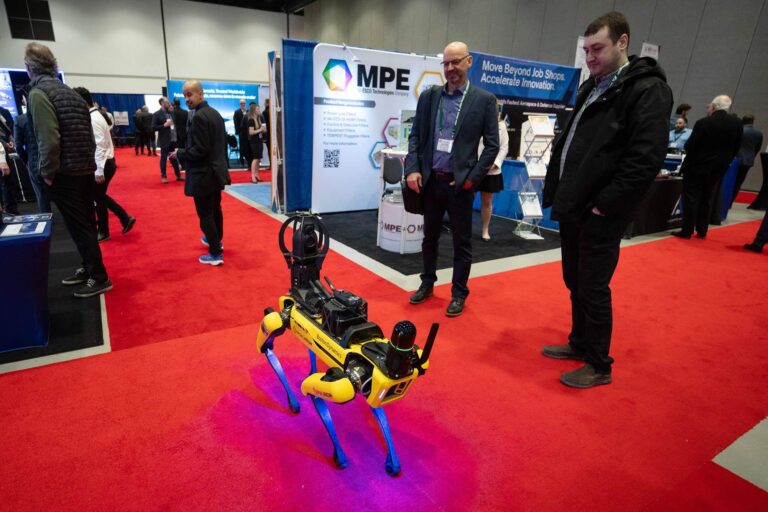
The brainchild of agrigenomics company NRGene Canada and Bühler, a Swiss agriculture firm, the new insect protein research facility is designed to help companies make the next big black soldier fly breakthrough. Here customers and prospective producers can evaluate performance of various black soldier fly strains, find the most efficient feed mixes and heat specifications, and test products before investing in a commercial operation.
“This can be a very easy step to assess whether your product streams have potential to be interesting to the insect industry,” says Nicolas Braun, business development manager at Bühler.
At the centre, prospective insect farmers will also be able to breed flies selectively by assessing the potential of various strains. That’s because not all black soldier flies are alike. Research has shown, for example, that the Wuhan black soldier fly can grow quicker and larger than other popular strains such as the Guangzhou or Texas black soldier flies. As a result, the names of several types of black soldier fly larvae are registered trademarks. Phoenix Worms for example, are marketed specifically for feeding animals like geckos and turtles, and have been trademarked in the U.S. since 2006.
These different strains also have different needs. “Some of the strains will develop better in a colder climate,” Braun says, while others are better adapted to certain feed mixes. Customers can hone this in at the centre in Saskatoon along with other specific nutritional, and environmental requirements before taking their product to market.
Braun says the future of the industry is all about specialization, whereas now, most players have to cover the whole production line themselves. That might mean producers specializing in an aspect of the process where they have an advantage, such as creating feed mix, rearing larvae, or acting as the “slaughterhouse” turning larvae into end products.
Wanger says that as the industry scales up, bigger companies will start to take interest. Purina or Mars, for example, can’t change a dog food line if they can only get 2,000 tons of larvae; they need hundreds of thousands of tons of product in order to pump out a critical mass of black soldier fly kibble for Canada’s 7.9 million dogs and 8.5 million cats. “We’re still quite a ways away from that,” Wanger says. “I’d like to see more of us in the market.”



Loading...
Thanks for sharing!
You have shared 5 articles this month and reached the maximum amount of shares available.
CloseThis account has reached its share limit.
If you would like to purchase a sharing license please contact The Logic support at [email protected].
CloseGift the full article!
You have gifted 0 article(s) this month and have 5 remaining.
Recipients will be able to read the full text of the article after submitting their email address. They will not have access to other articles or subscriber benefits.
Photo: Oberland/Handout
Oberland’s facility in Halifax, N.S. The company aims to produce 3,500 tons of dry protein and 9,000 tons of frass per year by 2025.
Black soldier fly larvae will eat just about anything and can grow to 8,000 times their size in just 10 days.
The North American Insect Center opened in Saskatoon in July 2024. The facility aims to help companies scale-up black soldier fly production.
Most Popular This Week




In-depth, agenda-setting reporting
Great journalism delivered straight to your inbox.
News
Canada’s oil majors eye the next production boom
Briefing
Celestica completes US$3.45B share sale to meet demand for data-centre equipment
Sun Life pitches itself on Wall Street as an alternative to Blackstone, Apollo
MDA revenue jumps 34% in Q2, raises full-year outlook
Best business newsletter in Canada
Get up to speed in minutes with insights and analysis on the most important stories of the day, every weekday.
Exclusive events
See the bigger picture with reporters and industry experts in subscriber-exclusive events.
Membership in The Logic Council
Membership provides access to our popular Slack channel, participation in subscriber surveys and invitations to exclusive events with our journalists and special guests.