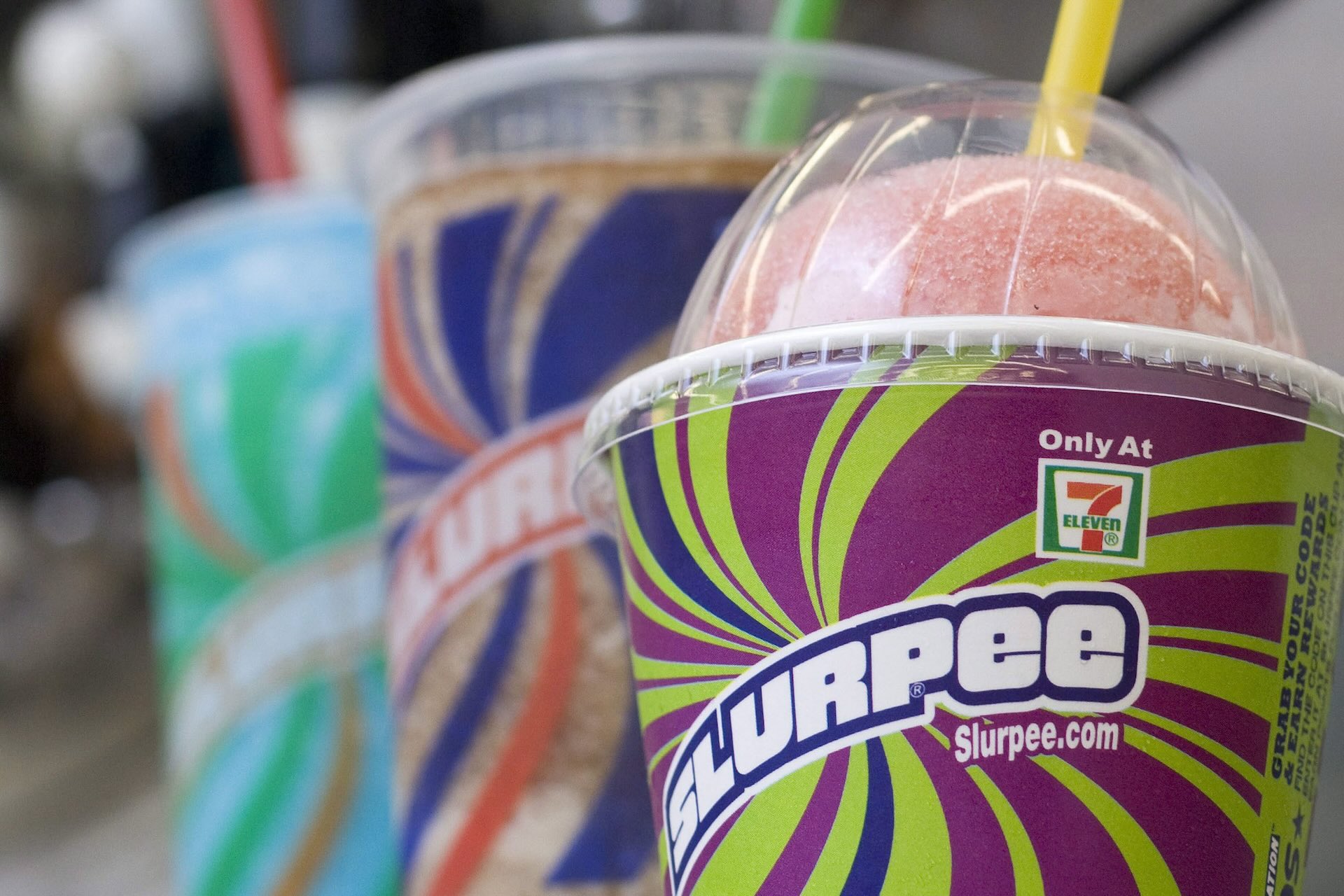
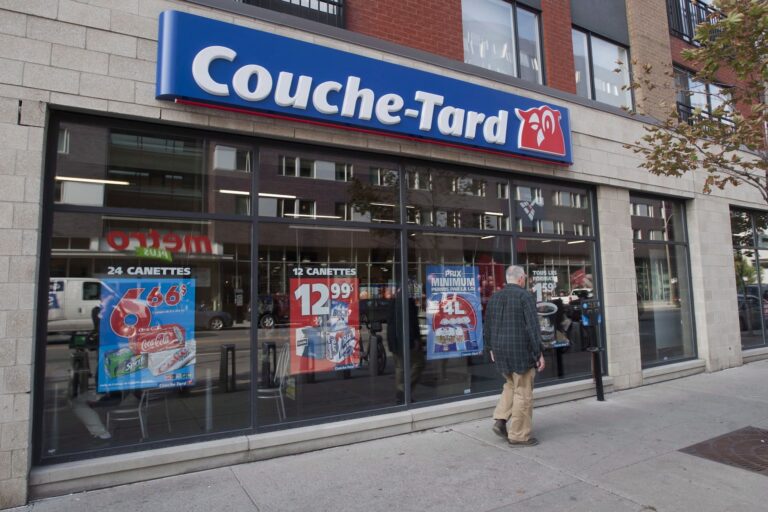
As Couche-Tard bids to buy its biggest rival, 7-Eleven, its shareholders gather on Thursday to pose elephant-sized questions about its ambitions.
How do they feel about the proposed deal? And do they have confidence in the company’s leadership to steer it through this next, possibly challenging phase of its existence?
Talking Points
- Couche-Tard’s shareholder meeting comes at a critical juncture for the Quebec convenience store giant, as it crowns a new CEO Alex Miller this week and tries to buy its biggest rival, 7-Eleven
- The board elected on Thursday will shepherd the bid to buy Japan-based Seven & i, while its third-ever CEO Miller must convince shareholders he can integrate two of the world’s top retailers
The proposed acquisition of 7-Eleven’s Tokyo-based owner, Seven & i, is not on the agenda for the annual meeting and earnings call. But it will surely be front of mind for stockholders as they vote on directors and crown a new CEO, Alex Miller, on Friday. Whoever is elected to the board of the Quebec convenience store giant will have the world’s eyes on them.
Talks have been ongoing since the company announced its “friendly” bid for Seven & i on Aug. 19. The Japanese retailer is reportedly seeking regulator protection through a “core” company designation under the local Foreign Exchange and Foreign Trade Act, but that may not stave off a foreign acquisition.
Couche-Tard, which has said it will not speak publicly on the deal and did not respond to a request for comment, is said to be in talks with pension funds and considering whether it could issue stock or take on debt to pay for Seven & i, which has a market capitalization of about $50 billion.
Nonetheless, the company’s shareholder letter said it’s committed to “financial prudence” as well as driving growth.
Smead Capital Management CEO Cole Smead, whose international value fund held nearly US$1.4 million in Couche-Tard shares as of its last report in June, said the company has historically been shareholder-friendly, keeping its word on past changes that have improved shareholders’ power.
His firm first took its small stake in Couche-Tard amid the fallout from its failed bid to buy French grocer Carrefour, and is surprised there hasn’t been more pushback from some Couche-Tard investors who count on the stock for steady returns and don’t want to see the company take more risk and leverage. Smead doesn’t share those concerns.
“We do think these are the right people that do these kinds of transactions,” Smead said.
After a brief spike, shares of the Quebec-based retailer have fallen about 10 per cent on the TSX since the takeover bid was announced. Meanwhile, Seven & i shares have reached near annual highs on the Nikkei.
Overall, Couche-Tard does have “considerable credibility on the financial markets,” said Louis Hébert, a professor at HEC Montréal who studies M&A, because they’ve paid back debt in the past, remaining resilient while making at least 40 acquisitions since 2010.
The leadership strategy is likely to continue under Miller, the third-ever CEO who has been groomed for the role for several of his 13 years with the company. Founder Alain Bouchard and outgoing CEO Brian Hannasch are nominated to stay on the board, alongside other incumbents. The newest board addition, former prime minister Stephen Harper, joined in March.
“They’ve got a pretty thick binder on how to acquire without having negative unintended consequences,” said Jim Danahy, CEO of the firm CustomerLab, which works with businesses to improve productivity, including with M&A.
That doesn’t mean the shareholder meeting will be a rubber stamp event. Shareholders’ proposals demand more action on ESG, and—owing to Couche-Tard’s French-Canadian roots—request that the company disclose the languages mastered by members of management.
“They’ve got a pretty thick binder on how to acquire without having negative unintended consequences.”
The bid for 7-Eleven means Miller may be tasked with not only integrating two of the world’s top retailers—but also generating cash to offset billions in potential debt or equity dilution. Some Seven & i shareholders are pushing it to respond to the offer by Sept. 19, citing “historic implications” of the deal.
Both Couche-Tard and Seven & i told shareholders over the past year that a path to growth would be to consolidate the U.S. market, which is still fragmented by lots of mom-and-pop bodega operations.
That profitability plan has pros and cons, analysts said. Consumers are already cutting back on core expenses like food and gas, and any further bumps in the economy could make it hard for Couche-Tard to repay debt, noted retail analyst Bruce Winder.
Such a large deal could attract both regulatory concerns and rival bids. While Japanese authorities have tried to encourage more M&A, The Japan Times deemed the takeover bid “audacious,” while Nikkei Asia cited concerns about whether Couche-Tard can afford it.
Convenience stores don’t gain much profit by using retail playbooks like closing stores and moving online, since they must be physically convenient, said Danahy. That means eking out profits in procurement negotiations—and, Winder added, merging with its biggest rival will give it lots of negotiating power.
“They are,” said HEC’s Hébert, “an organization made for acquisitions.”