For the seventh year running, The Logic has scoured Canada’s top-ranked engineering and computer science universities to find emerging leaders in the innovation economy.
Some of this year’s top graduates are working on building, scaling and solving challenges in the technologies of the future, from artificial intelligence and robotics to deep space exploration and cleantech. They are also leaders at their schools and in the wider community, championing initiatives that advance diversity and inclusion in STEM (science, technology, engineering and math) and uplift students via mentorship and mental health and wellness programs. Several of this year’s top prospects will be starting new chapters at U.S. tech giants including Apple, SpaceX and Nvidia.
In alphabetical order, here are 12 of Canada’s leading innovators from the Class of 2024:
Areena Akhter
- School: University of Waterloo
- Program: Computer science
- Employment status: Drafted by Apple
Akhter will be moving to San Francisco to rejoin Apple’s photo storytelling team as a software engineer, after interning there in 2023. “I hope it will be a season of settling into the self I have always dreamt of becoming: a writer, a storyteller, an AI engineer, creator and inventor,” Akhter wrote on Medium. Akhter’s undergraduate career and internships have been focused on designing AI tools and algorithms through a human-centred lens. She worked as a front-end engineer focused on AI solutions for Uber Eats; conducted machine learning experiments for Bloomberg Law’s search intelligence team; and worked as a senior data-quality specialist for Toronto-based AI firm Cohere.
At the University of Waterloo, Akhter said she is proudest of her capstone project that examined how to leverage large language models (LLMs) to help redact sensitive information from refugee court documents. She co-founded Code Queens, an Ottawa-based initiative in partnership with Shopify and Nokia that aims to encourage middle school girls to engage in STEM. She was also the director of outreach for UWaterloo’s Women in Computer Science club.
Sky Bjel
- School: McMaster University
- Program: Electrical engineering
- Employment status: Re-drafted at McMaster
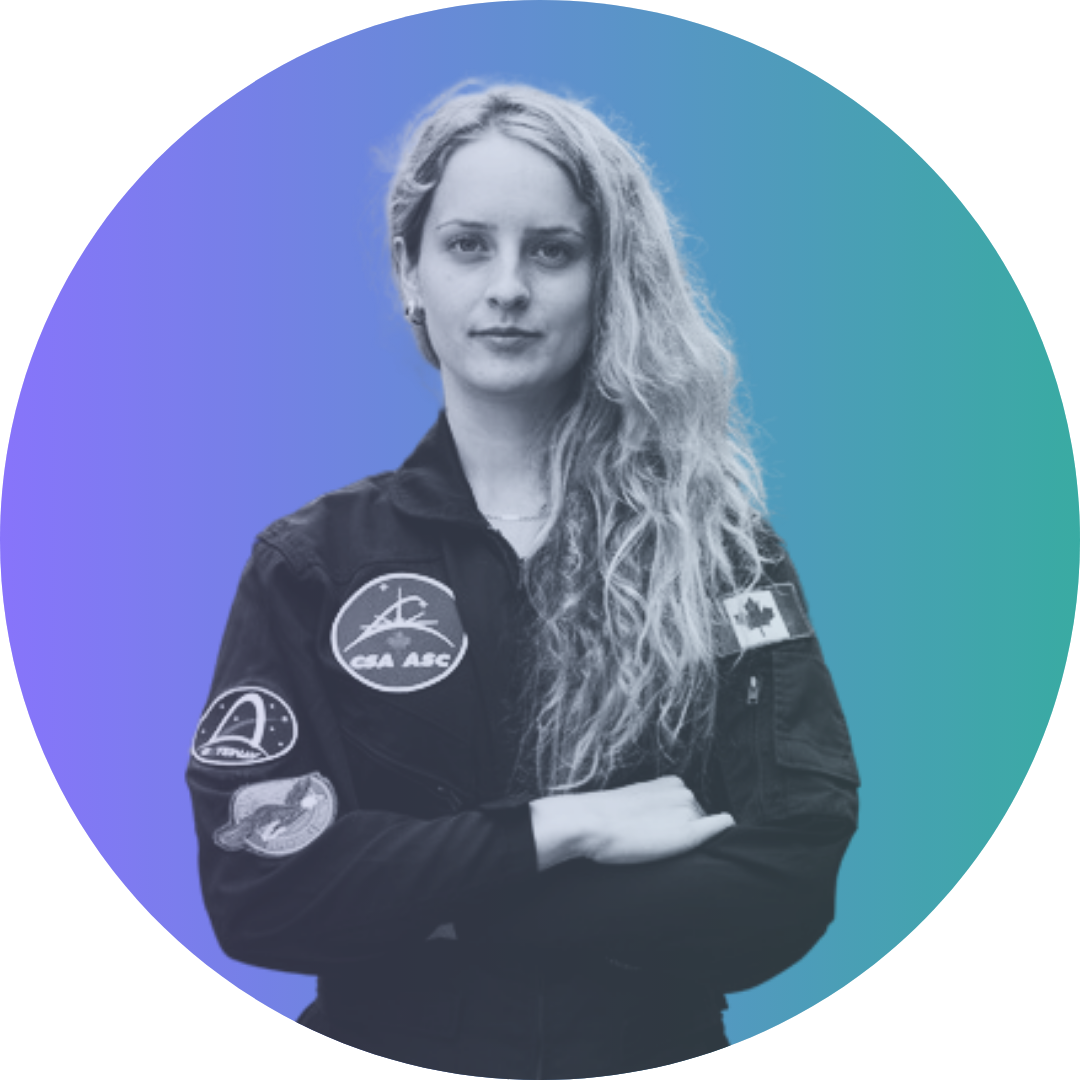
Growing up with a prosthetic arm inspired Bjel to create Project HERA (Humanoid Experimental Robot Arm), which aims to develop a bionic arm for astronauts with prosthetics. “My unique perspective is a powerful tool [that] has only driven me to explore different ways to do things to make aerospace more inclusive,” Bjel said.
At McMaster, Bjel founded and was president for the university’s Deep Space Analogue Research Expedition Team, which conducts novel engineering research through expeditions in areas that simulate a chosen planet’s conditions in deep space. She also led the club’s experimental reduced-gravity team.
In 2023, Bjel represented Canada at the European Space Agency mission operations training course, and was awarded the Hamilton International Airport Royal Canadian Air Force Foundation Scholarship, which recognizes post-secondary excellence and leadership in aviation and aerospace.
Fresh off an internship as a robotics and space operations software engineer for MDA, a Canadian space technology firm, Bjel will continue her work as an undergraduate robotics researcher at McMaster until the fall and is set to graduate by the winter.
Maria Calderbank
- School: McGill University
- Program: Mechanical engineering
- Employment Status: Entrepreneur
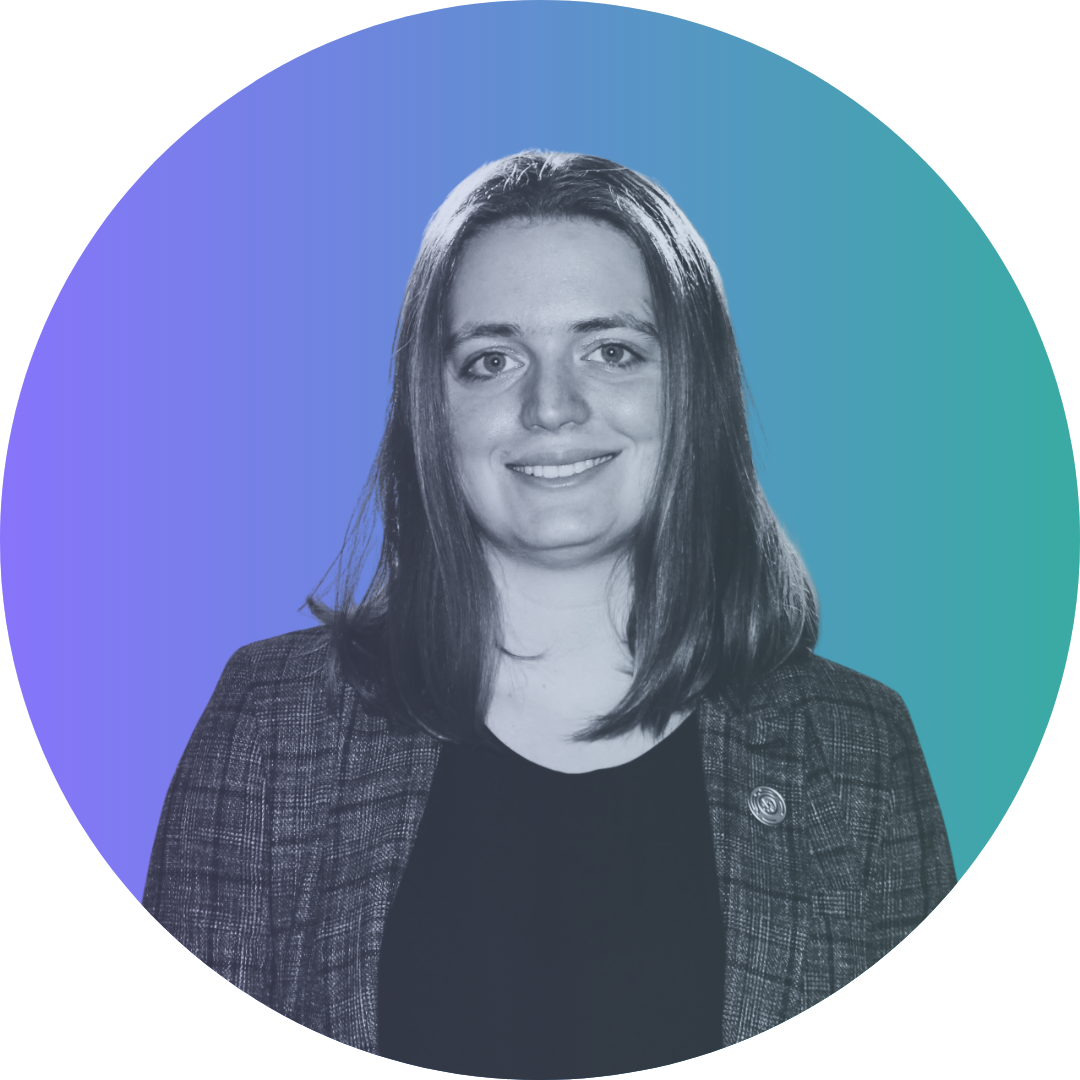
Calderbank is the CEO and co-founder of Fulcra, a healthtech startup that is developing a soft exoskeleton to help wearers manage chronic lower-back pain. Fulcra was Calderbank’s capstone project that won several awards, including the Canadian Society for Mechanical Engineering’s National Design Competition for technical excellence.
At McGill, Calderbank served as the co-founder and co-president of the school’s Biomechanics Club alongside Fulcra co-founder Roseline Théroux; the club is also creating a different exoskeleton that suppresses tremors to support individuals affected by Parkinson’s disease.
Helen Charlotte Engelhardt
- School: University of Waterloo
- Program: Nanotechnology engineering
- Employment status: Drafted by Oxford University
This fall, Engelhardt will begin her journey as a Clarendon scholar for Oxford University, where she will pursue a PhD in Materials and study earth-abundant catalysts for green hydrogen production.
At the University of Waterloo, Engelhardt worked on energy storage and battery recycling, emissions reduction, and mRNA vaccine manufacturing solutions. Her research has been published in multiple scientific journals. For her capstone project, Engelhardt created a working prototype that was able to remove 98 per cent of microplastics from drinking water. As a research and development intern at SiTration, a critical minerals recycling startup launched by and based in an MIT lab, she focused on electrochemical battery recycling using nanoporous silicon membranes—specifically, to separate cobalt and nickel from mine tailings and battery waste.
At the National Research Council’s Quantum and Nanotechnologies Research Centre, where Engelhardt completed a co-op term as a research assistant, she studied battery materials for use in extreme environments. She also co-founded the Canadian Conference on Diversity in Engineering at UWaterloo. Ultimately, Engelhardt aims to design nanomaterials for the conversion of CO2 into fuel. “I have a strong innate drive … not only to do research, but also to be part of the movement to translate [it] into real action,” she said.
Anushka Khare
- School: University of Alberta
- Program: Computer engineering
- Employment status: Drafted by Microsoft
Khare is heading to Seattle this summer to work for Microsoft as a security program manager on its enterprise security team. During her internships with companies like BlackBerry, Microsoft, Trans Mountain and Iron Spear—a Canadian cybersecurity advisory firm—Khare engaged in a range of work, helping develop cybersecurity controls and policies, conducting security and threat risk assessments, and testing data loss prevention solutions.
The University of Alberta awarded Khare with the 2022 William Muir Edwards Citizenship Award for her entrepreneurial initiatives. Khare developed two apps during her undergraduate years: one that helped people living with Alzheimer’s with route planning and location tracking; and Eevee, a peer-to-peer rental space platform that won the Enactus UAB Pitch Competition 2022 and secured a seat in the League of Innovators’ Labs accelerator. She volunteered with the school’s Engineering Students’ Society, CompE Club and STEM Fellowship, where she mentored computer engineering students.
Khare is currently working on human-resources software for small businesses and startups. In the long term, she hopes to continue pursuing cybersecurity and entrepreneurship to develop solutions for small businesses and critical infrastructure like hospitals and schools that “are easy targets for hackers but may not have adequate cybersecurity resources.”
Liam Krebbers
- School: University of British Columbia
- Program: Mechanical engineering
- Employment status: Drafted by Princeton University
Krebbers began working at UBC’s Combustion for Propulsion and Power Laboratory studying aircraft engines and novel fuels two years ago. Last summer, when Krebbers mentored Devon Hawley, a new student in the lab, they developed an actively controlled burner that has the potential to make natural gas and hydrogen burners quieter and safer. That research has been published in two journals. Krebber’s work has the potential to be commercialized by utility giant FortisBC.
While at UBC, Krebbers received 17 scholarships and awards, including the Governor General Medal and the UBC’s Rising Star award, and spoke at three conferences on alternative fuels for aircraft engines and power plants. Krebbers has worked with the B.C. Children’s Hospital since he was 10 years old—when he was hospitalized after experiencing a traumatic brain injury that caused him to miss two years of school—through speaking engagements and fundraisers for the hospital. Krebbers was awarded the B.C. Children’s Hero of Ability award in 2016.
He received a major entrance scholarship from Princeton University, where he will be heading in the fall to pursue a PhD in mechanical and aerospace engineering.
Jake Sprenger
- School: University of Toronto
- Program: Electrical engineering
- Employment status: Drafted by SpaceX
Throughout Sprenger’s undergraduate studies, he has played a big role in the University of Toronto’s Formula Racing team, an experience he calls “transformative.” As team captain, Sprenger led the design and development of UT22—the team’s first fully electric vehicle. This year, the team finished first in the Formula SAE race in New Hampshire, with Sprenger serving as the electrical technical director.
Last August, he completed a 12-month co-op with Jaguar TCS Racing in the United Kingdom, where he helped design and develop powertrain motors and inverters for Formula E electric vehicles. He also previously interned at Tesla on the vehicle software team.
He is the primary inventor on two patents pending: one is a high-performance electric current sensor developed for Jaguar TCS Racing, and another is magnetic sensing techniques for a medical application for Johnson & Johnson MedTech.
Sprenger will start work at SpaceX’s headquarters in Los Angeles in August. At Elon Musk’s rocket and spacecraft company, he will be working in the power electronics division supporting the company’s joint NASA moon missions.
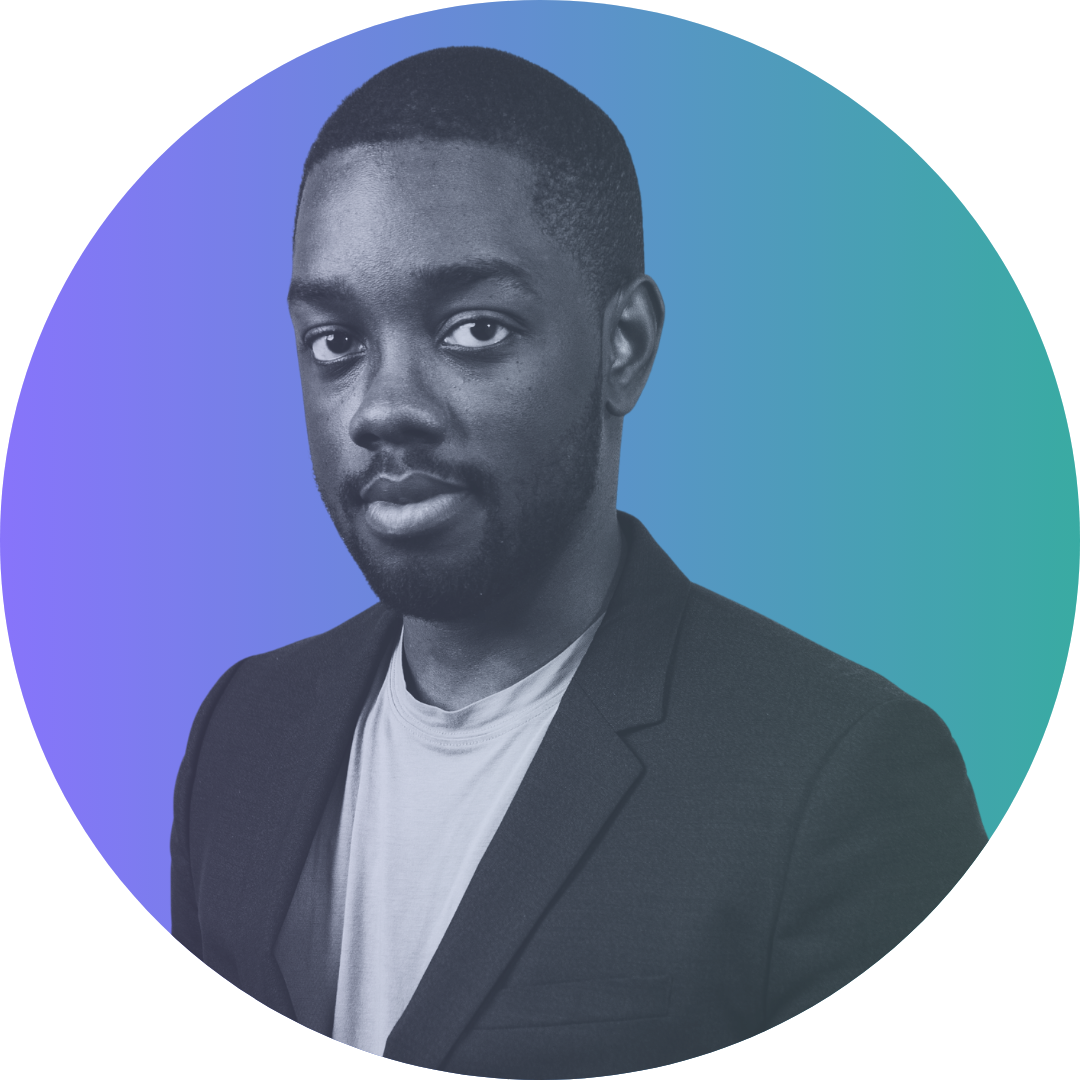
Chetachi Ugwu-Ojobe
- School: University of Toronto
- Program: Engineering science
- Employment status: Drafted by Microsoft
Ugwu-Ojobe, who left Nigeria in 2019, says he has embraced his time as an international student in Toronto where “there are a lot of experiences … that I could have never had back home.” While studying engineering science at the University of Toronto, Ugwu-Ojobe participated in an array of practical extracurriculars—including joining the school’s aerospace team, where he helped lead an electrical design group tasked with creating electric, radio-controlled aircrafts.
He also served as the school’s chapter president for the National Society of Black Engineers (NSBE). Ugwu-Ojobe organized NSBEHacks 2022—the first-ever student-run Black hackathon in the Greater Toronto Area—and mentored Black high school students through the University of Toronto’s Blueprint engineering mentorship program. Ugwu-Ojobe is relocating to Vancouver, where he will be joining Microsoft as a software engineer in its Windows and devices department working on improvements like AI integration.
Anthony Uyende
- School: University of Montreal
- Program: Mathematics and computer science
- Employment status: Entrepreneur, re-drafted by University of Montreal
Uyende participated in the University of Montreal’s Millennium Quebecor entrepreneurship program, where he developed Brilify, an edtech startup that uses large learning models to provide instant tutoring help to students, assist teachers in creating content and grading homework, and offer insights and suggestions for parents. He has also interned at Canadian tech companies like Shopify, Wealthsimple and Unity, and at Air Canada’s pension investment firm Trans-Canada Capital, focusing on data science and data engineering. At Shopify, Uyende built an analytical framework that he says the team still uses to assess merchant interactions with the platform. The University of Montreal awarded Uyende with the African Scholarship for Students.
Upon graduating this fall, Uyende plans to continue working on Brilify and will pursue a master’s degree in data science at the University of Montreal starting in winter 2025.
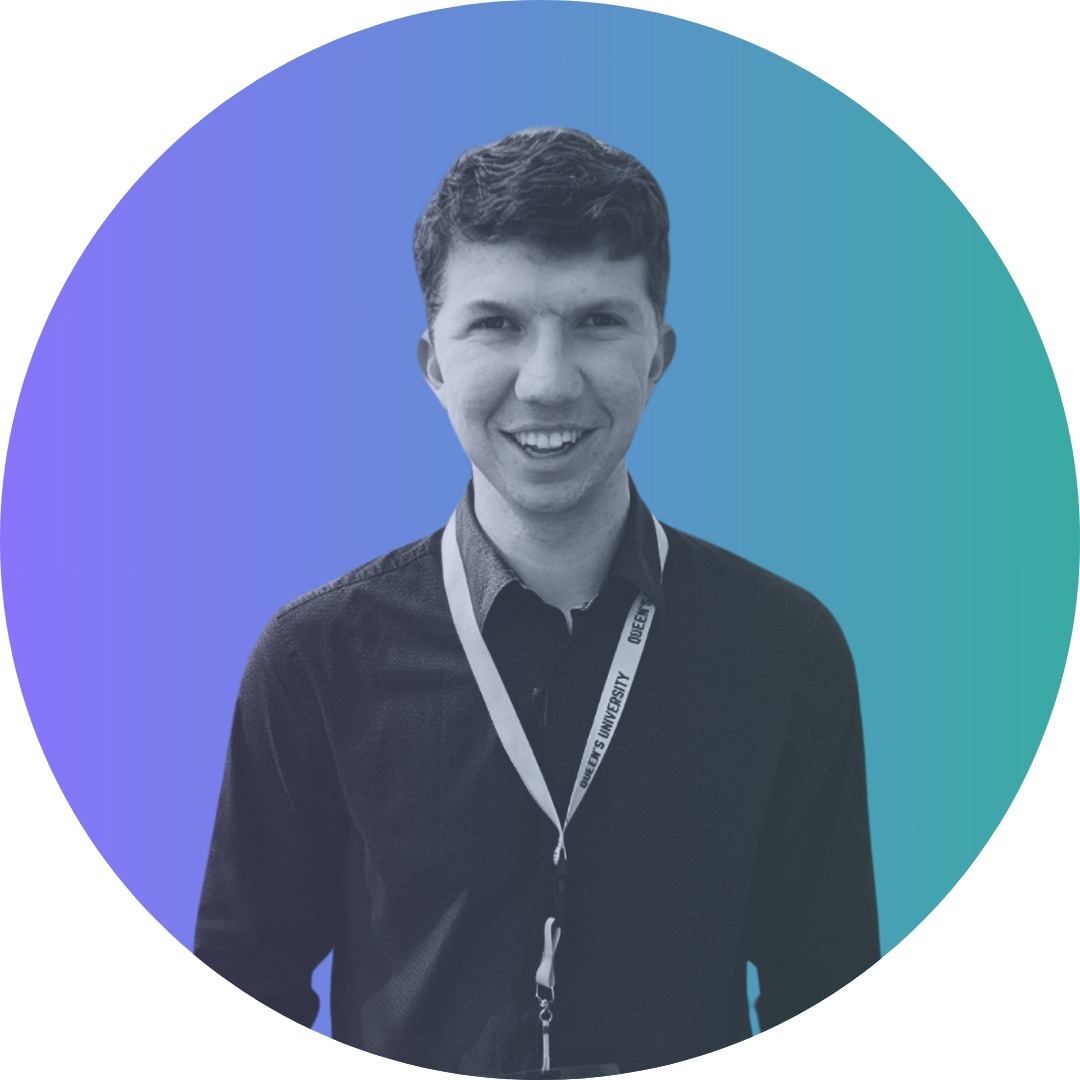
Dalena Phan Vo
- School: Queen’s University
- Program: Mining engineering
- Employment status: Undrafted
At Queen’s, Vo spearheaded diversity and leadership programs in engineering. She was a research assistant with Queen’s school of engineering, where she co-led a study on gender-based career trajectories and retention in mining engineering. Vo served as the equity, diversity, inclusion and indigeneity lead for TEDxQueensU, where she launched an Indigenous art exhibition. Through the charity Engineers of Tomorrow, Vo mentored kindergarten and middle school students to promote interest in the field, and designed STEM workshops with a focus on diversity and inclusion, like constructing homes inspired by their own cultural heritage. In 2021, Vo received the Queen’s Women in Engineering and MiHR Grant and the Engineers Canada Leadership Scholarship.
She spent 15 months with Canadian Natural Resources as a mine projects and costing intern, where she helped with designing mine projects and managing the $140-million capital expenditure budget for the Albian Sands project. Vo worked as a project manager for Queen’s University’s engineering design department, overseeing first-year teams developing decarbonization-focused iron and nickel ore extraction solutions.
Brody Wells
- School: University of Calgary
- Program: Computer science
- Employment status: Re-drafted by the University of Calgary
This year, Wells will research extended-reality applications for neurology at the University of Calgary’s Serious XR Lab. Wells is exploring the use of the tools to improve neurologists’ ability to evaluate medical data—such as magnetic resonance imaging (MRI) and electroencephalogram (EEG) data—for epilepsy patients.
He developed a prototype that allowed collaborating neurologists to view a 3D model of patients’ brains and interact with it in a mixed-reality space, using their hands to move it rather than a mouse or keyboard. His research is funded by the Alberta Innovates summer research studentship grant.
Wells will begin his master of science at the University of Calgary this fall.
Zoey Zhang
- School: University of Waterloo
- Program: Biomedical engineering
- Employment status: Drafted by Nvidia
Zhang, who majored in biomedical engineering, has been hired by Nvidia as a technical marketing engineer focusing on advancing their machine learning tools. She previously spent two co-op terms working with the Silicon Valley semiconductor giant, where she helped build the company’s first hands-on lab for medical imaging.
Zhang’s UWaterloo years reflect her commitment to fostering a more inclusive engineering ecosystem. As the vice-president of advocacy for the Canadian Federation of Engineering Students and co-chair of the 2023 Conference on Diversity in Engineering, she worked with faculty to launch the university’s first mental wellness survey and to improve diversity and inclusion in the university’s engineering school. She was awarded the Pearl Sullivan Emerging Global Leaders Award for her efforts to advance representation in engineering.
In her internships at companies like Questrade, Census and Autodesk, Zhang has focused on software engineering and machine learning. She has held two undergraduate research positions in which she developed neural networks and generative AI models to produce biologically accurate samples of breast cancer MRIs.
In the near future, Zhang aims to complete her master’s degree in biomedical engineering. She also hopes to one day build novel health-care diagnostic tools.
Correction: This story has been updated to reflect that Dalena Phan Vo helped to design mine projects and manage a $140-million capital expenditure budget for the Albian Sands project while at Canadian Natural Resources.