Listen Now
0:00
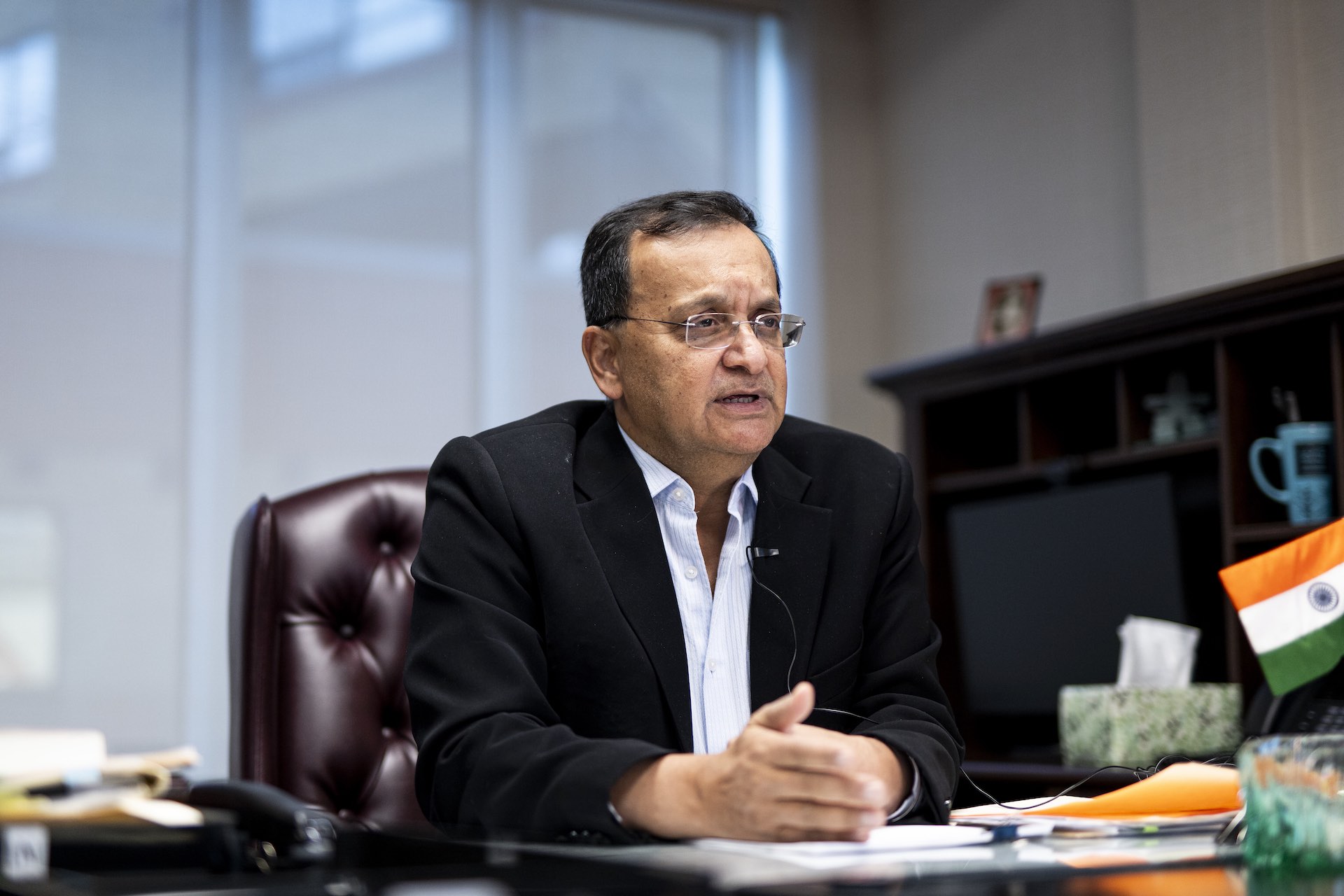
OTTAWA — Canada and India are on track to wrap up talks by December on a trade deal addressing everything from food exports to financial services, but New Delhi’s envoy to Ottawa says the agreement must reflect the massive difference between the size of the two economies.
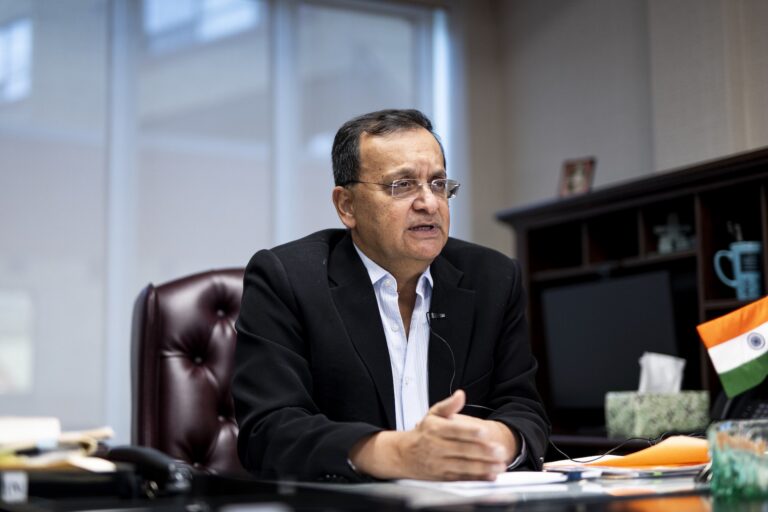
“I always say negotiations move at the speed of trust, and so if there is a lot of trust between both sides, negotiations move very fast,” Dinesh K. Patnaik, the high commissioner of India to Canada, said last week in an interview with The Logic. “I think the trust has built up.”
Talking Points
- India’s Prime Minister Narendra Modi is looking to visit Canada in mid-December as Ottawa and New Delhi are on track to conclude negotiations on a trade deal this year
- India’s top envoy to Canada says negotiators are working to resolve differences in economic size and tariff structures, including India’s high duties on pulse crops like lentils and peas
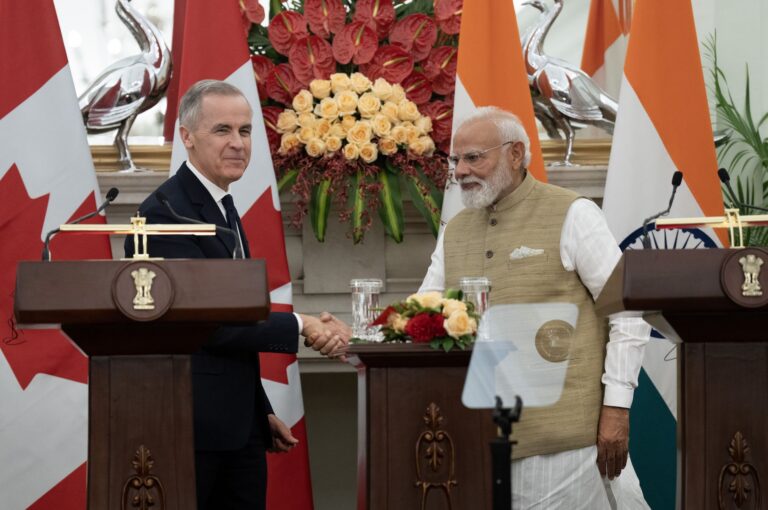
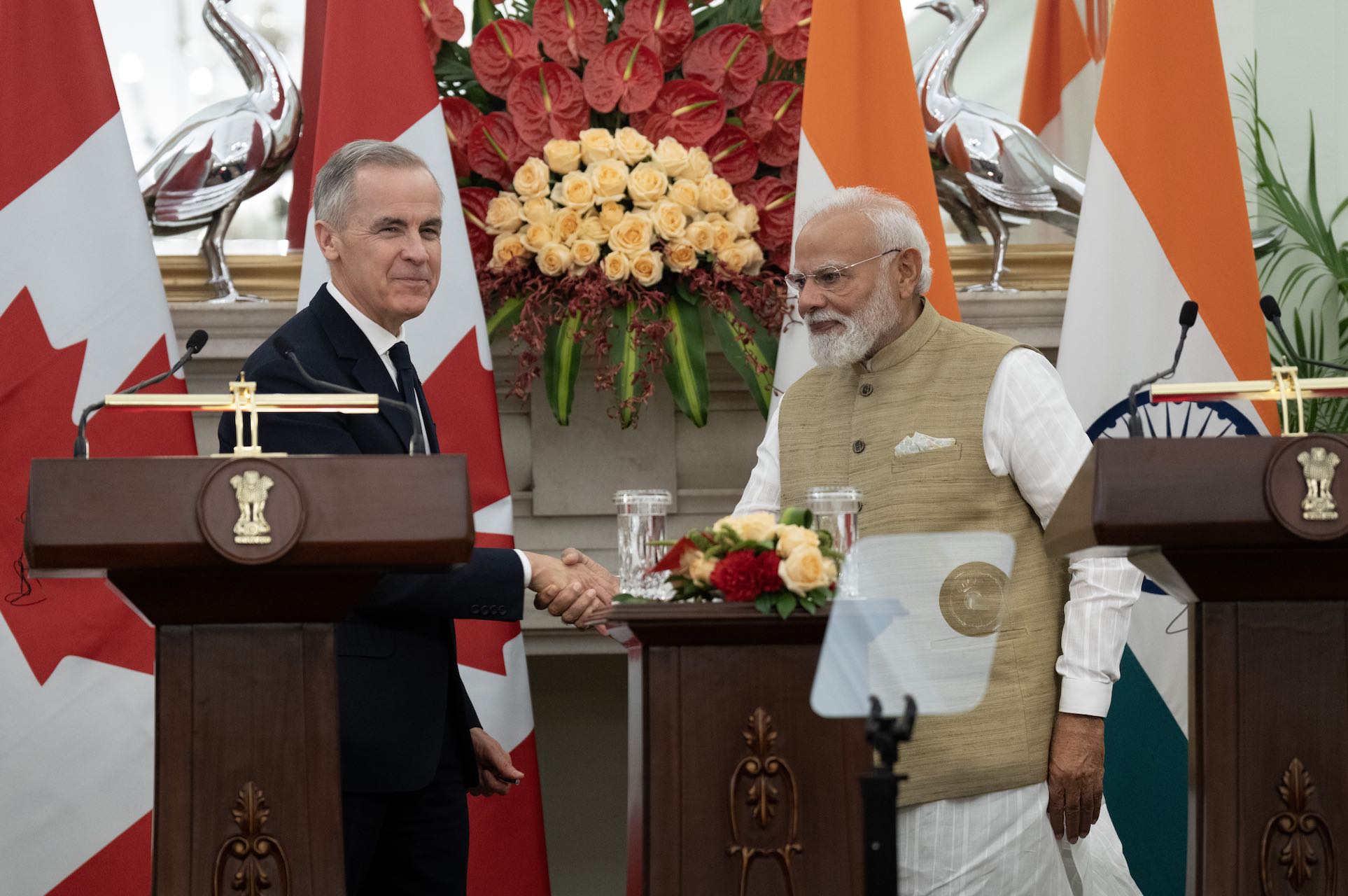
Last November, Prime Minister Mark Carney and India’s Prime Minister Narendra Modi announced the relaunch of negotiations for a Comprehensive Economic Partnership Agreement (CEPA) when they met at the G20 summit in Johannesburg. By the time Carney travelled to New Delhi in March, the two leaders were confident enough to say talks would wrap this year.
It is an ambitious goal. Trade negotiations began in 2011, but they have gone in fits and starts. Relations entered a deep freeze after then-prime minister Justin Trudeau accused India’s government of orchestrating the 2023 killing of a Sikh activist, who was a Canadian citizen, in British Columbia. India has denied involvement. Ottawa had paused trade talks a few weeks before Trudeau dropped the bombshell news. The fallout included the tit-for-tat expulsion of diplomats.
Now that we are just over three months away from changing the calendar, Patnaik said both countries are on track. Carney has invited Modi to visit Canada before the end of this year, which the envoy said would be the ideal occasion for a signing ceremony. No firm date has been set, but Patnaik said India is planning for the second week of December.
Related Articles
Canada’s International Trade Minister Maninder Sidhu travelled to Mumbai last week before heading to Manila for a gathering of ministers from the Association of Southeast Asian Nations (ASEAN). Ottawa is also negotiating deals with the Philippines and the ASEAN bloc.
The Liberal government hopes a deal will double bilateral trade to $70 billion annually by 2030, after a period of slower-than-expected growth in trade between the two countries. Canada exported less than $4 billion worth of goods to India in 2025, while India’s merchandise exports to Canada amounted to about $7 billion last year. Canada’s exports in services reached $15 billion in 2025. Growth in this area has been driven by international students, so it has begun to slow since Canada moved to limit the number of study permits it issues.
Sorting through the ‘mismatch’
As trade negotiators held a fourth round of talks in New Delhi last week, Patnaik characterized any remaining gaps as a matter of nuance rather than dispute. He would go into detail about those sticking points, but dropped some hints as to what negotiators are working to resolve.
One is the scope of the deal. “We want it to be as comprehensive as possible, covering all aspects of trade relations, people movement, financial investment, everything to do with a comprehensive economic package. It’s not just a free trade agreement,” said Patnaik.
New Delhi wants some recognition of the “mismatch in the size of the economies,” he said. Canada’s nominal GDP today is about US$2.5 trillion, compared to US$4.2 trillion for India. The South Asian country has the fifth-biggest economy in the world, and it is growing quickly. By 2050, its real GDP is projected to surpass US$22 trillion. Canada’s will remain a fraction of that, “even if it does everything very well,” Patnaik said.
That means there is asymmetry in the size of the market each country would access under a comprehensive agreement, especially given Canada’s population is a drop in the bucket compared to India’s 1.4 billion people. The different stages of each economy are also a factor, Patnaik said, especially when it comes to tariff rates. “Most of your base tariffs are very low across the world,” he said. “We are a developing economy where our tariffs are high to protect our own. And so when we come down, we expect a similar large comedown from the Canadian side.”
Agriculture
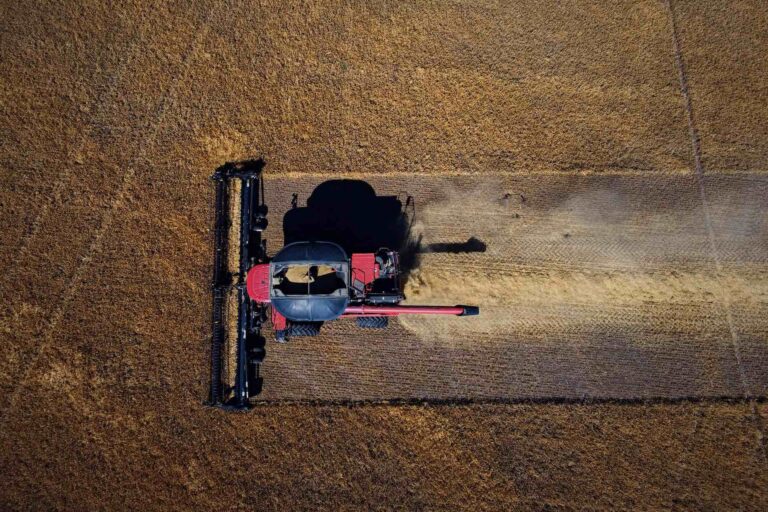
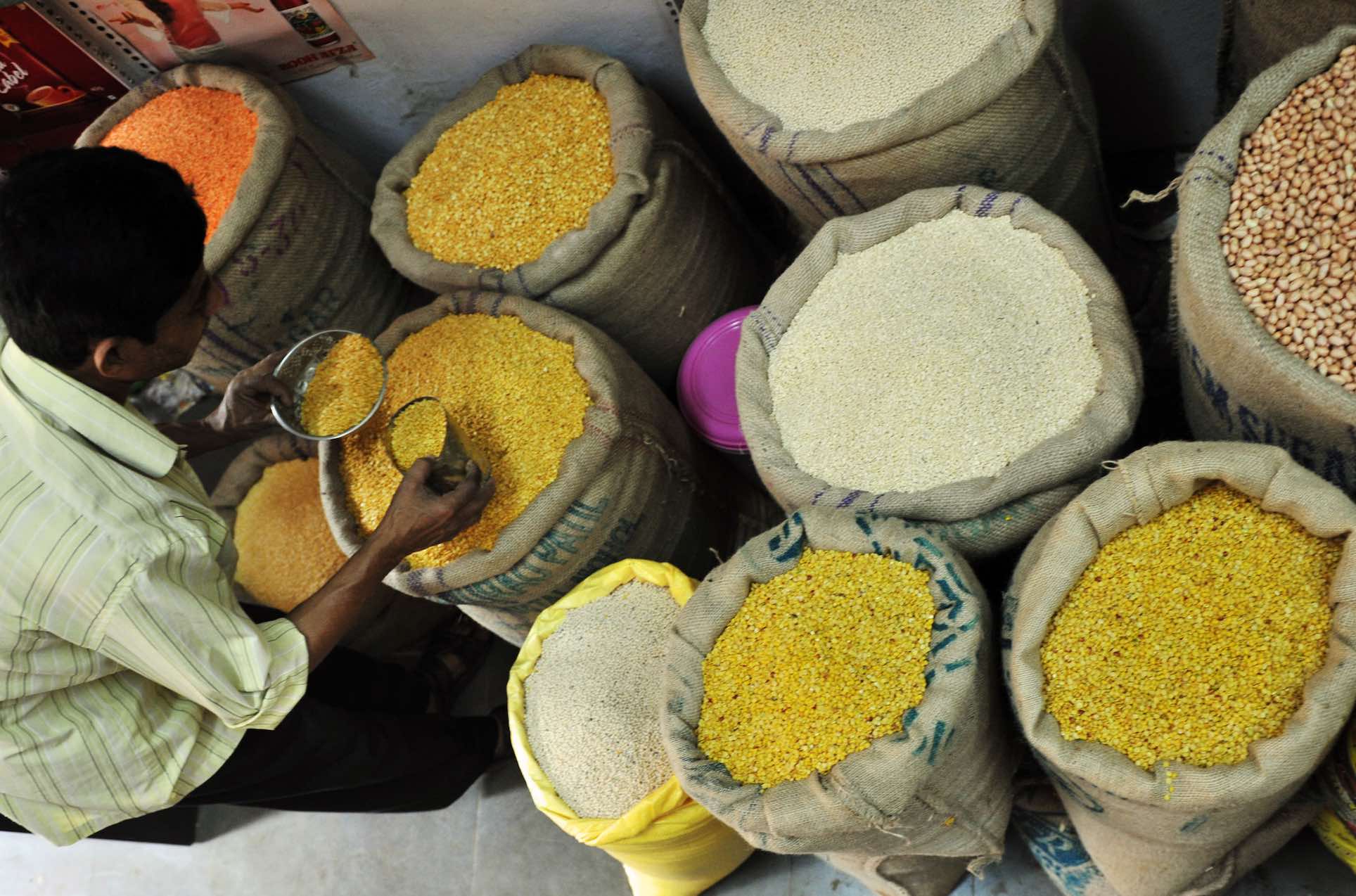
India is the world’s largest producer of pulse crops, such as lentils, dried peas and chickpeas. With nearly 40 per cent of its massive population identifying as vegetarian, it is still a net importer of pulses. “In most other countries in the world, when you become richer, you have more meat on the table. In India, when you become richer, you have more pulses on the table,” Patnaik said. Canada is India’s second-largest foreign supplier of pulses, especially Saskatchewan.
Yet India imposes high duties on many agricultural products from Canada, including 10 per cent on lentils. It reinstated a 30 per cent tariff on yellow peas last year. Patnaik voiced doubt as to how far New Delhi could move on those tariffs, pointing to pressure for price stability among the country’s many subsistence farmers. “Agriculture is a politically highly sensitive market,” Patnaik said, which New Delhi “has no option but to be very careful about.” Thousands of farmers in India die by suicide every year, which has been linked to crushing debt.
To support key parts of the sector, India has a “minimum support price” system that extends to pulse crops, and whose goals reflect those of Canada’s supply management system for dairy, poultry and eggs, even if the mechanism is different. As a result, India occasionally adjusts its duties on pulse crops. In recent years, the country’s farmers have held massive protests in recent years to push for laws to protect the policy.
For the Canada-India trade deal, Patnaik said, India is looking at some kind of tariff quota system to let in a certain volume of Canada’s agricultural products. “Anything beyond that, given conditions, would attract some tariff,” he added. “The whole purpose of CEPA is to have a credible, predictable and consistent system, where farmers, exporters, importers and business people can plan for the future.”
Critical minerals and mining
In March, India sent a delegation to the Prospectors and Developers Association of Canada conference in Toronto the same week that Carney was visiting Modi in New Delhi. At next year’s edition of the event, Patnaik said he expects Indian firms interested in graphite, nickel, zinc and other critical minerals to be much closer to signing deals. India is pitching itself as a major centre for low-cost processing.
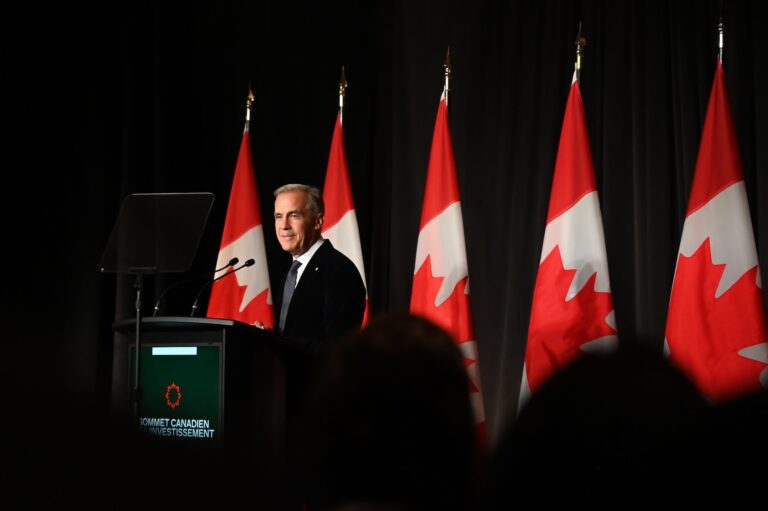
Canada’s ongoing reforms to its regulatory approval processes can boost the appeal, said Patnaik, who had meetings in Toronto last week during the Canada Investment Summit. Indian firms had become “a little wary” of equity investments in Canadian mineral development, he said, given requirements such as environmental impact assessments, consultations with First Nations and reviews by multiple levels of government. He said India’s investors are, however, willing to sign off-take agreements—that is, contracts to buy portions of projects’ future output—that can help get projects off the ground. He hopes they can do more than that soon. “Indians are ready to be equity investors,” he said. “We just need the situation to be such that the investors have a little more trust that things will move fast.”
Canadian direct investment in India grew to $11.4 billion in 2025, while India’s direct investment in Canada amounted to $2.1 billion. Patnaik said the agreement being negotiated now will not specifically address investment protection. Canada and India are also negotiating a Foreign Investment Promotion and Protection Agreement, which he said would come later.
The current deal will address ways to boost co-operation in the financial services sector, including payments modernization, which Finance Minister François-Philippe Champagne discussed with his Indian counterpart, Nirmala Sitharaman, in Toronto last month.
Energy
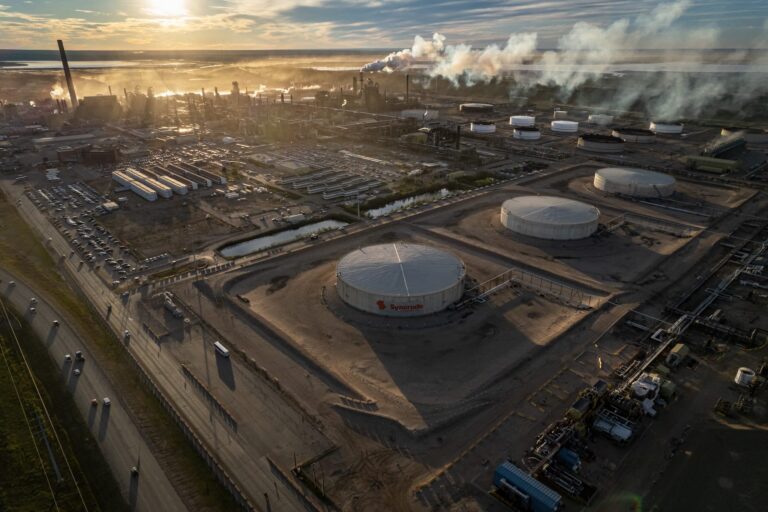
India’s population growth is expected to boost demand for energy by 70 per cent by 2040. On a visit to the country in January, Natural Resources Minister Tim Hodgson issued a joint statement with his counterpart that said India could offer Canada “a natural and symbiotic partnership” as it looks to increase exports of liquefied natural gas, crude oil and liquefied petroleum gas (LPG) to Asia.
Much depends on Canada getting more petroleum to Pacific ports, but the high commissioner said he has high hopes for moving quickly on LPG, which most households in India use for cooking. India imports 60 per cent of the world’s supply of LPG, and nearly all of it has until recently come through the Strait of Hormuz, which shut down after the U.S. and Israel began the war against Iran. “That was the one which we were very worried about,” he said. India wants to sign long-term deals with Canada to ensure a stable supply.
It already has one for nuclear energy. In March, Saskatoon-based Cameco signed a $2.6-billion deal to supply uranium to India. Patnaik said the country would welcome a lot more. “We can easily, if there is enough uranium available, go up to whatever figure you want,” he said.
A changing world
Canada’s push to diversify its trading relationships amid U.S. tariffs was a factor in restoring diplomatic ties with India. But Patnaik noted that discussions began with addressing the Indian government’s concerns about security—specifically, New Delhi’s perception that Canada had become a haven for extremists in the Sikh separatist movement. In October 2024, however, the RCMP alleged that Indian diplomats and consular officials were the ones getting in the way of collaboration on combating violent extremism by engaging in clandestine activities linked to criminal activity in Canada. Patnaik, like his government, framed the issue as being about transnational organized crime—not politics. “Canadians are finally cracking down,” he said.
He said the relationship between security agencies has since come a long way. “The first talks between us were not economic talks, but security talks,” he said. “We wanted to make each side feel comfortable that if you talk to each other, we can resolve most of your problems.”
He thinks that Canada and the U.S. will be able to work things out—and issued a gentle warning that the rest of Ottawa’s international trade agenda might depend on it, given duty-free access to the U.S. market remains a big incentive for businesses to set up shop in Canada.
“You can have diversification. You can work with us, and we are ready to work with you,” he said. “But the Canada-U.S. relationship will continue to be the determining factor, and so for a large number of investors and people who want to do business with Canada, that is an important aspect. So Canadians have to keep that in mind as they go forward.”