Amazon, Meta and Twitter held their annual meetings this week, where they faced a large number of shareholder proposals on environmental, social and governance issues. Nearly all of those resolutions failed to gain majority support, according to preliminary voting results. Here’s what you need to know:
Skip to content

News
Shareholder challenges at Amazon, Meta and Twitter fail to gain majority support
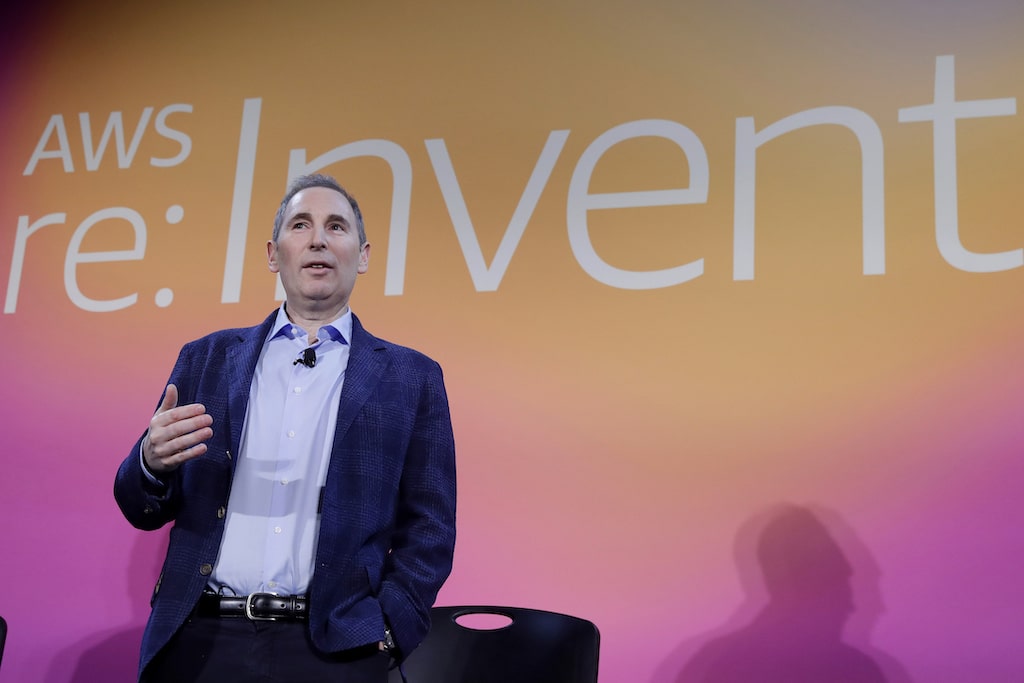
AWS CEO Andy Jassy, discusses a new initiative with the NFL during AWS re:Invent in Las Vegas, in December 2019. Photo: Isaac Brekken/AP Images for NFL, File
Amazon, Meta and Twitter held their annual meetings this week, where they faced a large number of shareholder proposals on environmental, social and governance issues. Nearly all of those resolutions failed to gain majority support, according to preliminary voting results. Here’s what you need to know:
Meta Platforms: The Facebook parent company faced a barrage of complaints from shareholders at Wednesday’s meeting, claiming its role spreading misinformation and hateful content undermines democracy, inspires violence and harms children. Still, the majority of votes opposed all 12 shareholder proposals that would address many of those concerns. While shareholder proposals rarely glean more than 50 per cent support, such results are nearly impossible at Meta, where CEO Mark Zuckerberg’s outsized voting power allows him to veto any proposal.
Twitter: Most investors in the social media platform supported two of the firm’s five shareholder proposals. They voted in favour of creating reports on electoral spending and risks of using concealment clauses—such as arbitration, non-disclosure or non-disparagement agreements—which limit employees’ ability to discuss issues like workplace harassment and discrimination. (Shareholders voted against a similar proposal at Meta.) The other three proposals failed, including one seeking a report on lobbying spending. Shareholders also voted against re-electing Silver Lake managing partner Egon Durban to Twitter’s board. Durban is a longtime associate and ally of Elon Musk, who’s planning to buy Twitter for US$44 billion.
Amazon: Shareholders voted against all 15 resolutions at Amazon on Wednesday, which included proposals to improve workers’ health and safety, increase their representation on the board, as well as improving transparency around the company’s lobbying and charity activities. At least one shareholder group whose resolution failed said it plans to resubmit the proposal calling for an audit on warehouse worker wages and conditions.
What it means: Shareholder proposals rarely get majority support, so the results aren’t a surprise, according to Michael Passoff, CEO of Proxy Impact, a shareholder advocacy organization. They also don’t necessarily mean that pressure is easing on ESG issues. Since the votes are non-binding, surpassing 50 per cent approval is a symbolic threshold. “Resolutions are meant as a message to management and often 10 per cent is enough to get a response,” Passoff said in an email to The Logic. Jamie Bonham, director of corporate engagement at NEI Investments in Vancouver, said that issues with minority shareholder backing can still represent billions in capital at firms like Meta and Amazon. “It seems to me that it would be prudent for companies to consider how they can ensure that those concerns are being addressed,” he told The Logic by email. “Many of the proposals touch on clearly material issues, so business as usual simply isn’t an option.”



Loading...
Thanks for sharing!
You have shared 5 articles this month and reached the maximum amount of shares available.
CloseThis account has reached its share limit.
If you would like to purchase a sharing license please contact The Logic support at [email protected].
CloseGift the full article!
You have gifted 0 article(s) this month and have 5 remaining.
Recipients will be able to read the full text of the article after submitting their email address. They will not have access to other articles or subscriber benefits.
Photo: Isaac Brekken/AP Images for NFL, File
Most Popular This Week


In-depth, agenda-setting reporting
Great journalism delivered straight to your inbox.
News
Cenovus announces $5.7B takeover of Athabasca, with a nod to Carney’s Mega Deduction
Briefing
Ottawa’s major projects push could require 580,000 more workers by 2030, BDC predicts
Defence minister picks longtime CCI executive as new chief of staff
U of T launches $100M program to draw top-tier PhD students to focus on key social issues
Best business newsletter in Canada
Get up to speed in minutes with insights and analysis on the most important stories of the day, every weekday.
Exclusive events
See the bigger picture with reporters and industry experts in subscriber-exclusive events.
Membership in The Logic Council
Membership provides access to our popular Slack channel, participation in subscriber surveys and invitations to exclusive events with our journalists and special guests.