Working mothers are still more likely than fathers to prioritize parenting at the expense of their careers, despite new policies to make childcare more affordable and encourage paternal leave, Statistics Canada’s July labour force survey shows.
Skip to content

News
Mother load: Why working moms are passing up promotions
Nearly one-fifth of women with children aged 12 and under cut work hours over last year, StatCan data shows
Statistics Canada’s July survey shows working mothers still prioritize parenting over careers more than fathers, despite new childcare and parent leave policies. Photo: Unsplash/Ketut Subiyanto
Working mothers are still more likely than fathers to prioritize parenting at the expense of their careers, despite new policies to make childcare more affordable and encourage paternal leave, Statistics Canada’s July labour force survey shows.
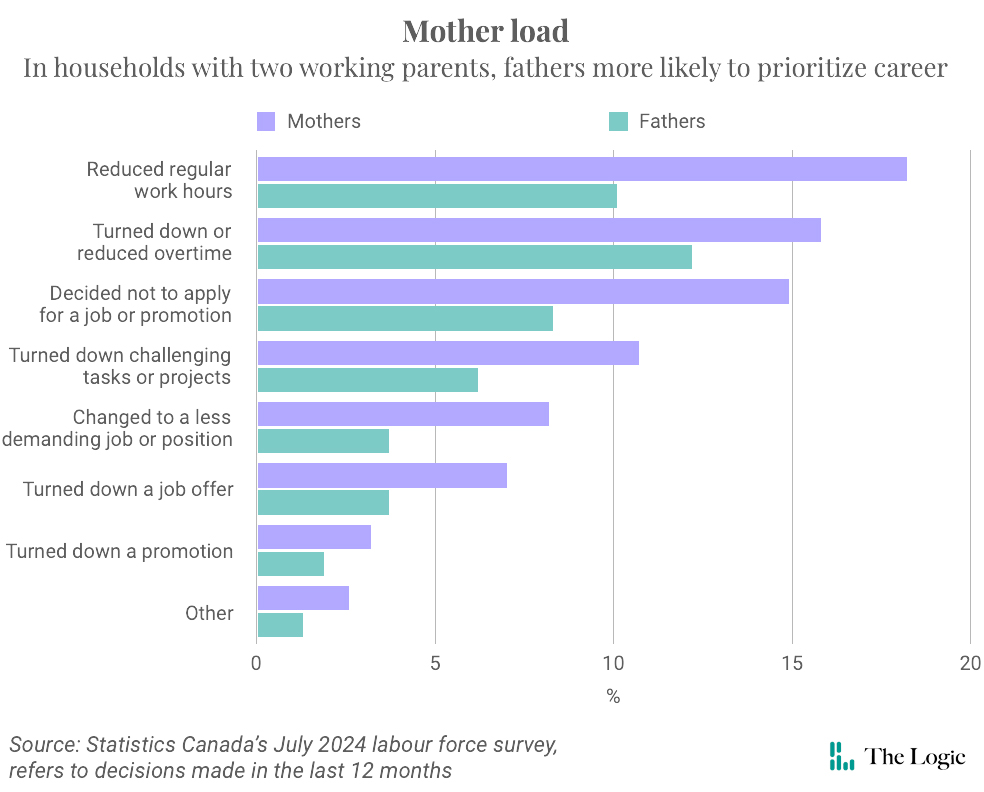
More than 18 per cent of mothers between 25 and 54 years old with children ages 12 and younger reduced their regular work hours over the last 12 months. That’s nearly double the 10.1 per cent of fathers who said they cut their hours.
Nearly 15 per cent of mothers opted not to apply for a promotion. That’s little changed since Statistics Canada last asked the questions in September 2022, though slightly more fathers (8.3 per cent, up from 7.1 per cent) didn’t apply for higher-paying jobs, either. Mothers were also more likely than fathers to turn down promotions when they were offered. Overall, 40.6 per cent of mothers made a job-related decision that prioritized childcare over their career, unchanged from 2022.
Related Articles


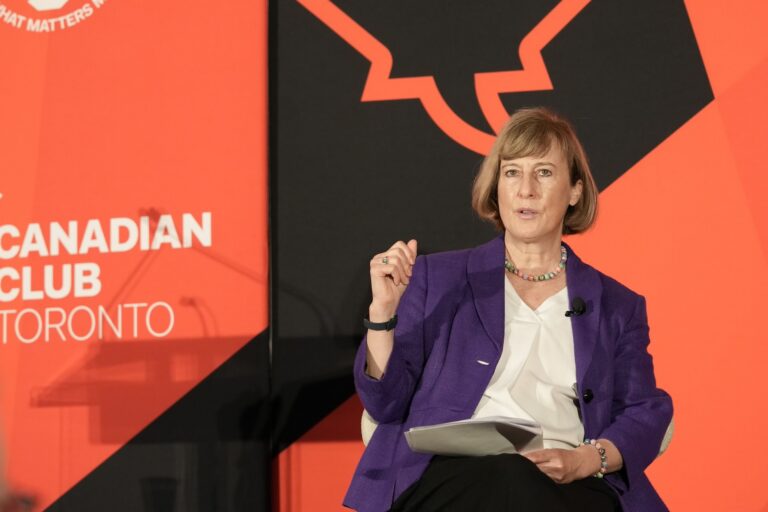
A parental paradox: “None of this is really surprising, sadly,” said Lechin Lu, associate director at the University of Toronto’s Institute for Gender and the Economy. She said the institute’s research on women in the workforce over the last decade reflects Statistics Canada’s latest data. That’s despite government policies like $10-a-day care and use-it-or-lose-it parental-leave pay meant to encourage fathers to take time off with their newborns.
Something’s not working: Lu said social expectations are a major reason why traditional parental norms have been slow to change when it comes to the labour force. “Especially in some male-dominated fields, we’ve seen research showing some men not taking advantage of these policies because they fear it would impact their career progression,” she said. “The expectation for women is that you would take the leave.”
With fathers often paid more than mothers, it makes financial sense in many heterosexual couples for men to work more than their partner, said Lu. That, she said, creates a “vicious cycle” perpetuating the gender-pay gap, the savings gap and pension gap. “These issues have to be addressed when policies are designed and implemented.”



Loading...
Thanks for sharing!
You have shared 5 articles this month and reached the maximum amount of shares available.
CloseThis account has reached its share limit.
If you would like to purchase a sharing license please contact The Logic support at [email protected].
CloseGift the full article!
You have gifted 0 article(s) this month and have 5 remaining.
Recipients will be able to read the full text of the article after submitting their email address. They will not have access to other articles or subscriber benefits.
Photo: Unsplash/Ketut Subiyanto
Most Popular This Week




In-depth, agenda-setting reporting
Great journalism delivered straight to your inbox.
News
EDC wants to help sell the full stack of Canadian technology abroad
Briefing
First Nations object to Bell’s Saskatchewan data-centre plans
Oilpatch profits surged 68%, outpacing spending
SEC warns asset managers against co-ordinating activist campaigns
Best business newsletter in Canada
Get up to speed in minutes with insights and analysis on the most important stories of the day, every weekday.
Exclusive events
See the bigger picture with reporters and industry experts in subscriber-exclusive events.
Membership in The Logic Council
Membership provides access to our popular Slack channel, participation in subscriber surveys and invitations to exclusive events with our journalists and special guests.