More than one-sixth of Canadian workers face a high risk that their jobs will be affected by automation, according to a federal government analysis obtained by The Logic.
But not all communities are equally vulnerable. “Although there are only small gaps in automation risk between the provinces, there is significant variation within provinces,” states an accompanying presentation, prepared for a meeting of senior federal government officials last year.
These are the communities in each province with the highest share of high-risk workers, according to Finance Canada’s analysis:
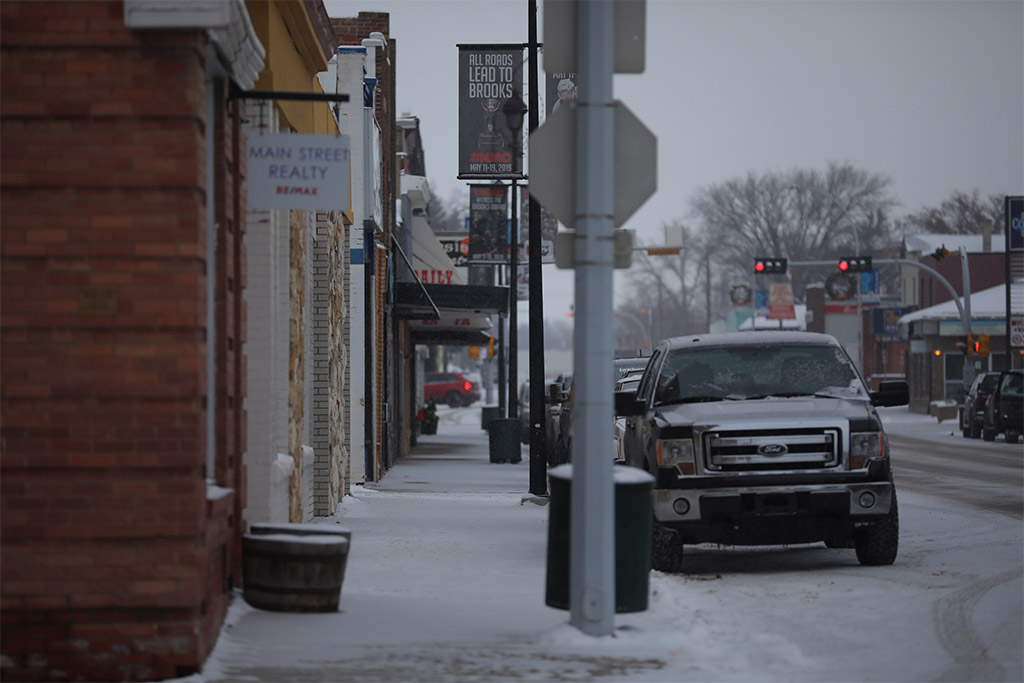
Brooks, Alberta
High-risk jobs: 27.4 per cent
Population: 24,662
Median household income: $84,907
Largest occupations: Sales and service; trades, transport and equipment operators; manufacturing and utilities
Largest industries: Manufacturing; agriculture, forestry, fishing and hunting; mining, quarrying, and oil and gas extraction
Lachute, Quebec
High-risk jobs: 27.2 per cent
Population: 12,862
Median household income: $44,681
Largest occupations: Sales and service; trades, transport and equipment operators; business, finance and administration
Largest industries: Manufacturing; health care and social assistance; retail trade
Williams Lake, British Columbia
High-risk jobs: 25.1 per cent
Population: 18,277
Median household income: $72,338
Largest occupations: Sales and service; trades, transport and equipment operators; business, finance and administration
Largest industries: Retail trade; manufacturing; health care and social assistance
Winkler, Manitoba
High-risk jobs: 24.9 per cent
Population: 30,297
Median household income: $64,806
Largest occupations: Trades, transport and equipment operators; sales and service; manufacturing and utilities
Largest industries: Manufacturing; health care and social assistance; retail trade
Read more:
- Catherine McIntyre travelled to Brooks, Alta. to find out how Canada’s most vulnerable city is preparing for its robotic future.
- Murad Hemmadi reports on what the government’s analysis shows and how it’s responding.
Hawkesbury, Ontario
High-risk jobs: 24.8 per cent
Population: 10,263
Median household income: $42,001
Largest occupations: Sales and service; trades, transport and equipment operators; business, finance and administration
Largest industries: Retail trade; manufacturing; health care and social assistance
Bay Roberts, Newfoundland and Labrador
High-risk jobs: 23.3 per cent
Population: 11,083
Median household income: $64,594
Largest occupations: Trades, transport and equipment operators; sales and service; education, law and social, community and government services
Largest industries: Construction; health care and social assistance; retail trade
Summerside, Prince Edward Island
High-risk jobs: 22.9 per cent
Population: 16,587
Median household income: $53,291
Largest occupations: Sales and service; business, finance and administration; trades, transport and equipment operators
Largest industries: Retail trade; manufacturing; public administration
New Glasgow, Nova Scotia
High-risk jobs: 22.9 per cent
Population: 34,487
Median household income: $55,748
Largest occupations: Sales and service; trades, transport and equipment operators; business, finance and administration
Largest industries: Retail trade; health care and social assistance; construction
Lloydminster, Saskatchewan
High-risk jobs: 20.6 per cent
Population: 14,938
Median household income: $86,882
Largest occupations: Sales and service; trades, transport and equipment operators; business, finance and administration
Largest industries: Retail trade; mining, quarrying, and oil and gas extraction; health care and social assistance
In New Brunswick, Finance Canada’s analysis simply identifies the province’s rural areas as highest risk, rather than any specific community; it did not include Nunavut, the Northwest Territories and Yukon.
These communities have the lowest share of high-risk workers in their respective provinces:
Winnipeg, Manitoba
High-risk jobs: 17.7 per cent
Population: 778,489
Median household income: $70,795
Largest occupations: Sales and service; business, finance and administration; trades, transport and equipment operators
Largest industries: Health care and social assistance; retail trade; manufacturing
Regina, Saskatchewan
High-risk jobs: 16.4 per cent
Population: 236,481
Median household income: $84,447
Largest occupations: Sales and service; business, finance and administration; trades, transport and equipment operators
Largest industries: Health care and social assistance; retail trade; public administration
Methodology
In a 2016 paper, Creig Lamb, a senior policy analyst at the Brookfield Institute for Innovation & Entrepreneurship, applied global consultancy firm McKinsey’s methodology to Canada’s National Occupation Classification (NOC) system, to identify the proportion of an occupation’s tasks that can be automated. Finance Canada used Lamb’s list of jobs along with Statistics Canada’s 2016 census data to determine the percentage of workers in communities in each province that are at high risk of being affected by automation. An occupation was defined as being at high risk if more than 70 per cent of its tasks could be automated with current technology.
The percentage of jobs in a community at high risk of automation is drawn from Finance Canada’s analysis. All other data is drawn from the census metropolitan area or census agglomeration profiles in Statistics Canada’s 2016 census, which measure neighbouring areas around a core with populations of at least 100,000 and 10,000 people, respectively. The largest occupations in a community are the three NOC codes with the highest percentage of residents. The largest industries are the three North American Industry Classification System codes with the highest percentage of residents.
Charlottetown, Prince Edward Island
High-risk jobs: 16.1 per cent
Population: 69,325
Median household income: $63,561
Largest occupations: Sales and service; business, finance and administration; education, law and social, community and government services
Largest industries: Public administration; health care and social assistance; retail trade
Nelson, British Columbia
High-risk jobs: 15.8 per cent
Population: 18,307
Median household income: $59,129
Largest occupations: Sales and service; trades, transport and equipment operators; education, law and social, community and government services
Largest industries: Health care and social assistance; retail trade; construction
St. John’s, Newfoundland and Labrador
High-risk jobs: 15.7 per cent
Population: 205,955
Median household income: $79,750
Largest occupations: Sales and service; business, finance and administration; trades, transport and equipment operators
Largest industries: Health care and social assistance; retail trade; public administration
Halifax, Nova Scotia
High-risk jobs: 15.2 per cent
Population: 403,390
Median household income: $69,522
Largest occupations: Sales and service; business, finance and administration; education, law and social, community and government services
Largest industries: Health care and social assistance; retail trade; public administration
Gatineau, Quebec
High-risk jobs: 14.6 per cent
Population: 276,245
Median household income: $68,703
Largest occupations: Sales and service; business, finance and administration; education, law and social, community and government services
Largest industries: Public administration; health care and social assistance; retail trade
Fredericton, New Brunswick
High-risk jobs: 14.6 per cent
Population: 101,760
Median household income: $66,877
Largest occupations: Sales and service; education, law and social, community and government services; business, finance and administration
Largest industries: Public administration; retail trade; health care and social assistance
Canmore, Alberta
High-risk jobs: 14 per cent
Population: 13,992
Median household income: $98,906
Largest occupations: Sales and service; management; trades, transport and equipment operators
Largest industries: Accommodation and food services; health care and social assistance; retail trade
Ottawa, Ontario
High-risk jobs: 11.5 per cent
Population: 991,726
Median household income: $86,451
Largest occupations: Sales and service; business, finance and administration; education, law and social, community and government services
Largest industries: Public administration; health care and social assistance; retail trade