Telus launched a $12-per-month software service on Wednesday to help customers cut back their home energy bills. It’s the first in a series of services the company will release as it develops an all-in-one app for managing everything from home security to EV charging.
Skip to content
 Telus's office building in Ottawa in August 2023. Photo: Justin Tang/Canadian Press

News
Telus launches energy-saving software service in smart-home tech push
Vancouver-based telco eyes a centralized app, AI as it looks to expand in growing market
Telus's office building in Ottawa in August 2023. Photo: Justin Tang/Canadian Press
Telus launched a $12-per-month software service on Wednesday to help customers cut back their home energy bills. It’s the first in a series of services the company will release as it develops an all-in-one app for managing everything from home security to EV charging.
The plans, led by Dwayne Benefield, a former T-Mobile and Sony executive, come as Telus and other telecoms race to capture a piece of the growing smart-home tech market.
Your power bill is too high: Telus’s energy-monitoring service, called SmartEnergy, works by connecting to devices like thermostats and electrical outlets, and gives homeowners real-time insights into how and when they can cut energy consumption to lower their power bills.
The average Canadian household spends $2,000 per year on home energy, according to Benefield, and Telus claims the service can cut users’ costs by 15 per cent.
Related Articles

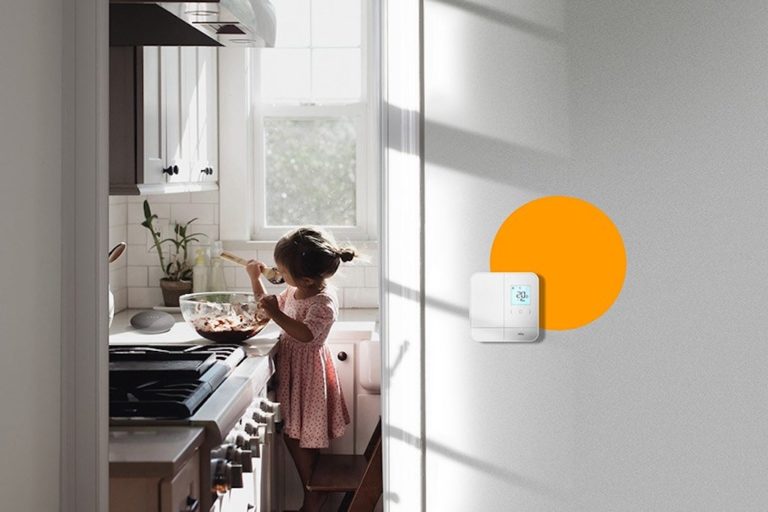
Bring it all together: When Benefield was at Sony, he was responsible for integrating Playstation Vue, a first-of-its-kind TV streaming service, into the PlayStation video game console. He said Telus will bundle its energy-saving service with a number of others and offer them all through a single app.
Telus also plans to integrate its AI, named “Jarvis” after the voice assistant used by the superhero protagonist in the Iron Man movies, to help customers navigate services or offer tips on how to cut energy costs. The company is releasing a voice-activated version of Jarvis later this year, Benefield said.
It’s stuffy in here: While the global smart-home market is set to grow to US$455 billion by 2030, Telus is launching its platform in an increasingly crowded market. Canadian rivals Bell and Rogers both offer their own centralized platforms for home security and other options.
Some customers, overwhelmed by an endless array of interconnected “hubs,” devices and digital assistants, have started to tune out.
“There’s a lot of frustration and friction with consumers, and that’s why we launched this app,” Benefield said in an interview.
Telecoms, for their part, have an advantage in building a customer base for their smart-home tech, Benefield said. Telus already has one million subscribers to its home security platform, according to the company.
Consolidation play: Benefield said the company could combine smart-home offerings with those it has offered under one of its offshoots, Telus Health, which similarly sought to combine numerous services on a single platform. Another Telus venture, Telus Agriculture, offers farmers and ranchers a range of services from livestock tracking to market insights on crops.
“This platform is now connecting all these devices, because they all use one of five protocols to communicate centrally with locally stored data,” he said. “So I can now make sure that your smart home can take care of you, too.”



Loading...
Thanks for sharing!
You have shared 5 articles this month and reached the maximum amount of shares available.
CloseThis account has reached its share limit.
If you would like to purchase a sharing license please contact The Logic support at [email protected].
CloseGift the full article!
You have gifted 0 article(s) this month and have 5 remaining.
Recipients will be able to read the full text of the article after submitting their email address. They will not have access to other articles or subscriber benefits.
Photo: Justin Tang/Canadian Press
Most Popular This Week




In-depth, agenda-setting reporting
Great journalism delivered straight to your inbox.
The Big Read
Beacon is building an AI empire by fixing Main Street’s software
Briefing
Inovia raises US$200M for new VC fund as it eyes AI’s impact
43% of eligible Albertans voted ahead of Monday’s referendum
AI chip company Tenstorrent raises US$1.5B, valuing it at US$6.2B
Best business newsletter in Canada
Get up to speed in minutes with insights and analysis on the most important stories of the day, every weekday.
Exclusive events
See the bigger picture with reporters and industry experts in subscriber-exclusive events.
Membership in The Logic Council
Membership provides access to our popular Slack channel, participation in subscriber surveys and invitations to exclusive events with our journalists and special guests.







