The contents of your yellow pencil are becoming a symbol of the EV trade war.
Graphite has become ground zero in the fight between the U.S. and China over the EV supply chain. But Canadian firms could benefit from a recent flurry of news out of the White House that singled out the grey mineral.
Kingston, Ont.-based Focus Graphite said in a press release that “recent moves by the Biden administration have energized the continuing race to develop a stable supply of graphite outside of China,” and that the company is preparing for new deals. Novonix, a synthetic graphite and battery tech company that was spun out of Dalhousie University, signed a deal this month with Volkswagen.
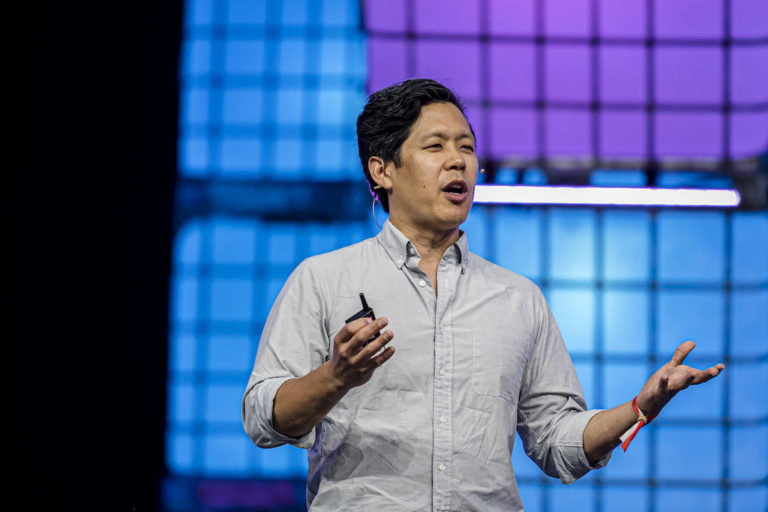
“People are realizing what the industry needs here in North America to grow,” said Novonix CEO Chris Burns.
Why graphite is such a hot topic: China dominates the trade in many minerals, thanks in part to its decade-long plan to build an EV supply chain, but none more than graphite. By some estimates, nearly 100 per cent of the world’s supply came through China in 2022. Chinese suppliers have so much control over the graphite trade that the Canadian government can’t reliably track the price.
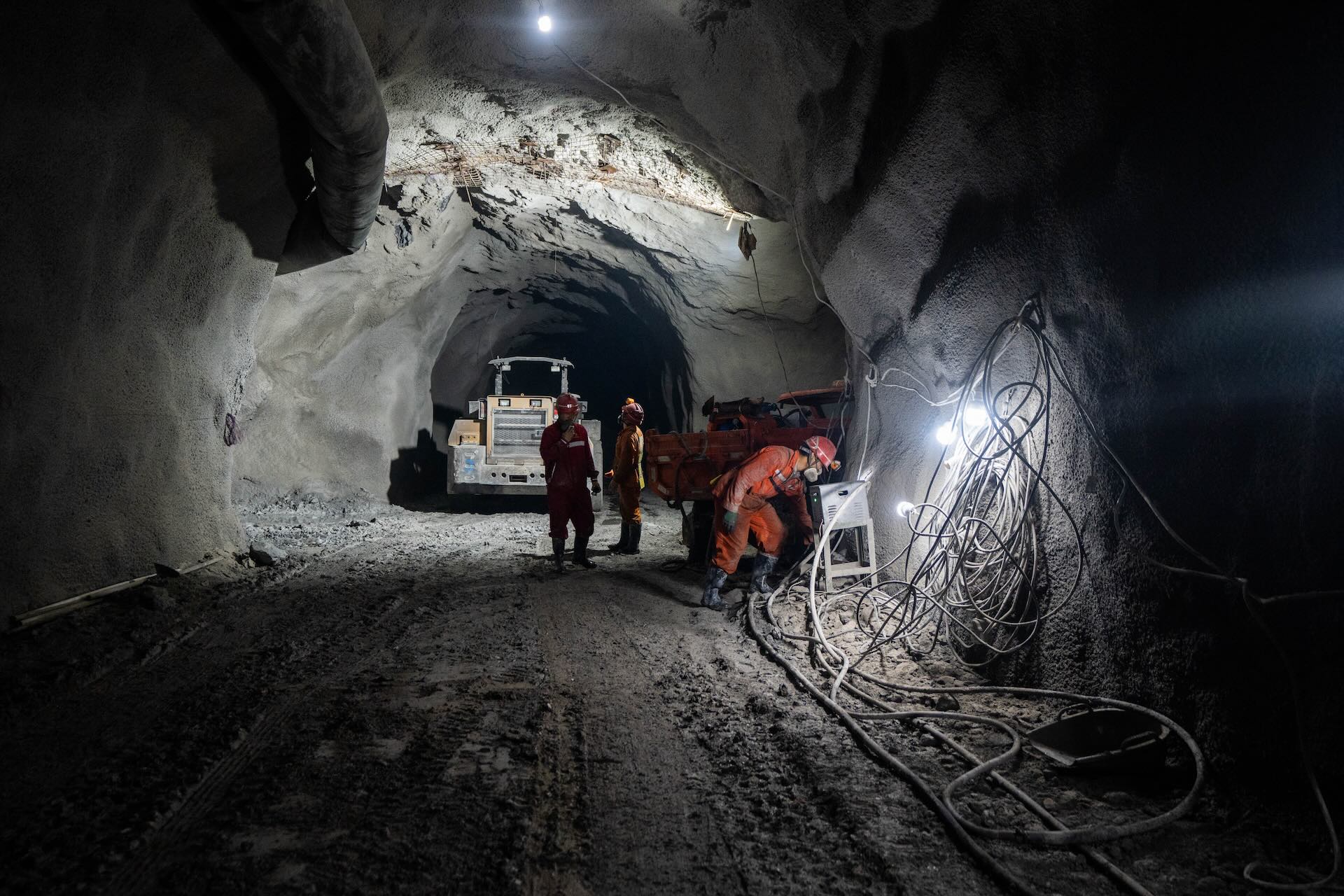
Graphite is important for making battery anodes, but it’s understandably hard to build an industry from scratch when you can’t know how much you can charge for the product. North America once fostered its own graphite industry—back in the days of pencil-industry nepo baby Henry David Thoreau, a graphite innovator who also did some writing. But the site of what was Ontario’s richest graphite mine a century ago is now a ghost town buried at the bottom of a lake.
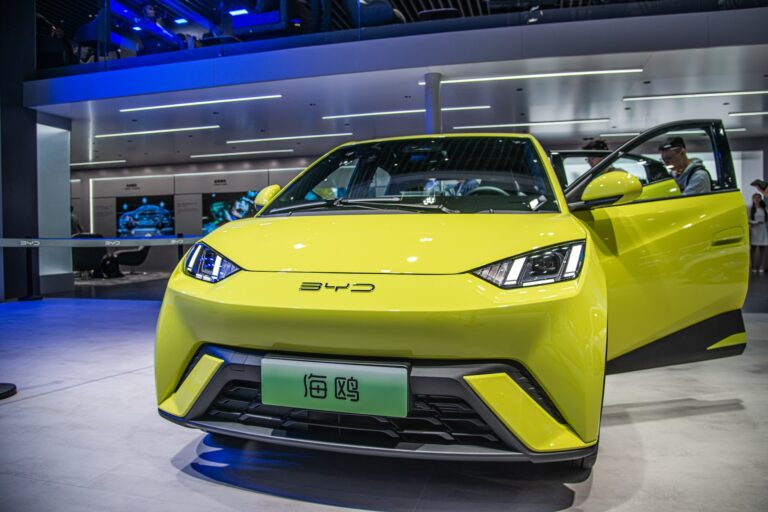
Struggles to find the right policy: Eric Desaulniers, CEO of Nouveau Monde Graphite, said that the U.S. is likely trying to find a middle ground between building up a graphite industry and appeasing automakers who are scrambling to build their graphite supply chains outside China without raising EV prices.
That has created some dramatic policy ups and downs. On May 3, U.S. President Joe Biden’s administration extended a key deadline, letting automakers using Chinese graphite qualify for Inflation Reduction Act incentives until 2027, instead of 2025. That cooled some of the urgency in discussions with potential customers, Desaulniers said.
But a few days later, the White House flipped the script. It announced that the tariff on natural graphite would increase from zero to 25 per cent in 2026, a year before the IRA deadline. Then last week, the United States Trade Representative announced that on June 14 the U.S. would reimpose a 27 per cent tariff on China’s synthetic graphite, after four years of it being exempt. In the end, Desaulniers said, Nouveau Monde Graphite’s customers now stand to benefit.
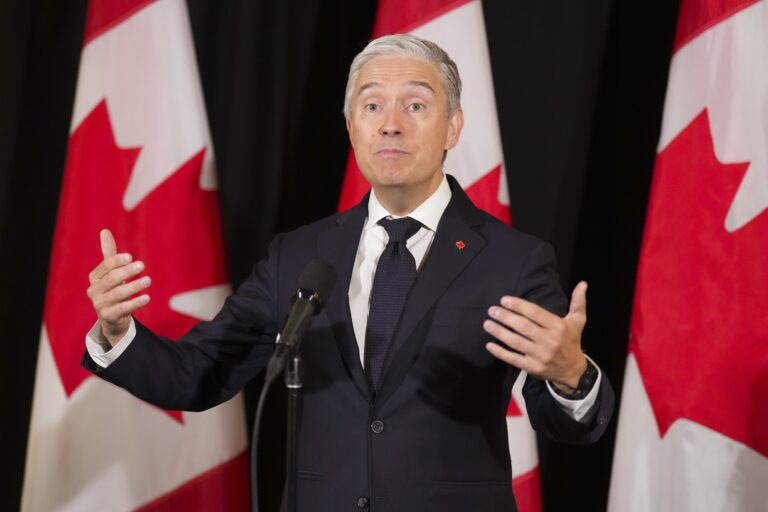
What’s next for Canada? Finance Minister Chrystia Freeland said this week the Chinese government is producing excess critical minerals. The federal government is reviewing its policies to prevent that oversupply from affecting Canadian businesses.
Desaulniers expects Canadian customers would move more quickly to close graphite supply deals if they faced the same policy pressure as in the U.S.
“My customers in the U.S. now have way more benefit to buy from us compared to my customers in Canada,” he said. “The side effect will be that we’ll sell all our production in the U.S. That’s not ideal for the Canadian side.”
Read Shift—The Logic’s authoritative weekly newsletter on automotive technology industry news—for more; and if you know someone who should be reading it, they can sign up here.