Tariffs are casting a chill over Motown.
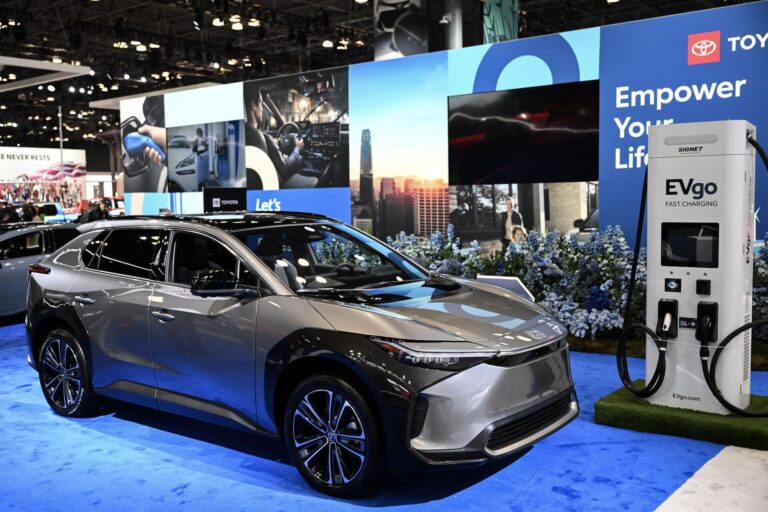
At the Detroit Auto Show, there is a quiet sense of foreboding days before the U.S. inaugurates a leader with big plans for the auto industry—including new tariffs on imports from Canada.
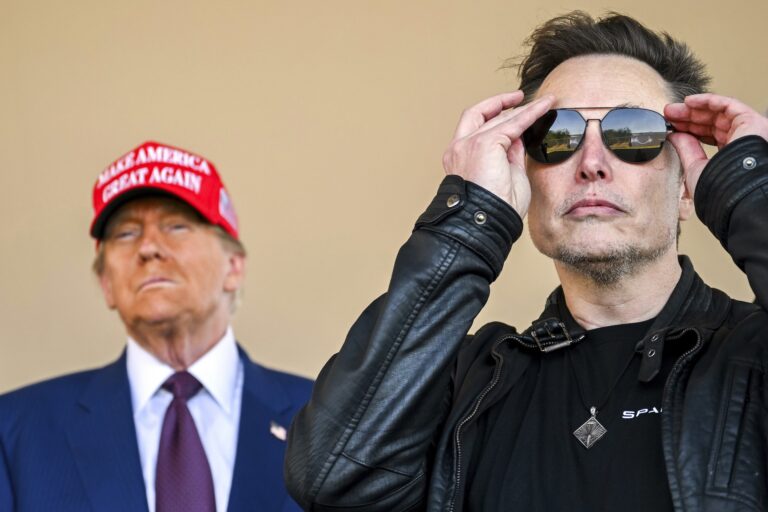
In Michigan, the stakes attached to president-elect Donald Trump‘s policies are high.
American automakers face unprecedented competition. In both style and quality, Chinese vehicles are increasingly comparable to those on display this week on the convention centre floor in downtown Detroit. Chinese brands have already taken market share in Europe, noted Michigan Governor Gretchen Whitmer at the show, and if it happened in her state, it would “crush” the local economy.
With a Canadian flag visible through the windows behind her, flapping in the distance over Windsor, Ont., Whitmer warned that China would “love nothing more” than to see the U.S. destroy its own auto ecosystem by slapping tariffs on Canadian parts.
“I’m not opposed to tariffs outright, but we cannot treat them like a one-size-fits-all solution, and we certainly shouldn’t use them to punish our closest trading partners,” she said. “Doing so hurts all of us, damaging supply chains, slowing production lines and cutting jobs on both sides of the border.”
Canada and the U.S. are “still two different countries,” Whitmer noted, adding she does not want to see tariffs inflict the kind of damage done by the Ambassador Bridge blockade. The 2022 protest stymied about $2.3 billion in cross-border trade, hamstringing the auto sector. In the last few years, Canadian businesses have announced 26 projects in Michigan, creating over 4,000 jobs, she said.
“Think about this: 70 per cent of all the auto parts we make in Michigan go directly to our neighbours,” Whitmer said. “Every time a Michigan auto part crosses over the border and gets taxed, those costs will be passed on to you, consumers, at the dealership…
“The only winner in that equation is China.”
Dealers on both sides of the border are already contending with rising car costs, with more price pressure to come. In Canada, the federal government abruptly ended iZEV purchase incentives for hybrid and electric vehicles. In the U.S., Trump has a plan for “energy dominance” that promotes the fossil fuel industry over EVs.
Tariffs on Canadian imports could put some of the auto show’s buzziest cars, like the Canadian-made Honda Civic hybrid, even further out of buyers’ reach.
John Bozzella, president and CEO of the Alliance for Automotive Innovation, understands using tariffs to stem a wave of cheap vehicles from China. But unwinding a quarter-century of frictionless trade in North America with them would be counterproductive, he said, because that trade supports American jobs and helps keep vehicles affordable.
Bozzella wants to see the specifics of Trump’s proposals before mounting a formal response, while Whitmer said she is in touch with the governments in both Ottawa and Queen’s Park to map the road ahead.
“A lot is going to happen in a very, very short amount of time,” said Bozzella. “Almost all of it has a significant impact on the industry. The next week is going to be incredibly active.”
Read Shift—The Logic’s authoritative weekly newsletter on automotive technology industry news—for more; and if you know someone who should be reading it, they can sign up here.