Over the course of one week in February, bidders at a Sotheby’s auction competed to buy a rare work of art.
“Executed December 25, 2017, this work is unique from a series of 100,” read the description on the auction site, which estimated its value at US$500,000 to US$700,000. Participants submitted their bids in secret, with Sotheby’s providing them with little information—only informing them if someone else bid higher, presenting them with the opportunity to up their offers. Only the seller and winning bidder know the final price.
Talking Point
- High-profile NFT projects that became massively valuable in 2021 before the market crashed the following year have made six- or seven-figure sales over the past month, as the crypto winter continues to thaw
What peerless treasure could command such pomp and circumstance—and such a high value? It’s controversial. Not everyone gets it. You might even say, as many do about great works of modern art, that your 10-year-old could have made it.
That’s because it is, quite literally, a clip-art image file of a rock. On the blockchain, of course. It’s an EtherRock, and it’s hot right now. Again.
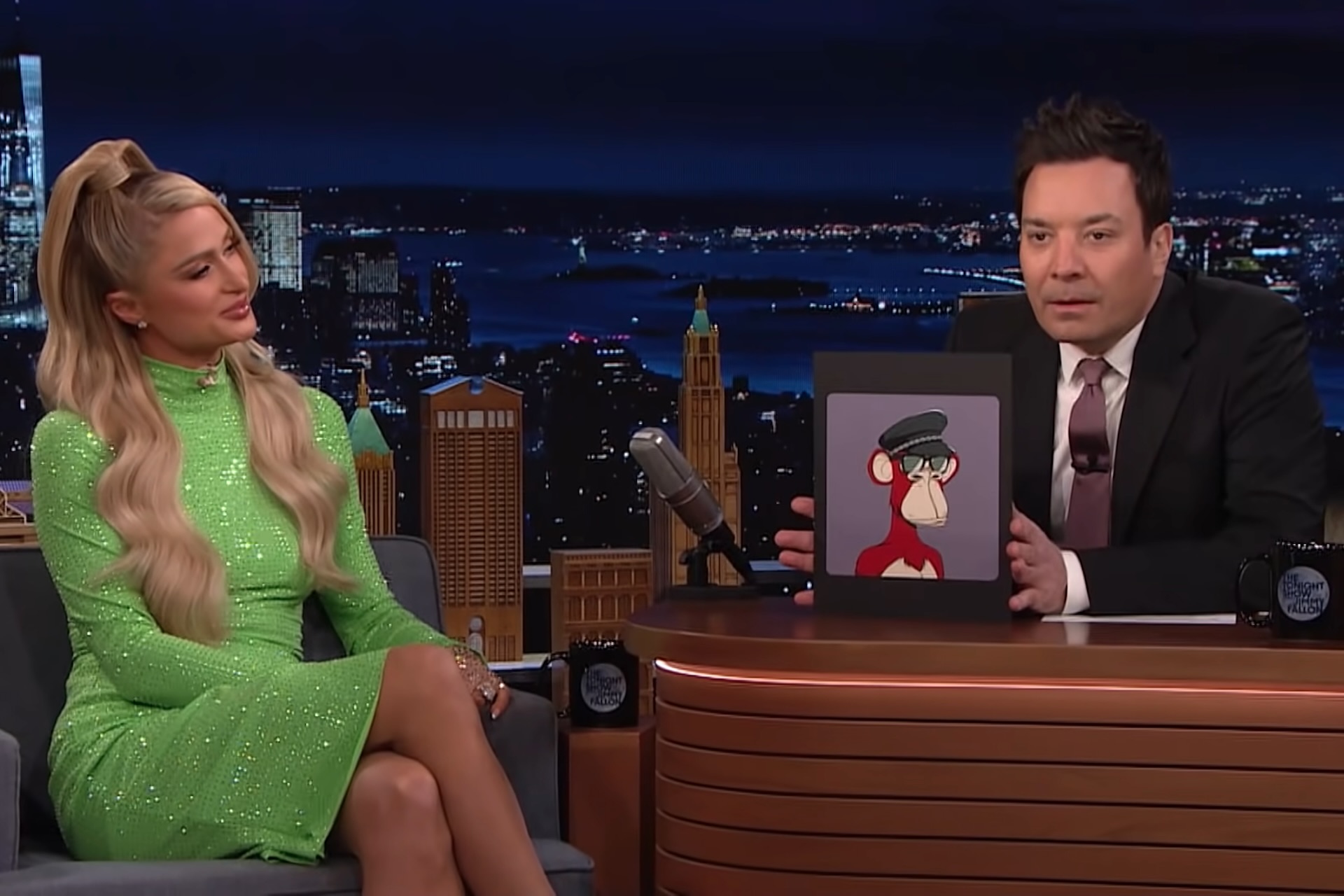
The last time EtherRocks made headlines was 2021, the year the term “NFTs,” or non-fungible tokens—digital collectibles that trade on a blockchain—entered the mainstream vernacular. Beeple sold a digital work of art for US$69 million, Jimmy Fallon and Paris Hilton compared NFT apes on late night television and Vancouver’s Dapper Labs turned collectible basketball video highlights into a bona fide hit, before it all came crashing down.
Are NFTs so back? We’re about to find out.
“We know that history rhymes, we know markets can be cyclical. We’re going to find out if it’s going to be cyclical with the exact same characters,” said Mitchell F. Chan, a Toronto-based NFT artist. “Early indications … are suggesting that yup, we’re redoing this.”
EtherRock launched in 2017 and was one of the first experiments in what we now call NFTs. Billed as “pet rocks on the blockchain,” collectors can buy, sell and trade 100 images of virtually identical rocks, differentiated only by their identification numbers and colours.
The concept is, of course, dumb as a rock—deliberately. “These virtual rocks serve NO PURPOSE beyond being able to be brought [sic] and sold,” the EtherRock website reads.
“It was leaning into the critique that you would have of digital assets, those critiques being these things are useless, these things are ridiculous. These things are just like Beanie Babies or pet rocks,” Chan said. EtherRock was “wearing it proudly.”
“Maybe the narrative isn’t that NFTs are raging back, but more like growing up.”
EtherRock was good for a laugh in 2017, but 2021 is when it really took off. Just as Dogecoin started as a joke before skyrocketing in value, the digital rocks regularly traded for six figures that year, with one selling for US$1.3 million.
But what goes up must come down. The NFT market crashed hard the following year, along with the rest of the crypto market.
A fall 2023 report by dappGambl found 95 per cent of NFT investments had become totally worthless. Dapper Labs, once valued at US$7.6 billion, endured multiple rounds of layoffs and is the subject of a proposed class action lawsuit alleging Top Shot violated U.S. securities law. The market for Bored Apes, 2021’s most exclusive and prestigious NFT project and the subject of that infamous Jimmy Fallon segment, collapsed.
Paris Hilton and Jimmy Fallon discuss Bored Ape NFTs in a January 2022 segment. Photo: The Tonight Show Starring Jimmy Fallon/Screenshot via YouTube
Today, there are signs the crypto winter is giving way to a crypto spring. Portions of the NFT market are heating up along with the rest of the sector, although overall sales volume remains a fraction of what it was in 2021 and 2022.
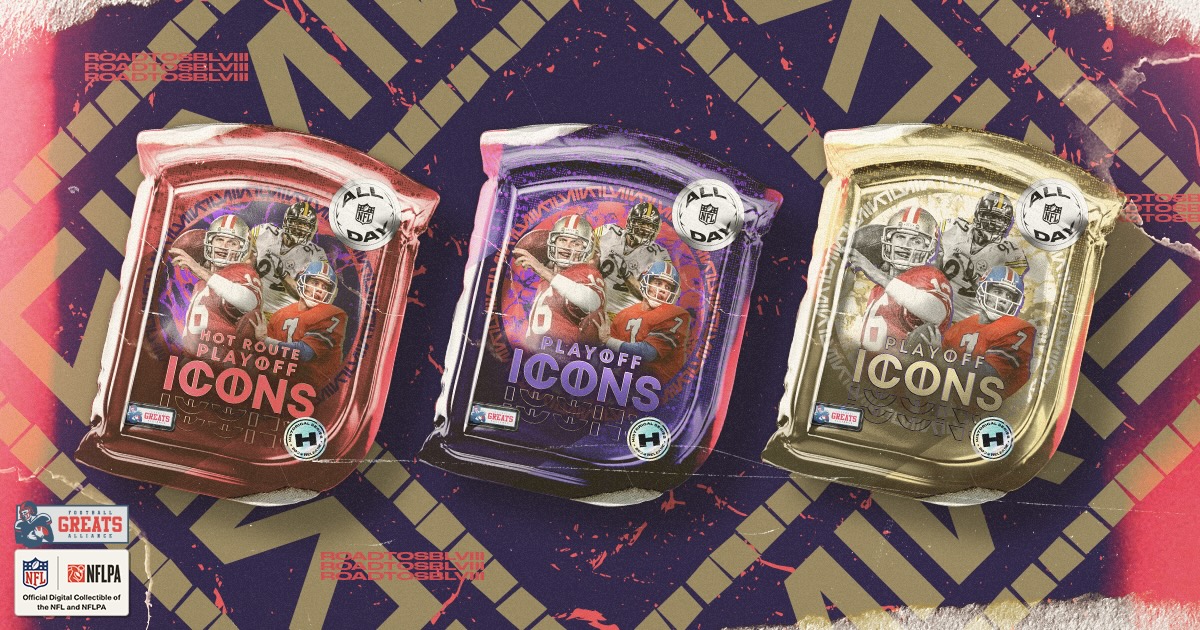
EtherRock, Bored Apes and fellow high-profile NFT project CryptoPunks all made six- or seven-figure sales in a two-week period from late January to early February. Dapper Labs’ NFL All Day—its professional football version of Top Shot—had some high-profile sales in the lead-up to the Super Bowl, including a US$40,000 NFT featuring former star quarterback Tom Brady.
Adam Barrick, vice-president of sports, business development and partnerships at Dapper Labs, said the company has learned some lessons from the bear market. Dapper is trying to think like a fan when releasing content, finding success with packs of NFTs based on specific basketball and football teams, he said.
Packs of NFTs from Dapper Labs' NFL All Day. Photo: Dapper Labs/Handout
“Fans are going to root for players and teams that they’re passionate about,” Barrick said. “What we learned from a content perspective was, OK, let’s, let’s take that sentiment, let’s take that fan mindset, and really double down on that.”
Andrew Agopsowicz, a former RBC economist and co-founder of a digital art gallery, said the recent signs of renewed interest in NFTs may not mean another frenzied bull market is around the corner—but that’s OK. While he sympathizes with people who lost money on NFTs they bought in 2021, he said a more sustainable rate of growth might be a sign of maturity.
“We’re seeing consolidation of the high-quality digital assets trading at a much slower level, much more like people would trade art,” he said. “Maybe the narrative isn’t that NFTs are raging back, but more like growing up.”
Many, of course, would argue there’s nothing grown-up or mature about blowing the better part of a million dollars on a clip-art rock. However, Michael Bouhanna, Sotheby’s head of digital art, said the tongue-in-cheek NFT collection ticks a number of boxes for the high-end auctioneer.
Sotheby’s looks for works at the “higher tier of the market,” he said. The firm seeks out art that’s in hot demand to generate buzz and create an event around the auction. And EtherRock’s status as an early example of the NFT form helped generate interest, he said.
If that doesn’t convince you, Bouhanna’s not bothered. “We are really just a platform,” he said. “We don’t force anyone to buy it.”