Cryptocurrency-trading platforms looking to register with the Ontario Securities Commission will likely face different requirements depending on what tokens they offer, and if they assess whether individual investments are suitable for their clients, The Logic has learned.
Skip to content


News
OSC rules for crypto-trading platforms to vary depending on tokens, protections on offer
The Ontario Securities Commission entrance on the 17th floor in January 2010. Photo: Lucas Oleniuk/Toronto Star via Getty Images
Cryptocurrency-trading platforms looking to register with the Ontario Securities Commission will likely face different requirements depending on what tokens they offer, and if they assess whether individual investments are suitable for their clients, The Logic has learned.
According to a May 25 document the OSC sent to platforms that have started the process of coming into compliance, the regulator is asking them to indicate whether they’re planning to assess whether individual investments are suitable for the clients making them, or simply ensure the type of account a client wants to open is suitable. Clients of platforms that don’t conduct full investment-suitability assessments will face a $30,000 annual limit on purchases of tokens other than Bitcoin, Ether, Litecoin and Bitcoin Cash.
Talking Point
An Ontario Securities Commission document obtained by The Logic offers some insight into the expectations and rules cryptocurrency-trading platforms will face once they’re registered. Platforms will likely face different requirements depending on what tokens they offer, whether they conduct assessments of the suitability of investments for each client, and what provinces their clients are from.
Dustin Walper, chief executive of the Toronto-based cryptocurrency-trading platform Newton, said the move would bring investor protections to the crypto world that are similar to those already in place for traditional asset classes like equities.
“I think it’s a reasonable concern,” Walper said. “The last thing that you want is someone’s grandmother who doesn’t really understand the risk that they’re getting themselves into, putting their life savings into something that’s not appropriate for them.”
Canadian securities regulators are in the midst of an effort to bring the fast-growing crypto-trading industry into compliance with their view that platforms that hold cryptocurrencies in custody for clients are entering into securities contracts and should therefore be registered as dealers.
In late March, the CSA and the Investment Industry Regulatory Organization of Canada published a joint notice on the steps platforms need to take to comply, with the OSC giving platforms a deadline of April 19 to start the process. The action came one week after The Logic published a story revealing an explosion in the number of unregistered cryptocurrency-trading platforms offering services to Canadians, with hundreds of businesses operating without the oversight of securities regulators.
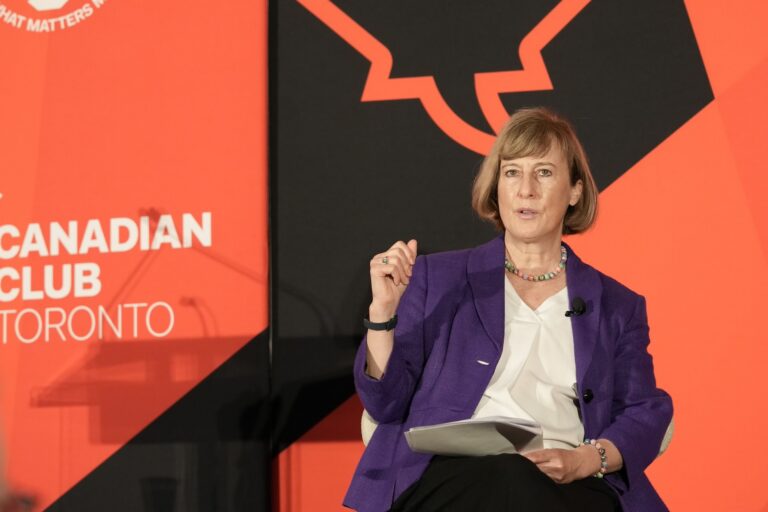
The OSC has initiated enforcement action against three foreign platforms it says failed to meet that deadline: Poloniex, KuCoin and Bybit. Rose said 50 platforms to date have contacted the OSC about coming into compliance, with regulator chair Grant Vingoe saying in a speech to the Canadian Club of Toronto last month that many have been “slow” to do so.
An OSC decision released Tuesday—which allowed Wealthsimple, the only crypto-trading platform that has completed the process of registering through the CSA’s regulatory sandbox program, to expand its offerings—reveals that regulators in Alberta, British Columbia, Manitoba and Quebec disagree with their Ontario counterpart that cryptocurrencies other than Bitcoin, Ether, Litecoin and Bitcoin Cash should face stricter purchase limits. That means Wealthsimple must apply different standards to crypto clients living in different provinces, with its clients in Ontario facing a $30,000 annual cap on trading Dogecoin while clients in Alberta face no limit based on the type of cryptocurrency.
The text of the Wealthsimple decision says it “should not be viewed as precedent,” but in an email to The Logic, OSC public-affairs manager Kristen Rose said the “decision provides guidance to other platforms, which operate in a similar manner, on our expectations.”
“In our view, the Ontario approach set out in the decision is prudent for investor protection as this is a new asset class with unique risks,” Rose said. “While we had hoped to land on a harmonized approach, this is more challenging in emerging areas, such as crypto, where views on regulatory oversight and compliance continue to evolve.”
Rose said the May 25 document “represents a point in time” and continues to change. However, taken together with the Wealthsimple decision, it offers some insight into the expectations and requirements crypto-trading platforms will face once they’re registered.
Since the Wealthsimple decision officially only applies to a single company and the OSC document is from a single regulator, Justin Hartzman, co-founder and chief executive of the Canadian crypto-trading platform CoinSmart, said he’s looking forward to more clarity from the Canadian Securities Administrators on how suitability and investment limits for different tokens will apply across the country.
“All the provinces haven’t come together,” he said. “Is suitability necessary? And what do the limits look like on a crypto exchange?”
For now, Wealthsimple remains the only company directly governed by these emerging rules about trading limits and suitability. In an emailed statement, Blair Wiley, Wealthsimple’s chief legal officer, said he looks forward to the company’s competitors playing on a level regulatory field.
“We were encouraged when Canadian securities regulators set a deadline for all unregulated platforms to start compliance discussions and seek registration. That deadline is now past,” he said. “We are waiting to see the impact of regulatory standards being consistently applied to other platforms.”



Loading...
Thanks for sharing!
You have shared 5 articles this month and reached the maximum amount of shares available.
CloseThis account has reached its share limit.
If you would like to purchase a sharing license please contact The Logic support at [email protected].
CloseGift the full article!
You have gifted 0 article(s) this month and have 5 remaining.
Recipients will be able to read the full text of the article after submitting their email address. They will not have access to other articles or subscriber benefits.
Photo: Lucas Oleniuk/Toronto Star via Getty Images
Most Popular This Week



In-depth, agenda-setting reporting
Great journalism delivered straight to your inbox.
News
Tech firms want AI models to create better versions of themselves
Briefing
Lightspeed cuts 250 jobs through layoffs and attrition
Oil tycoon Adam Waterous aims to build new Canadian energy player with US$1B fund
Data centre infrastructure firms 3C and Datalec merge, plan Calgary expansion
Best business newsletter in Canada
Get up to speed in minutes with insights and analysis on the most important stories of the day, every weekday.
Exclusive events
See the bigger picture with reporters and industry experts in subscriber-exclusive events.
Membership in The Logic Council
Membership provides access to our popular Slack channel, participation in subscriber surveys and invitations to exclusive events with our journalists and special guests.