Ontario’s securities regulator says it is caught in a balancing act: trying to stop Canadian companies from relocating to the U.S., while strengthening Canada’s defences against a rise in threats like fraud and insider trading.
Skip to content
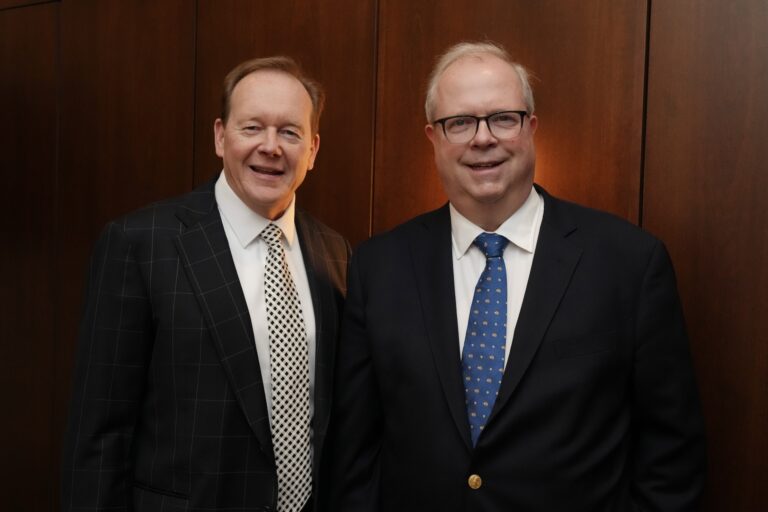
 Grant Vigoe, Chair and Chief Executive Officer of the Ontario Securities Commission at Toronto's Park Hyatt Hotel, Thursday December 2, 2021. Photo: Financial Post/ Peter J Thompson

News
The OSC says looser regulations in the U.S. could lead to Canadian exodus
The securities regulator has snipped red tape and is considering other measures to boost Canada’s competitiveness and access to capital
Grant Vigoe, Chair and Chief Executive Officer of the Ontario Securities Commission at Toronto's Park Hyatt Hotel, Thursday December 2, 2021. Photo: Financial Post/ Peter J Thompson
Ontario’s securities regulator says it is caught in a balancing act: trying to stop Canadian companies from relocating to the U.S., while strengthening Canada’s defences against a rise in threats like fraud and insider trading.
Speaking on stage at the Ontario Securities Commission’s annual symposium in Toronto on Thursday, CEO Grant Vingoe said Canadian capital markets risk facing a “hollowing out.” A looser and more favourable U.S. regulatory environment, including in sectors that the Trump administration has supported, like crypto, could entice Canadian companies to move there.
To combat this, the commission is focused on both short and long-term measures to reduce regulatory burdens. Last week the Canadian Securities Administrators (CSA), said it would waive certain paperwork requirements for companies angling to go public and give firms more flexibility to raise capital. CSA is Canada’s umbrella group for provincial securities regulators, including the OSC.
“My hope is these additional mechanisms will allow independent dealers to participate, because they’re often the engines for new ideas,” Vingoe said.
Related Articles

The CSA paused its work on climate and diversity-related disclosure requirements on Wednesday, citing risks to the country’s competitiveness. The move is intended to “support Canadian markets and issuers as they adapt to the recent developments in the U.S. and globally,” according to the OSC release.
“Clearly we’re going to take some heat around the pause,” OSC board chair Kevan Cowan said on stage. “The theme here, obviously, is competitiveness and access to capital.”
Canadian companies often leave for a chance at U.S. index inclusion, Vingoe says, and the OSC is looking at that issue so “Canadian companies can stay in Canada.” The S&P Dow Jones Indices, which oversees the S&P/TSX Composite Index, said in March it is considering letting companies list on both U.S. and Canadian stock exchanges.
IPOs on Canadian exchanges have stalled over the past few years, with insiders expecting a rebound this year. But market volatility has left most companies planning to go public delaying their plans to the fall or early 2026. There were no new corporate IPOs this year on the Toronto Stock Exchange or Venture Exchange last quarter, while the smaller-cap Canadian Stock Exchange saw only two.
Most of Canada’s companies are small and medium-sized businesses, and Vingoe wants to ensure they stay. “I worry about that ecosystem, and I want to make sure that we adapt the environment to preserve those companies in Canada,” he said.
But the “OSC has a job to do too,” Daniel Daviau, chief executive of wealth management firm Canaccord Genuity said, in a later panel. It’s “a fact” that multibillion dollar companies will go to the U.S.’s deep capital markets, he added. “We need to target our securities legislation here to small-and mid-cap companies and a lot of [natural] resource companies.”
Canadian investors’ lower risk appetite in specific sectors they don’t fully understand disincentivizes them from partaking, he said. When investors better understand their risks, it lowers the cost of capital and lifts up valuations, Daviau said. “Be good at certain areas, and you’ll attract all the capital,” he said.
Meanwhile, the rapid pace of U.S. deregulation and an unstable geopolitical environment means it’s easier for wrongdoers to “find a place,” Vingoe said. The increasing volume of scams, fraud, insider trading and corruption are “enabled by an atmosphere in which ‘anything goes’ and the traditional norms are not being observed as they have in the past,” he added.
But Canada must find a way to balance the perceived threats while keeping the common goal of bolstering competitiveness in sight, Vingoe said.



Loading...
Thanks for sharing!
You have shared 5 articles this month and reached the maximum amount of shares available.
CloseThis account has reached its share limit.
If you would like to purchase a sharing license please contact The Logic support at [email protected].
CloseGift the full article!
You have gifted 0 article(s) this month and have 5 remaining.
Recipients will be able to read the full text of the article after submitting their email address. They will not have access to other articles or subscriber benefits.
Photo: Financial Post/ Peter J Thompson
Most Popular This Week




In-depth, agenda-setting reporting
Great journalism delivered straight to your inbox.
The Big Read
Alberta’s referendum is just the start of the turmoil
Briefing
EverWind plans $10B data centre and wind development in Nova Scotia
Canada ready to force Stelco to sell its Canadian operations, Joly says
Feds plan a 60 MW defence-oriented data centre for Ottawa
Best business newsletter in Canada
Get up to speed in minutes with insights and analysis on the most important stories of the day, every weekday.
Exclusive events
See the bigger picture with reporters and industry experts in subscriber-exclusive events.
Membership in The Logic Council
Membership provides access to our popular Slack channel, participation in subscriber surveys and invitations to exclusive events with our journalists and special guests.






