Listen Now
0:00
National Bank of Canada CEO Laurent Ferreira says artificial intelligence alone won’t give banks a competitive advantage, even as the country’s biggest lenders pour money into the technology to cut costs and boost productivity.
In an interview with The Logic on Wednesday following an event at Canadian Club Toronto, Ferreira said AI’s widespread availability means banks won’t stand out simply by adopting it.
“If you’re very good at implementing technologies and much faster than others, you can build the competitive advantage for a period of time,” he said, arguing that lasting advantages come from how banks deploy capital, which markets they target and the expertise they develop.
Talking Points
- National Bank CEO Laurent Ferreira warns AI will put pressure on profit margins, particularly in retail banking
- The Montreal-based bank plans to gain market share across Canada, partner with fintechs and follow Canadian clients into capital markets abroad, particularly in the U.S. and Europe
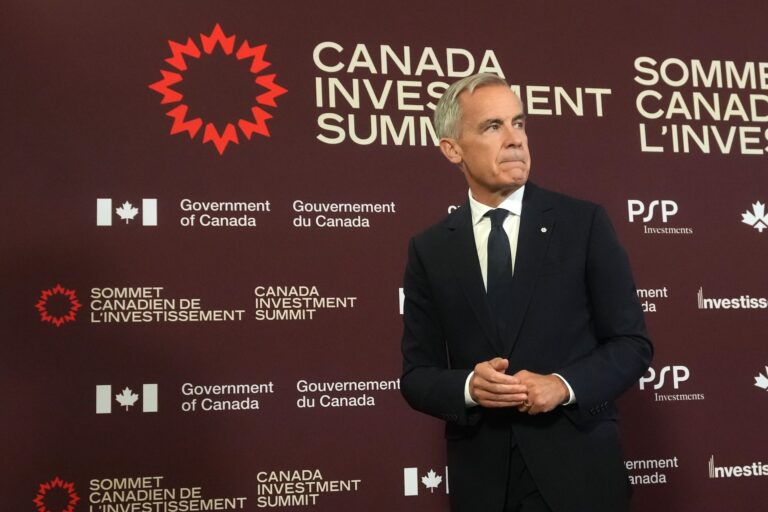
- Unlike its Big Five rivals, National Bank did not announce a specific financing commitment at the Canada Investment Summit. Ferreira told The Logic its entire balance sheet is available to support Canadian businesses
As adoption spreads, AI will intensify competition and squeeze banks’ margins, particularly in retail banking, he said.
Canada’s Big Six are increasingly touting the financial returns it could generate. At last month’s Scotiabank Financials Summit, Ferreira declined to quantify National’s expected returns from AI, saying it will outline its new strategic plan during its December earnings call. The bank has equipped 3,500 technologists and programmers with agentic AI tools to accelerate software development, he added in September.
Ferreira expects AI to transform how consumers manage their finances, including deposits and payments, although he expressed reservations about third-party agents—like Meta’s Muse—accessing accounts.
“This is just the beginning,” he said. “Banks are going to work on their proprietary agent[s] to help consumers with their finances.”
Related Articles

Ferreira also warned that surging demand for data centres, energy and computing infrastructure could fuel inflation by outstripping supply. The sector’s reliance on debt-financed investment, he added, raises questions about its sustainability.
The AI debate comes as National Bank prepares to accelerate its expansion across Canada and the world, challenging larger rivals in commercial and personal banking as well as capital markets.
In his speech, Ferreira said National Bank aims to grab market share in commercial and personal banking across the country, citing its entrepreneurial culture and ability to respond quickly to customers as advantages over larger rivals. It hopes to make similar gains in personal banking, as consumers shift to mobile banking and competition with digital-first financial services providers heats up.
Ferreira said rather than acquire fintechs outright, it’s prioritizing commercial partnerships with newer players, which he said are more nimble at developing technology.
In wealth management, National Bank plans to invest more in technology, digital platforms and AI to support financial advisers. It also wants to accelerate its expansion across Canada by acquiring complementary advisory teams and service platforms.
International expansion is another key priority for National Bank’s capital markets business. Ferreira said the lender would pursue opportunities tied to Canada’s economic priorities, including major infrastructure projects and industrial development.
National Bank plans to follow its Canadian clients abroad to “where [it] can be relevant,” particularly in the U.S. and Europe. Ferreira said the bank plans to focus on sectors where it already has expertise, including mining, infrastructure and power.
The Montreal-based lender, which has more than $650 billion in assets, recently completed its acquisition of Canadian Western Bank and expects to close its purchase of Laurentian Bank’s retail and small-business portfolios next month.
National Bank was the only member of Canada’s Big Six that did not disclose a specific financing commitment for nation-building projects tied to the Canada Investment Summit. Ferreira told The Logic that, unlike its peers, the lender’s entire balance sheet is available to support Canadian businesses.
Ferreira also called for Canada to scrap its tax code and replace it with a simpler system, arguing that its complexity imposes significant costs on small businesses. He urged Ottawa to write a new code that would make Canada more competitive, and proposed deferring taxes on capital gains that investors reinvest in local businesses.