The snow-capped hills of Collingwood, Ont., were an ideal training ground for elite skier Natalie Knowles. She grew up five minutes from the slopes, and recalls a well-maintained ski experience that bred her love for the sport.
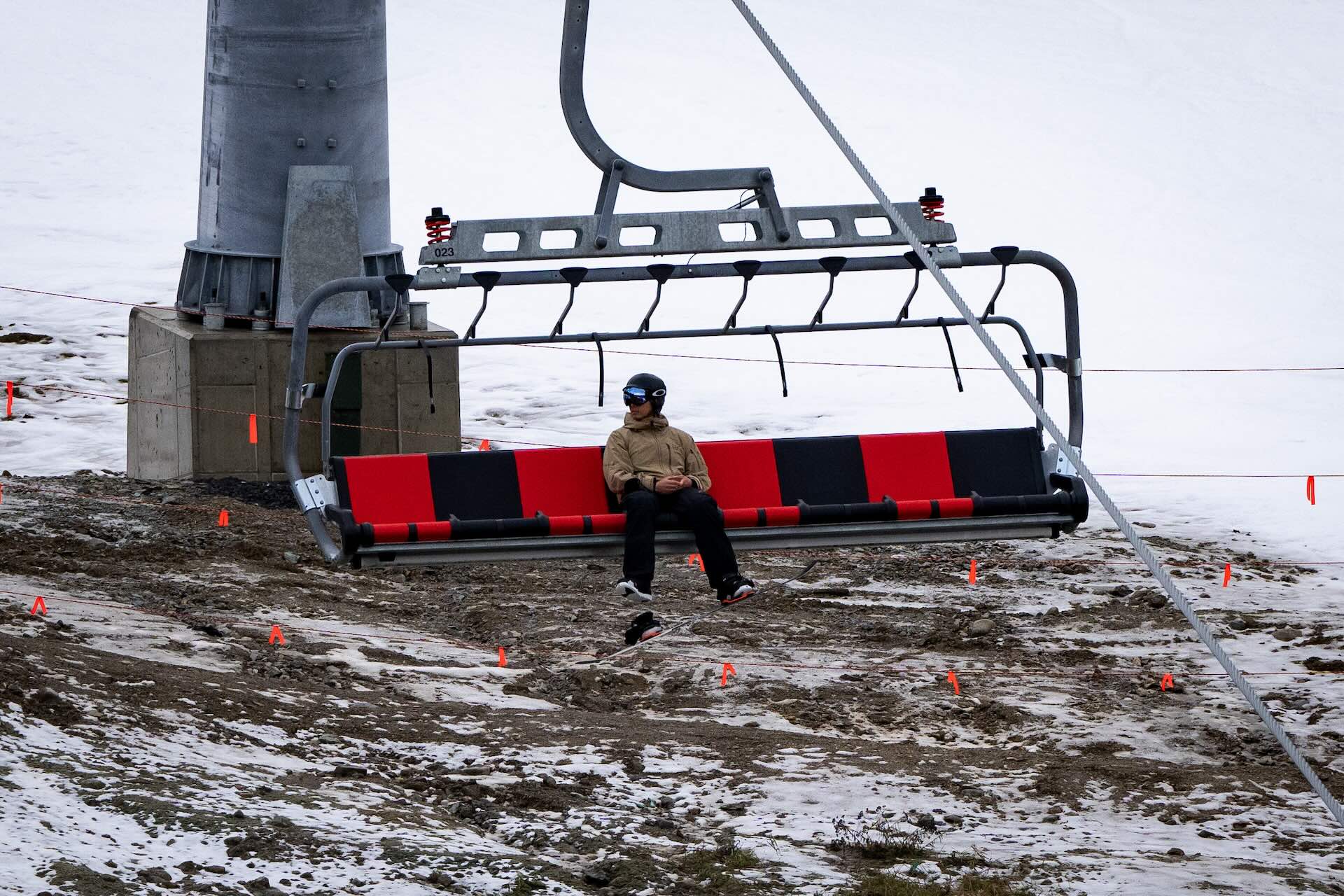
Now, when the former Team Canada skier returns to visit her parents, the conditions there aren’t quite the same. Grass pokes through thin layers of snow, and spots of mud cake the slopes.
Talking Points
- Climate change poses an “existential threat” to snow sports worldwide, according to the International Ski and Snowboard Federation
- The effects of lacklustre snowfall are spilling over into rental properties near Canadian ski resorts
“They are pretty desperate to keep the hills up,” Knowles said in an interview.
Warmer winters due to climate change and less predictable snowfall threaten to upend the Canadian ski tourism industry. It’s starting to freeze up winter-home rental demand in parts of the country, realtors told The Logic.
The UN’s World Meteorological Organization (WMO) announced a partnership with the International Ski and Snowboard Federation (FIS) earlier this month to address the worldwide impacts of global warming on the sport. FIS president Johan Eliasch called climate change an “existential threat to skiing and snowboarding” in a statement. The FIS, which organized 616 World Cup races last season, said 26 races were called off due to weather.
“Ruined winter vacations and cancelled sports fixtures are—literally—the tip of the iceberg of climate change,” WMO secretary-general Celeste Saulo wrote in the press release, adding that melting snow will have “serious repercussions” to communities, economies and ecosystems.
A study conducted by researchers at the University of Waterloo, modelled the impacts of various emission scenarios on ski tourism in Canada by 2050. Whistler, B.C., with its Olympic-level snow-making capabilities and resilient design, is predicted to face only a seven-day decrease in the ski season between the current season and a high-emission 2050 scenario.
“It can be pouring rain in the bottom half and you can still ski the top half. They’ve designed their lifts for resilience,” Daniel Scott, a professor at the University of Waterloo, said in an interview. Scott co-authored the study alongside Knowles, who’s now also a climate scientist.
Colder areas like Mont-Tremblant would be less affected, losing 22 days in the ski season, the study said. But, warmer regions like Collingwood are expected to see up to a 36-day decrease in ski days in this high-emission scenario.
“Under a high emission future, we won’t recognize the ski industry in Southern Ontario,” Scott said.
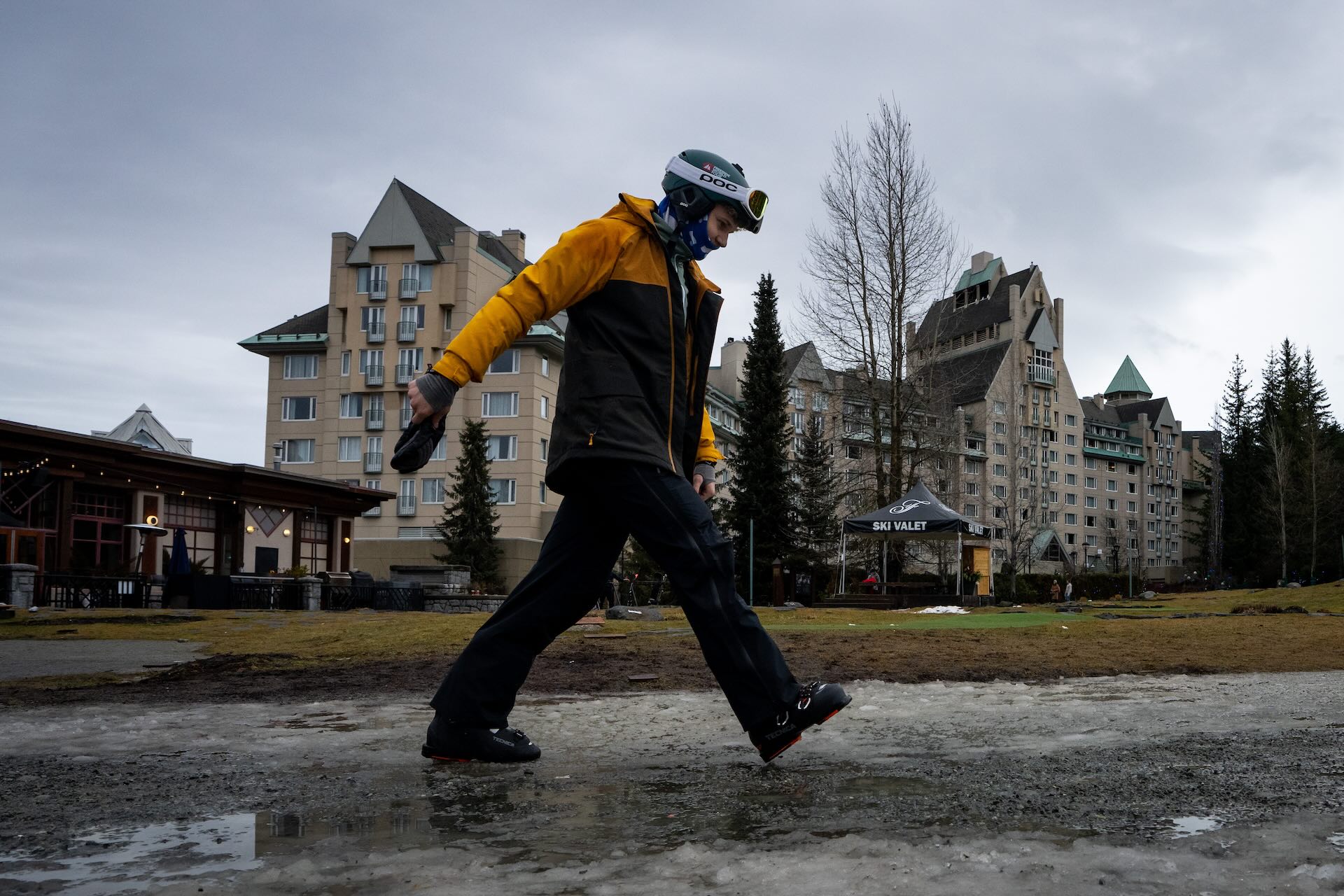
Even with Whistler’s excellent snow-making abilities, the prices of nightly rental properties could be affected due to lack of snow, even at peak times, real estate agent Dan Brown said. Photo: The Canadian Press/Ethan Cairns
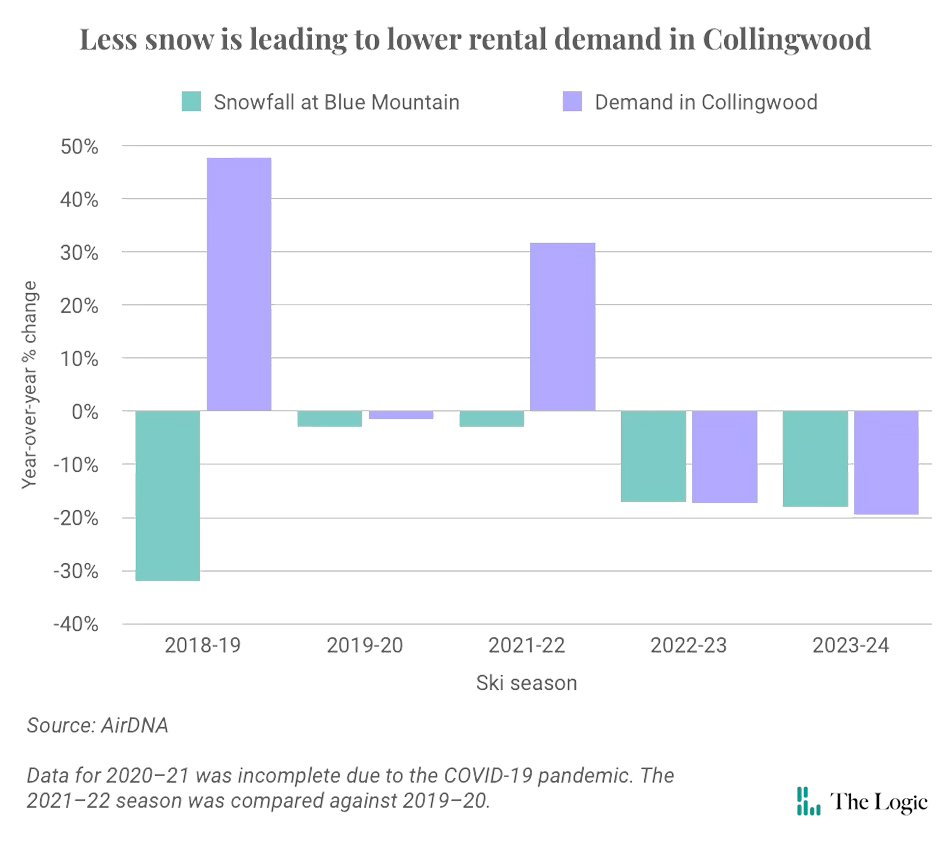
Rental demand in Collingwood, one of the largest ski areas near Toronto, has already been falling.
Over the last two years, Collingwood’s major resort and hill, Blue Mountain, has had less than its typical 90 inches of snow per year. With only 68 inches of snow in 2023, Airbnb occupancy rates in Collingwood fell to an average 37 per cent during the last ski season, according to The Logic’s calculations based on data from AirDNA—a company that collects information on the short-term rental industry—and snowfall data from Blue Mountain. That’s the lowest winter season rate ever recorded in AirDNA’s seven-year database for Collingwood.
The spring of 2024 was unusually warm, Knowles said, with a “huge thaw” in the middle of the season. The Airbnb rental occupancy in April 2024 was the lowest monthly rate ever recorded by AirDNA in Collingwood, at 27 per cent.
Blue Mountain has been expanding its outdoor winter activity offerings to attract visitors in warmer seasons. The resort has also increased the amount of snow made with machines, spokesperson Tara Lovell said in a statement. Lovell added when there’s a lack of snowfall in the city, it can be a “challenge” to convince people that there will be snow on the hills.
Renters who previously committed to a place for the season well in advance now prefer to rent for short stints depending on the weather forecast, Desmond von Teichman, a Collingwood-area real estate agent said in an interview. They’d rather book for a couple of weekends in early spring instead of “taking a chance over Christmas,” von Teichman said.
At Canada’s biggest ski resort, Whistler Blackcomb in B.C., winter renters specifically come to ski, so they tend to stay longer and travel from farther away than in any other season, according to Dan Brown, a real estate agent in the area.
December is the most profitable month for rental income. But even with the town’s excellent snow-making abilities, Brown said, the prices of nightly rental properties could be affected due to lack of snow, even at peak times.
“People buy because of a lifestyle—so definitely getting snow helps,” he said. “If they have a great experience, they’re more likely to want to purchase a property.”
For buyers, just the threat of Whistler losing its winter-wonderland aesthetic has started to diminish appetite, Brown said.
Across the country, smaller, community and family-run ski areas away from big resorts face an even more uncertain fate. Without the buffer of operating in multiple locations—like many resorts do—rental markets near smaller ski areas can’t afford to have a bad season, Knowles said.
“Those grassroots areas, I think, will be impacted first,” she said, “and I would say that that’s really where people learn to ski.” Warmer winters will greatly affect the culture of winter sports in the future, Knowles said.