
Listen Now
0:00
OTTAWA — Marianella DelaBarrera was boarding her flight at the Guadalajara airport on Sunday morning when her phone started pinging. She and many of her fellow passengers on the Toronto-bound plane had been in Mexico for a trade mission aimed at helping Canadian businesses build new relationships in that country—and start making deals.
Although she saw no sign of it where she was, the notifications warned of chaos beginning to erupt. After Mexican military commandos captured a drug lord known as “El Mencho,” who then died in custody, armed members of his cartel retaliated by attacking gas stations and other businesses, lighting fires and setting up roadblocks throughout the state of Jalisco, which includes Guadalajara and the popular vacation destination of Puerto Vallarta.
Talking Points
- Businesses that joined a “Team Canada” trade mission to Mexico remain optimistic about their prospects in that market, despite widespread violence and disruption stemming from the death of a drug cartel leader
- Participants said expanding into new markets means taking a long-term view
As the plane took off, DelaBarrera saw plumes of black smoke on the horizon.
The violence was a stark reminder of the risks of doing business in Mexico, although those who have been doing it for decades suggest it stemmed from bold government action against a powerful drug cartel, which could ultimately lead to greater security. For DelaBarrera and others who spoke to The Logic after returning home from one of Canada’s largest-ever trade missions, it was not a reason to abandon their plans for the country.
The marketing and communications executive had left her earlier meetings feeling optimistic about expanding the Mexican footprint of the company she works for, MI Concept + Design, a Toronto-based firm that designs visitor experiences at cultural attractions such as amusement parks and zoos. The events that followed the trade mission, when the federal government urged any Canadians in Puerto Vallarta to shelter in place, are not changing those plans—especially now that the requests for proposals are rolling in.
Related Articles
“I don’t feel like there’s anything that would hold us back from moving forward,” she said.
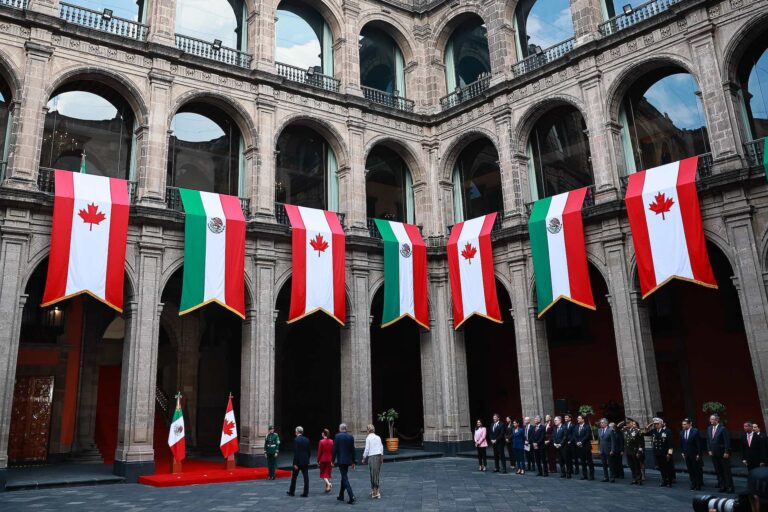
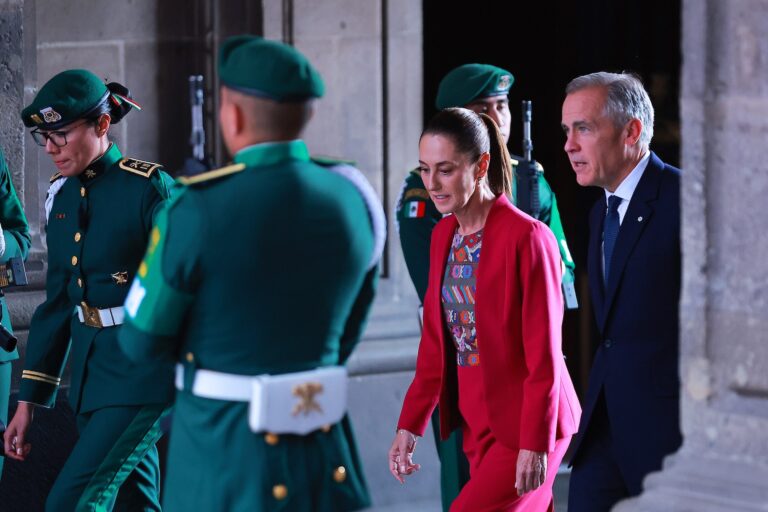
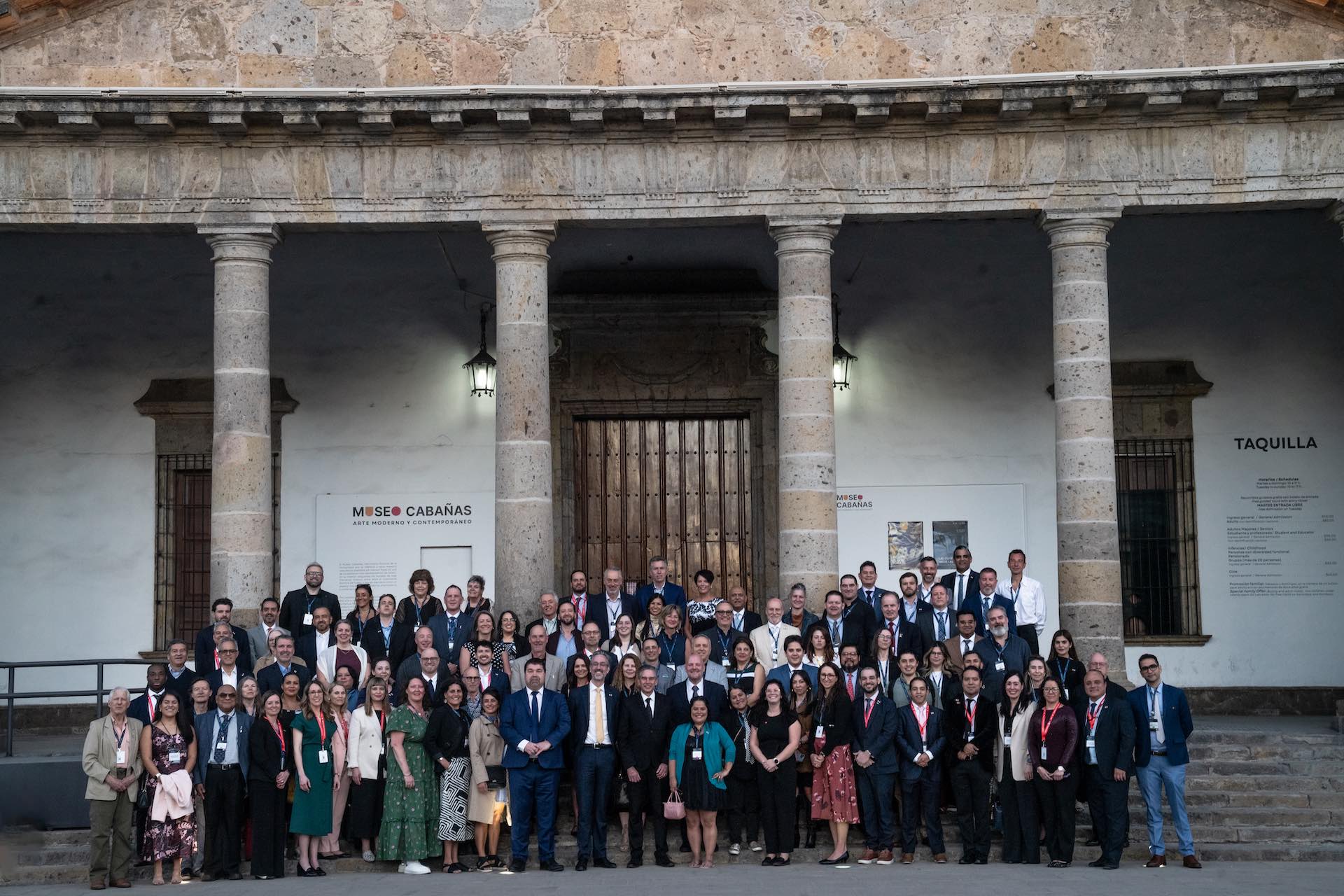
More than 370 people from about 240 businesses and industry associations joined a “Team Canada” trade mission to Mexico last week led by Canada-U.S. Trade Minister Dominic LeBlanc. The trip, which follows Prime Minister Mark Carney’s September visit to Mexico City to meet President Claudia Sheinbaum, was designed to strike up and strengthen relationships between business owners and investors in the two North American countries, which are far more used to dealing with the superpower between them. In 2025, Mexico made up four per cent of Canada’s total merchandise imports and one per cent of Canada’s total exports.
Scotiabank, which has been in Mexico since 1967, is one of the businesses taking the long view. In an earnings call on Tuesday, CEO Scott Thomson described the cartel crackdown as part of Sheinbaum’s ongoing efforts to address U.S. concerns, which have also included measures on immigration and Chinese investment. Francisco Aristeguieta, head of international banking, said it could affect tourism numbers, but stressed Scotiabank is not involved in resort financing. “We’re going to go through some short-term volatility,” he said, “but very much in line with what we want to see the country do in the long term, given our commitment to the country.”
Mónica Lugo, director of institutional relations at Prodensa, a consulting firm that helps foreign investors set up manufacturing operations in Mexico, agreed with that broader view. “As a Mexican, I can tell you it’s better to have had this than nothing at all,” said Lugo, a former trade negotiator for the Mexican government. “We feel safer now, after all this has happened.”
Chad Watson, president and CEO of Quickmill, a Peterborough, Ont.-based company that makes computer-controlled equipment used in advanced manufacturing, said uncertainty over the future of the North American trade pact has him looking beyond the U.S., which currently accounts for about 85 to 90 per cent of his business. It helps that Mexico is close enough that his company can ship large equipment there by truck. It also helps that, like Canada, it is open to new relationships amid the U.S. trade war.
“I heard a lot from the Mexican companies that the U.S. is still their number 1 trading partner and their number 1 business sector, and that remains the same for us,” Watson said. “But both of us see a need to diversify and potentially partner with each other.”
Catherine Fortin LeFaivre, senior vice-president of international policy at the Canadian Chamber of Commerce, said Mexican officials and business leaders shared statistics that suggest a reduction in crime. “They made such a big deal out of us coming, and they were so welcoming that obviously, keeping the security situation at bay is going to be key,” she said. “I think just time will tell.”
Blair Hyslop, co-CEO and co-owner of Mrs. Dunster’s, a commercial bakery headquartered in Sussex, N.B., best known for its homestyle doughnuts, said he met with nearly every major retailer in Mexico last week as his company looks to start selling to that market.
After spending part of his career working on emerging markets for McCain Foods, including Mexico, Hyslop said he learned to keep his eye on the bigger prize. “If you’re going to go into an international market, then you’ve got to show your commitment to be there for the long run and over the bumps in the road that occur.”













