Listen Now
0:00
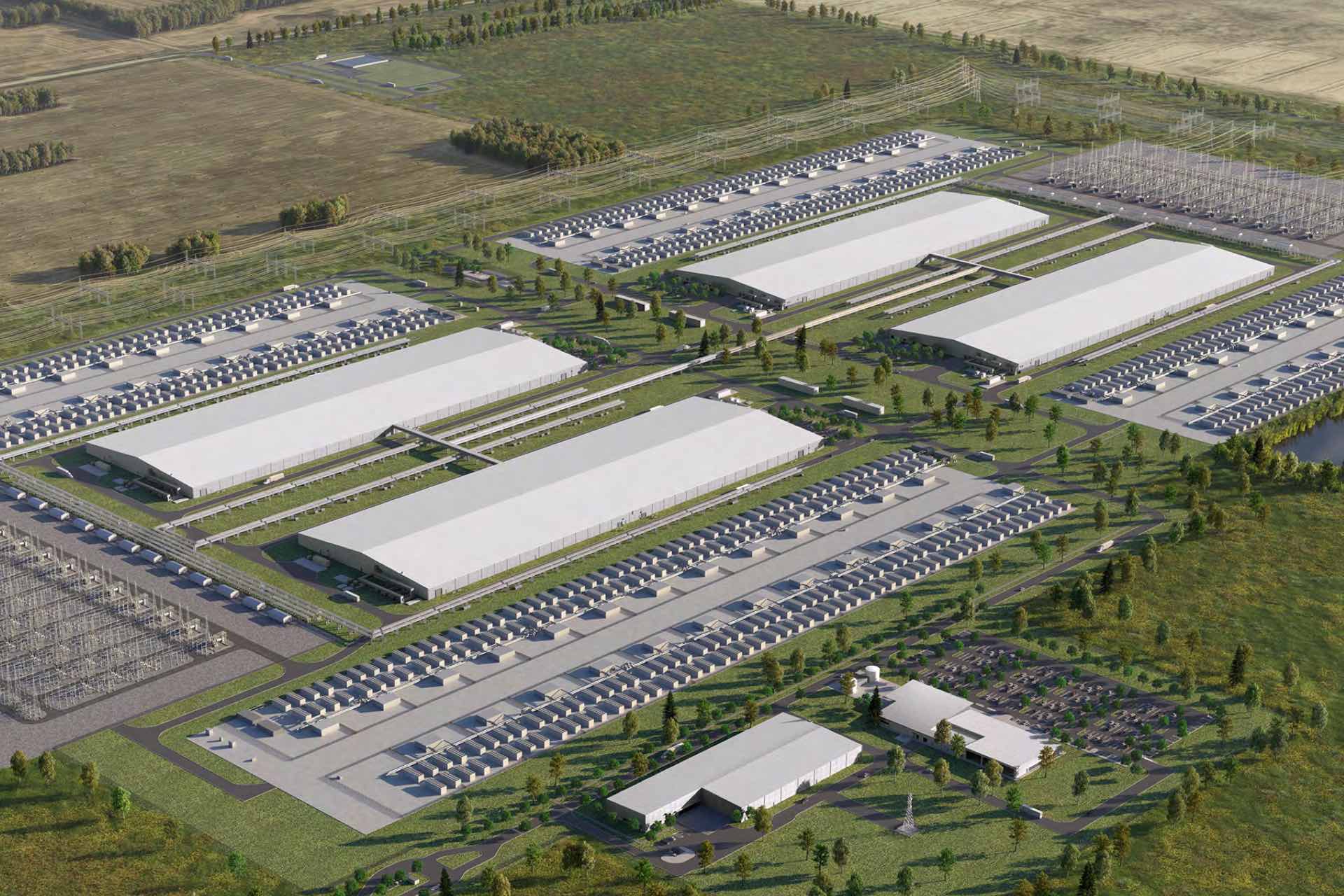
CALGARY — Two years after Meta executives met Alberta officials at the company’s Silicon Valley headquarters—where, the province’s technology minister recalled, “they had not yet heard of Alberta”—the tech giant said it is prepared to break ground on a $13 billion data-centre project northeast of Edmonton that will be its largest outside the U.S.
The sprawling one-gigawatt campus will be powered by Pembina Pipeline’s Greenlight Electricity Centre, a major natural-gas power plant that received a positive final investment decision last week. Alberta officials and industry watchers say Meta’s facility could eventually scale to 1.8 gigawatts or more based on Greenlight’s generation capacity, though Meta declined to put a timeline on expansion.
Talking Points
- Tech giant Meta says it will spend $13 billion on a data-centre complex in Sturgeon County, Alta., the company’s largest outside the United States
- The facility will eventually be powered by a natural-gas power plant planned by Pembina Pipeline, and could be expanded, company officials said
- The announcement is a major step in the Alberta government’s effort to become a go-to location for Big Tech data centres
The Logic was the first to report last year on Meta’s plans for a massive AI data-centre development in the region, although none of the players involved publicly acknowledged the tech giant’s participation until now.
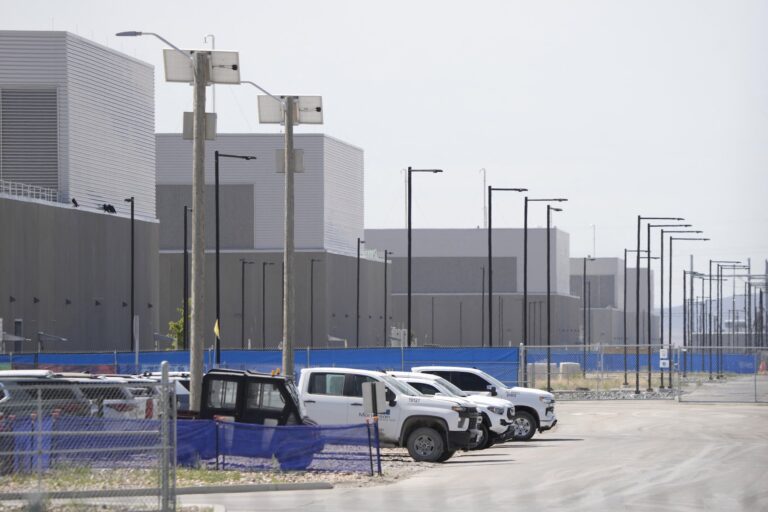
The Alberta government is courting Big Tech’s AI data centres even as the sector faces growing backlash over development across the United States. Meta’s Alberta project and its associated power plant will be built in an established heavy industrial area surrounded by refineries and petrochemical facilities in Sturgeon County. The company and the province suggested the location will be less prone to the types of conflicts and community opposition that have beset projects closer to residential areas.
Technology Minister Nate Glubish said Alberta looked closely at those disputes before designing its policy aimed at attracting hyperscale data centres, while protecting power reliability and addressing environmental concerns.
Related Articles
The province is in talks with 60 different data centre proponents, Glubish said, using what it bills as a “concierge” service that seeks to answer each party’s specific needs. “Now that every other hyperscaler in the world is going to see if Meta can do it, anybody can do it, and our invitation to them is, ‘come work with our concierge, we’ll show you exactly how to get it done,’” he said. Alberta is also betting that the facilities could become a major new source of demand for the province’s abundant, low-cost natural gas.
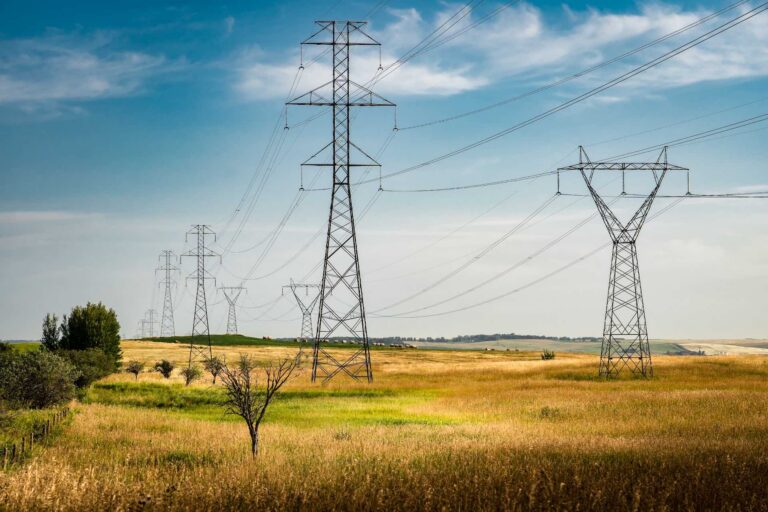
The province initially capped grid access for large new power users at 1.2 gigawatts, but is now proposing a further 1.6-gigawatt pool of temporary, “interruptible” grid access for data centres that commit to building enough gas-fired generation to eventually supply their own electricity needs.
At a packed announcement in Calgary on Wednesday, Meta’s vice-president of data-centre development said the company’s plan to fund new generation and grid infrastructure would improve reliability across the entire grid.
“Meta pays the full cost of our data centre’s energy use, so those costs are not passed on to consumers,” said Gary Demasi.
The company also said it plans to use a closed-loop liquid-cooling system combined with dry cooling to reduce its water usage, saying its total annual water use would be less than that of a typical Alberta golf course.
The province is hoping Meta’s investment serves as proof that Alberta can lure hyperscalers by offering interim grid access without leaving residents to shoulder the costs or risks of the sector’s enormous power needs.
“We’ve been watching what has been happening around the world, we’ve heard the local concerns,” Premier Danielle Smith said. “We took those seriously, and I believe that this particular project answered all of those.”
Still, some other proposed data-centre projects in Alberta have faced local pushback, including a multibillion-dollar project in Olds, north of Calgary, proposed by Canadian digital infrastructure firm Synapse; it recently saw its application paused by the Alberta Utilities Commission. Kevin O’Leary’s pitch for a massive data-centre development called Wonder Valley in northwestern Alberta has faced delays and opposition over its potential environmental impact and a lack of consultation with Indigenous communities.
The Pembina Institute said Wednesday that Alberta’s approach effectively forces data-centre developers to build natural gas-fired generation, instead of pursuing combinations of renewables and storage. It’s an approach the environmental group said could result in higher costs for consumers if demand for natural gas increases and prices rise significantly.