Arcadium Lithium, the result of a recent mega-merger combining two of the world’s biggest lithium companies, is opening the door to investors who could speed up development of its second Quebec project, CEO Paul Graves said. Ontario could be in the running for a future factory, he added, as the company tries to more than double its sales volumes by 2028.
Skip to content
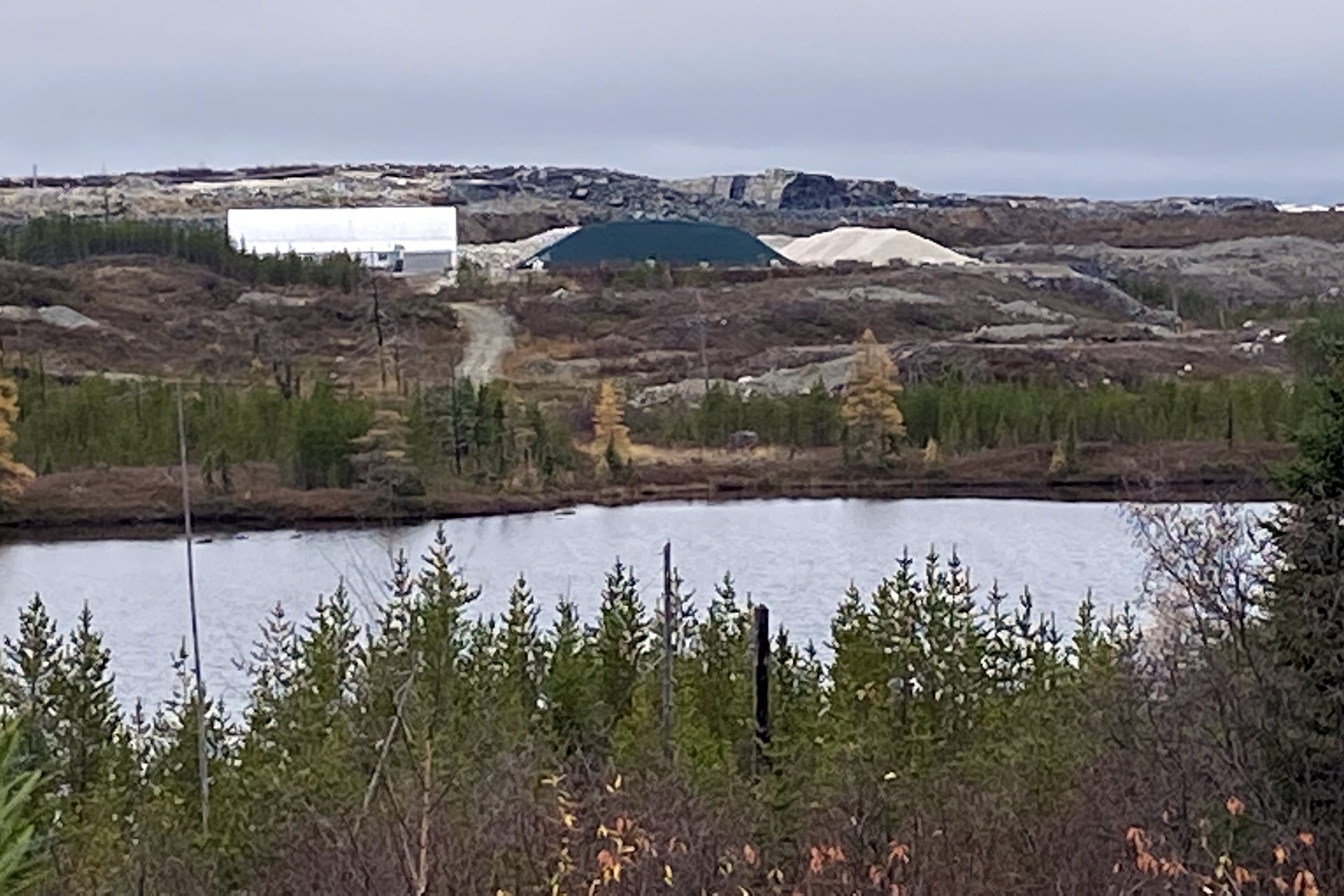 Nemaska Lithium's Whabouchi mine site in the James Bay region of northern Quebec, in October 2022. Photo: The Canadian Press/Stephane Blais

News
Lithium giant eyes Ontario plant, Quebec investments despite downturn
Arcadium execs to visit battery epicentre of Becancour, Que., this weekend
Nemaska Lithium's Whabouchi mine site in the James Bay region of northern Quebec, in October 2022. Photo: The Canadian Press/Stephane Blais
Arcadium Lithium, the result of a recent mega-merger combining two of the world’s biggest lithium companies, is opening the door to investors who could speed up development of its second Quebec project, CEO Paul Graves said. Ontario could be in the running for a future factory, he added, as the company tries to more than double its sales volumes by 2028.
Lithium, a key component of electric-vehicle batteries, has gone through a boom-bust cycle that since the start of the year has pushed Arcadium’s stock down about 65 per cent, as automakers and battery companies delay their projects. The company co-owns Nemaska Lithium with Investissement Québec, and has long-term deals with Tesla, Toyota, Ford, BMW, Panasonic and General Motors, among others.
Despite the downturn, Graves said the company is confident of its long-term prospects as it considers future Canadian deals. As executives and key shareholders visit Becancour, Que., this weekend, here’s what they’ll be watching.
Related Articles

Don’t call it a comeback: Arcadium cut about 11 per cent of its workforce in the first quarter, and announced last month it was pausing investment for its second Quebec project, Galaxy, in the James Bay area, citing a slowdown in demand. At that time the company announced it was seeking a capital partner for the Galaxy project.
Though it pushed the Galaxy project timeline a year or two, Graves said the move was not a restructuring. The merger of Livent and Allkem that created Arcadium, he said, resulted in redundancies that drove the cuts.
“We try to look past the short-term negativity that we see out there,” he said. “We’re pretty bullish that in the long run this trend toward electrification is unstoppable.”
Canadian ambitions: Even as it pauses Galaxy, the company is forging ahead with its Nemaska project. Graves said it would be interested in someday buying back some of Investissement Québec’s stake in Nemaska for more ownership and control, or bringing on new investors.
“We will absolutely run Nemaska,” he said. “We’re comfortable with it because there’s a lot of demand for lithium that is produced outside China.”
The firm also acquired an Ontario lithium-metal technology startup, Li-Metal, in August, including its pilot factory in the province. Should the Galaxy project restart with fresh funding, Graves said, the company would consider Ontario among potential locations for a processing plant.
The takeaway: The federal government estimates Canada will need five lithium mines, five lithium hydroxide plants and two lithium carbonate plants to support the heavily subsidized battery gigafactories planned by Volkswagen, Northvolt, Honda and Stellantis. Graves praised Canada’s free-trade relationships, but said the country must keep building up skilled talent, adding infrastructure in mining hot spots and aligning project approvals between levels of government.
Lithium might be a proxy for other trends, like EVs or geopolitical tensions. But at its heart, Graves said, it’s “a complicated chemical product that requires long-term investments and commitments.”



Loading...
Thanks for sharing!
You have shared 5 articles this month and reached the maximum amount of shares available.
CloseThis account has reached its share limit.
If you would like to purchase a sharing license please contact The Logic support at [email protected].
CloseGift the full article!
You have gifted 0 article(s) this month and have 5 remaining.
Recipients will be able to read the full text of the article after submitting their email address. They will not have access to other articles or subscriber benefits.
Photo: The Canadian Press/Stephane Blais
Most Popular This Week




In-depth, agenda-setting reporting
Great journalism delivered straight to your inbox.
News
Panel decries Canada’s chaotic way of funding world-class science
Briefing
Feds pledge $15M for U.S. satellite navigation company Xona to expand in Montreal
Inovia raises US$200M for new VC fund as it eyes AI’s impact
43% of eligible Albertans voted ahead of Monday’s referendum
Best business newsletter in Canada
Get up to speed in minutes with insights and analysis on the most important stories of the day, every weekday.
Exclusive events
See the bigger picture with reporters and industry experts in subscriber-exclusive events.
Membership in The Logic Council
Membership provides access to our popular Slack channel, participation in subscriber surveys and invitations to exclusive events with our journalists and special guests.