OTTAWA & TORONTO — Canadian and Indian ministers sounded optimistic notes about the two countries reaching a transitional trade deal, following a high-profile visit from the subcontinent.
Skip to content

News
Indian minister’s visit to Canada yields progress on interim trade deal, both sides say
The two countries ‘moved the needle on a fast-track basis,’ says Piyush Goyal
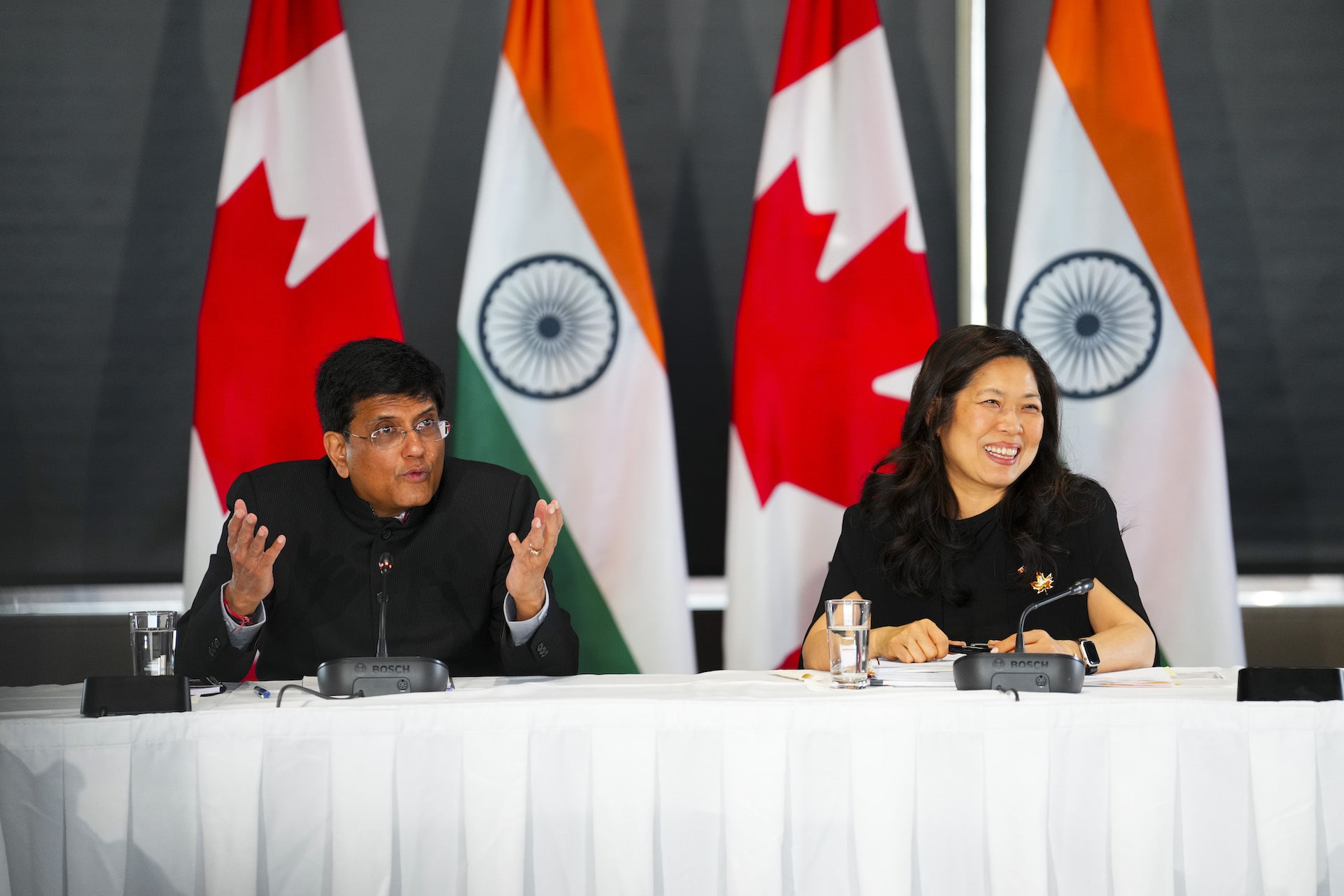
Minister of International Trade, Export Promotion, Small Business and Economic Development Mary Ng hosts India’s Minister of Commerce and Industry, Consumer Affairs and Food, and Public Distribution and Textiles, Piyush Goyal in Ottawa on Monday, May 8, 2023. Photo: The Canadian Press/Sean Kilpatrick
OTTAWA & TORONTO — Canadian and Indian ministers sounded optimistic notes about the two countries reaching a transitional trade deal, following a high-profile visit from the subcontinent.
Indian Commerce Minister Piyush Goyal on Wednesday concluded a three-day trip, taking in official talks with Trade Minister Mary Ng in Ottawa and joint meetings with business leaders in Toronto. The visit came just over a year after the two officially launched negotiations on an early-progress trade agreement (EPTA), with a more comprehensive deal meant to follow.
Talking Points
- Indian Commerce Minister Piyush Goyal and Trade Minister Mary Ng both say the two sides made progress on an interim trade deal during the former’s three-day visit to Canada this week
- Ottawa and New Delhi have also agreed to new collaborations on critical minerals and innovation
The two sides made “really good progress” on the EPTA during the visit, Ng told The Logic in an interview on Wednesday. Sessions in which the ministers sat in with negotiators and officials helped, she said. So did hearing from firms in each country doing business in the other, for whom the deal would “signal really importantly the commitment of the two countries [to] this relationship,” Ng added.
Goyal was similarly positive when he spoke to reporters in Toronto after the final public appearance on his schedule. “Our discussions, even though informal in this visit, were actually quite substantive and have moved the needle on a fast-track basis,” he said.
India was Canada’s ninth-largest export market last year, while Canada ranked 32nd for India. Two-way merchandise trade amounted to $13.6 billion, up from $9 billion in 2021, according to Statistics Canada data. At a series of events during the visit—attended by executives from Canadian institutional investors, post-secondary institutions and financial-services firms, as well as Indian IT and consumer packaged-goods giants—both ministers called for an increase in those numbers.
The India-Canada economic relationship so far has been “one of lost opportunities,” Goyal said, but the two sides have emerged from the last few days with “a lot of plans to take this partnership to much, much bigger levels.”
Related Articles
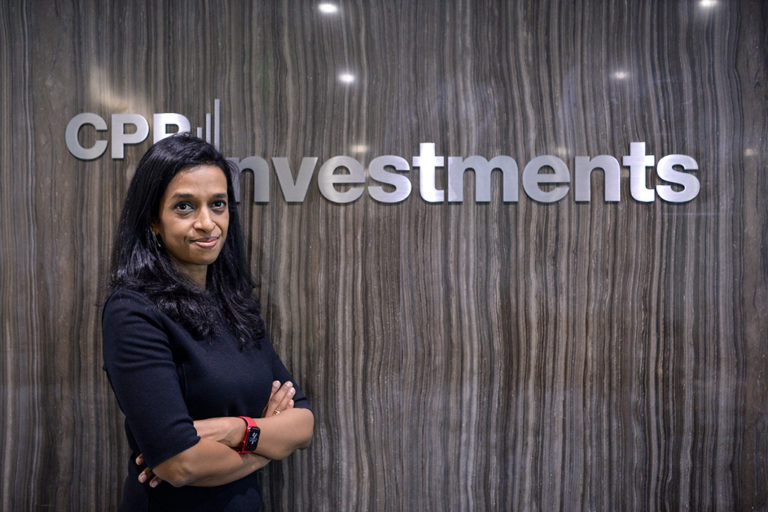
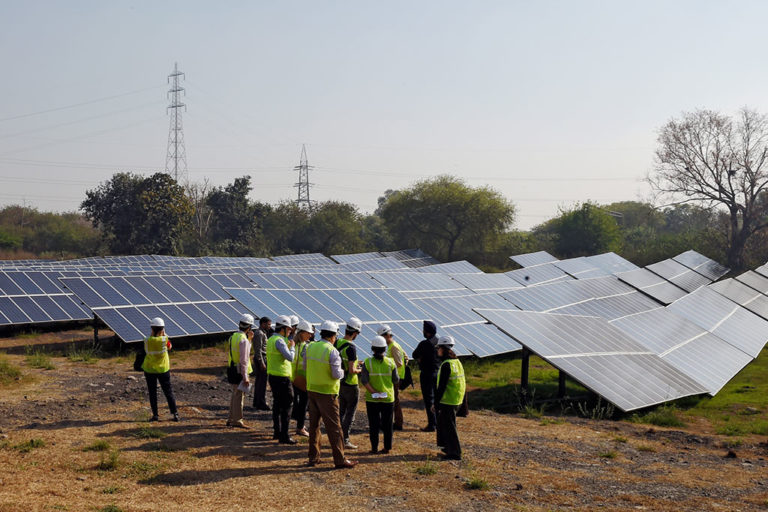
Among the commitments to emerge from the ministerial meetings, per New Delhi’s readout, are a new accord between the two countries’ respective investment-promotion agencies; an annual meeting on critical minerals; and increased cooperation in fields like cleantech, electric vehicles and AI.
Both ministers declined to put a deadline on the EPTA, or identify what sectors or measures could be included in the deal. But Goyal said an agreement before the end of the year is “not beyond the realm of possibility [and] I do wish it’s much faster than that.”
And each pointed out fields of opportunity. Ng cited India’s need for infrastructure, and its burgeoning technology and innovation ecosystem. Goyal invited Canadian mining companies to the subcontinent, noting their technical prowess. The two countries’ industrial bases are “so complementary in nature,” he said. “We couldn’t find too many areas where we really compete with each other.”
Business leaders echoed the optimistic tone, and backed the push for progress on a deal. Goyal’s visit is a mark of “commitment to ensuring that the process that [the two countries] have started will eventually come to a close,” said Goldy Hyder, CEO of the Business Council of Canada at a reception the lobby group co-hosted in Ottawa on Monday. “Soon, rather than later.”
While the mood at the podium and on the floor was upbeat, Hyder wasn’t the only one during the three-day trip to observe the changing winds of trade policy and remapping of supply chains. “What we don’t want to see is protectionism,” he said, calling for friendshoring and nearshoring to be “a celebration of multilateralism, globalization and trade.”
New Delhi has been pitching India as a landing spot for companies moving manufacturing out of China amid rising geopolitical and technological tensions. Ottawa is similarly offering major subsidies for foreign firms to locate factories making electric vehicles, batteries and other cleantech hardware here.
Ng acknowledged both countries want to grow key sectors at home, but said there’s room for collaboration, as with the U.S., EU and Japan. “We are putting our businesses together so that those value chains and opportunities could actually be built by them,” she said.
To date, Canadian commerce with India has been dominated by commodity exporters shipping oil, ores and pulse crops, as well as institutional investors splashing cash to buy up toll roads, wind farms and stakes in tech startups. Meanwhile, Indian companies have spent at least $6.6 billion here, including $700 million on R&D, according to a report the Canada-India Business Council released Wednesday examining the economic activity of 30 major subcontinental firms.
The then-Conservative government first launched free-trade talks with India in November 2010, but the effort stalled in August 2017 following 10 rounds. Both ministers insist this time is different.
“I think a lot of progress has been made in India,” Ng said, citing Goyal’s comments during the visit about the opening up of his country’s economy. After the Bharatiya Janata Party government took power in May 2014, new bilateral trade deals did not follow. But last year, India signed agreements with the UAE and Australia, the latter an interim pact.
Goyal noted that the two sides have scheduled negotiating rounds much closer together this time, and have “made tremendous progress.” While “such agreements are always full of uncertainties,” he and Ng have agreed to respect domestic economic sensitivities, he said, adding: “That was what clinched the [deals] with UAE and Australia.”
Ng has scheduled two trips to India later this year, either of which would provide the stage to announce a deal. Following the G20 Trade and Investment Ministers’ Meeting in Jaipur August, she’ll lead an in-person trade mission to the country in October.



Loading...
Thanks for sharing!
You have shared 5 articles this month and reached the maximum amount of shares available.
CloseThis account has reached its share limit.
If you would like to purchase a sharing license please contact The Logic support at [email protected].
CloseGift the full article!
You have gifted 0 article(s) this month and have 5 remaining.
Recipients will be able to read the full text of the article after submitting their email address. They will not have access to other articles or subscriber benefits.
Photo: The Canadian Press/Sean Kilpatrick
Most Popular This Week



In-depth, agenda-setting reporting
Great journalism delivered straight to your inbox.
News
Panel decries Canada’s chaotic way of funding world-class science
Briefing
AI is pushing insurers to become asset managers, Canadian CEOs say
Trump administration faces lawsuit over 50% tariffs on Canadian goods
Canada-U.S. trade war to reduce real GDP by 1.4% over 2024 levels after five years: PBO
Best business newsletter in Canada
Get up to speed in minutes with insights and analysis on the most important stories of the day, every weekday.
Exclusive events
See the bigger picture with reporters and industry experts in subscriber-exclusive events.
Membership in The Logic Council
Membership provides access to our popular Slack channel, participation in subscriber surveys and invitations to exclusive events with our journalists and special guests.





