Limiting Russia’s access to the global financial system has been the West’s lever of choice to deter President Vladimir Putin from further escalating the invasion of Ukraine. New sanctions on hundreds of Russian businesses and people, including the country’s central bank and Putin himself, have devastated the Russian economy in a matter of days, prompting bank runs and bankruptcies.
Skip to content

News
In Ukraine war, crypto faces another test
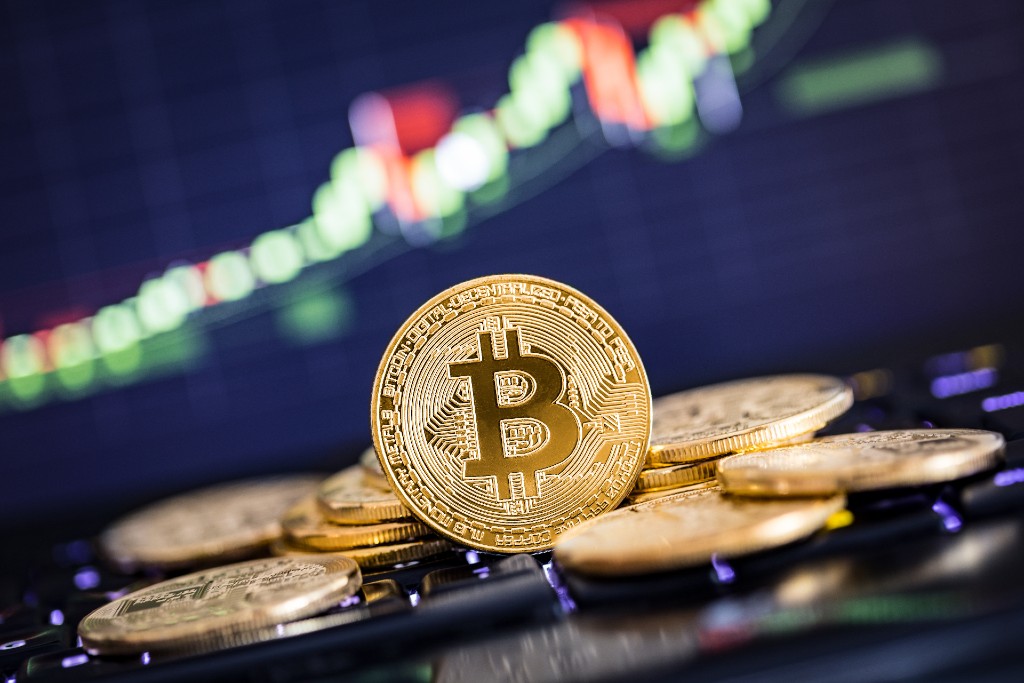
Photo: Shutterstock
Limiting Russia’s access to the global financial system has been the West’s lever of choice to deter President Vladimir Putin from further escalating the invasion of Ukraine. New sanctions on hundreds of Russian businesses and people, including the country’s central bank and Putin himself, have devastated the Russian economy in a matter of days, prompting bank runs and bankruptcies.
A parallel network: As anyone who follows crypto knows, there is a growing alternative to the system that western governments have weaponized to punish Russia—one that is not fully within their control. Canadians became especially aware of that last month when, shut out by crowdfunding platforms like GoFundMe, anti-government protesters in Ottawa turned to Bitcoin for donations. Russians facing sanctions may now use crypto in much the same way.
The latest: Some of the world’s largest exchanges have said they’re staying put in Russia, even as companies like Apple and payments company Wise have suspended or restricted their financial services there. Binance, Kraken and Coinbase said they won’t blanket block Russian users, arguing that doing so would punish ordinary citizens—some of whom are turning to crypto as a lifeline in a collapsing economy. The policy has drawn scrutiny from some anti-money-laundering experts, according to Reuters. But the West’s use of the financial system to punish Russia has also gone against the crypto industry’s ethos, which holds that no one should control who can and can’t have access.
Ukraine support: At the same time, Ukraine’s use of crypto to solicit donations for its resistance efforts has demonstrated another reality. While crypto may be useful for evading sanctions, Ukraine has raised more than US$50 million in crypto donations, and is planning to sell NFTs to fundraise for its military. That’s certainly easier than waiting several days for a money transfer.
The takeaway: There’s an interesting question at the heart of all this. Can a system be neutral—or positive—even if it enables bad actors?



Loading...
Thanks for sharing!
You have shared 5 articles this month and reached the maximum amount of shares available.
CloseThis account has reached its share limit.
If you would like to purchase a sharing license please contact The Logic support at [email protected].
CloseGift the full article!
You have gifted 0 article(s) this month and have 5 remaining.
Recipients will be able to read the full text of the article after submitting their email address. They will not have access to other articles or subscriber benefits.
Photo: Shutterstock
Most Popular This Week




In-depth, agenda-setting reporting
Great journalism delivered straight to your inbox.
The Big Read
Beacon is building an AI empire by fixing Main Street’s software
Briefing
Inovia raises US$200M for new VC fund as it eyes AI’s impact
43% of eligible Albertans voted ahead of Monday’s referendum
AI chip company Tenstorrent raises US$1.5B, valuing it at US$6.2B
Best business newsletter in Canada
Get up to speed in minutes with insights and analysis on the most important stories of the day, every weekday.
Exclusive events
See the bigger picture with reporters and industry experts in subscriber-exclusive events.
Membership in The Logic Council
Membership provides access to our popular Slack channel, participation in subscriber surveys and invitations to exclusive events with our journalists and special guests.







