OTTAWA — Monday night’s election cost Conservative Leader Pierre Poilievre not only his seat in the House of Commons, but two key members of his economic bench as well.
Skip to content

News
The election has taken a big bite out of Pierre Poilievre’s economic braintrust
The handful of Conservative incumbents who shaped policies on innovation and the economy lost their seats. One of them was Pierre Poilievre.
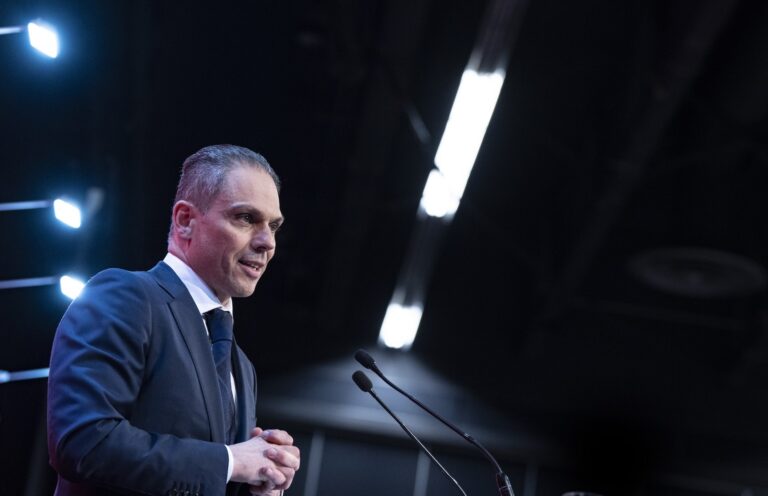
Pierre Poilievre's failure to win his own riding deprives the party of a key voice in Parliament on economic issues. Photo: The Canadian Press/Chris Young
OTTAWA — Monday night’s election cost Conservative Leader Pierre Poilievre not only his seat in the House of Commons, but two key members of his economic bench as well.
The Conservatives made huge gains in Monday’s vote, climbing from 119 seats in the 2021 election to a projected 144 as of Tuesday afternoon, when the votes were still being counted. Many of those new Conservative seats are in the industrial and automaking belt of southwestern Ontario—blue-collar ridings in places like London and Windsor that have typically voted NDP.
Talking Points
- Three of the Conservatives’ top policy minds on innovation and the economy were voted out of Parliament on Monday, including leader Pierre Poilievre
- Open banking champion Ryan Williams and innovation critic Rick Perkins were among the relatively few Tory incumbents to go down on a night when the party expanded its caucus
- The loss of Poilievre’s long-held Ottawa seat has added to questions about whether he will be able to stay on as leader
Still, the party’s few losses could cost it dearly in economic and innovation policymaking expertise.
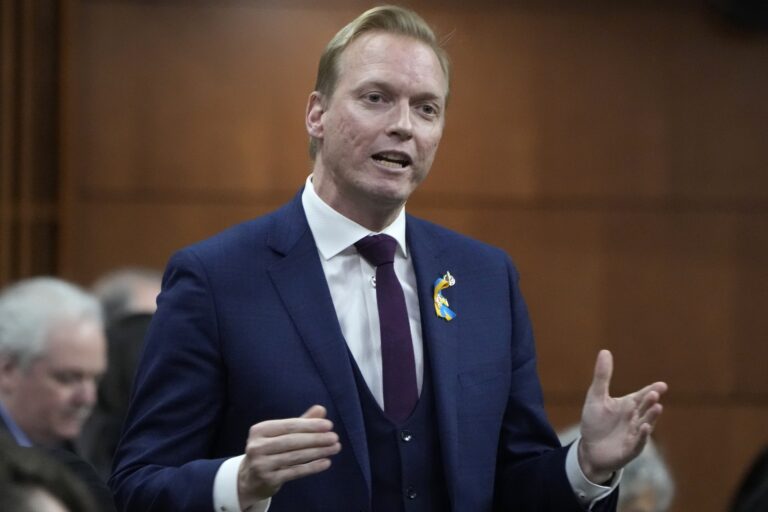
Poilievre, whose economic vision has driven the Conservative party since he became leader in 2022, lost the Ottawa-area riding of Carleton, which he held for more than 20 years. Despite plans to stay on as leader, the loss raises questions about whether he’ll be able to retain the helm of the party. Meanwhile, his critic for innovation, science and industry, Rick Perkins, was defeated in a tight race in the Nova Scotia riding of South Shore-St. Margarets, while Ryan Williams, the Tory critic responsible for competition and trade, lost his Ontario seat in the Bay of Quinte.
The two were part of what Perkins described as a concerted effort by the party to connect with Canadian innovators and businesses to help inform the Conservatives’ election platform.
“Their absence will be felt, no doubt,” said a senior source in the party, who asked not to be named because they are not authorized to discuss internal matters. Both former critics are smart, and deft at handling committee and economic files, the source said.
Related Articles
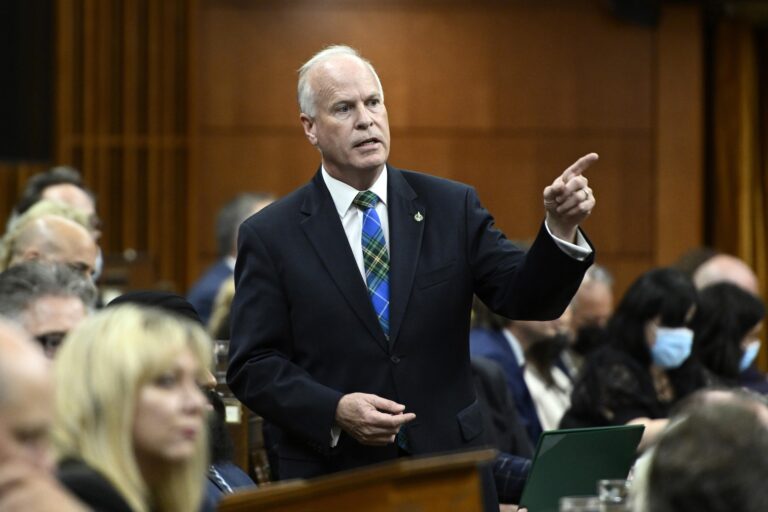
Perkins took a leading role in pushing federal ministers, public servants and industry leaders for answers about a spending scandal last year involving Sustainable Development Technology Canada, an arms-length foundation responsible for doling out hundreds of millions in federal funds for green technology projects.
The ethics commissioner and the auditor general flagged serious “significant lapses” in the foundation’s handling of the money, in what the Conservatives dubbed the “green slush fund” scandal. The foundation was shut down after the auditor general’s office released the results of its investigation.
Perkins, a former Business Development Bank of Canada board member, also served as a sounding board for Poilievre on innovation policy, and offered advice to the leader about how best to keep intellectual property and businesses in Canada.
Williams, meanwhile, championed open banking with a 2023 private member’s bill that would have forced the Liberal government to table a plan for what the government called “consumer-driven banking.” The bill never made it into law, but was lauded by fintechs who saw the Tories as potential partners.
“We will carry on and build on foundations set by Rick, Ryan, and the team from the last Parliament,” the source said.
The Conservative bench still includes finance critic Jasraj Singh Hallan, Deputy Leader Melissa Lantsman and national revenue critic Adam Chambers.
Though critics helped inform Poilievre’s approach to his election platform, much of his economic policy was based on his own ideas, some of which he’s held since before he ran for office. Without a seat in the House of Commons, he can technically still lead with the support of his party. But he won’t be able to exercise his parliamentary debating skills on Prime Minister Mark Carney.
In his concession speech Monday, Poilievre indicated he has no intention of willingly relinquishing the reins. “The promise that was made to me, and to all of you, was that anybody from anywhere could achieve anything,” he told supporters at his election-night event in Ottawa. “My purpose in politics is, and will continue to be, to restore that promise.”
For the last two years, it looked as though Poilievre would get the chance to try, as the Conservatives polled well ahead of the beleaguered Liberals under former prime minister Justin Trudeau. The projections changed drastically after Trudeau’s resignation, though, as Carney launched his leadership bid and U.S. President Donald Trump openly threatened Canada’s sovereignty.
Poilievre’s flagging fortunes during the campaign exposed fissures over his leadership, as Conservatives raised alarms about his resolute focus on the Liberal record rather than the trade threats from Trump. In an interview with Politico in the final days of the campaign, Ontario Premier Doug Ford openly criticized Poilievre for failing to connect with premiers and mayors.
Ontario Conservative MP Jamil Jivani responded on election night, accusing Ford in an interview on CBC of “always getting his criticisms and all his opinions out, distracting our campaign, trying to make it about him, trying to position himself as some kind of political genius that we needed to be taking cues from.”
For Poilievre, the risk now is that recent history will repeat itself. The last two Conservative leaders who failed to deliver election wins have resigned or been ousted by their caucuses. Andrew Scheer stepped down in 2019 amid public censure from within his own party, while Erin O’Toole was voted out by his caucus after failing to take down the minority Liberals in 2021.
Poilievre’s staff did not respond to questions Tuesday about the leader’s plans, and he did not make any public appearances.



Loading...
Thanks for sharing!
You have shared 5 articles this month and reached the maximum amount of shares available.
CloseThis account has reached its share limit.
If you would like to purchase a sharing license please contact The Logic support at [email protected].
CloseGift the full article!
You have gifted 0 article(s) this month and have 5 remaining.
Recipients will be able to read the full text of the article after submitting their email address. They will not have access to other articles or subscriber benefits.
Photo: The Canadian Press/Chris Young
Most Popular This Week




In-depth, agenda-setting reporting
Great journalism delivered straight to your inbox.
News
National Bank CEO warns AI alone won’t give banks a lasting edge
Briefing
Canada and Ontario commit over $5B to support tariff-hit steel sector
Hackers will see cars as major targets in next 3 years, 83% of car-tech workers say
EA shutting down Edmonton studio BioWare
Best business newsletter in Canada
Get up to speed in minutes with insights and analysis on the most important stories of the day, every weekday.
Exclusive events
See the bigger picture with reporters and industry experts in subscriber-exclusive events.
Membership in The Logic Council
Membership provides access to our popular Slack channel, participation in subscriber surveys and invitations to exclusive events with our journalists and special guests.





