“You’ve got to hit singles and doubles and home runs to be successful.”
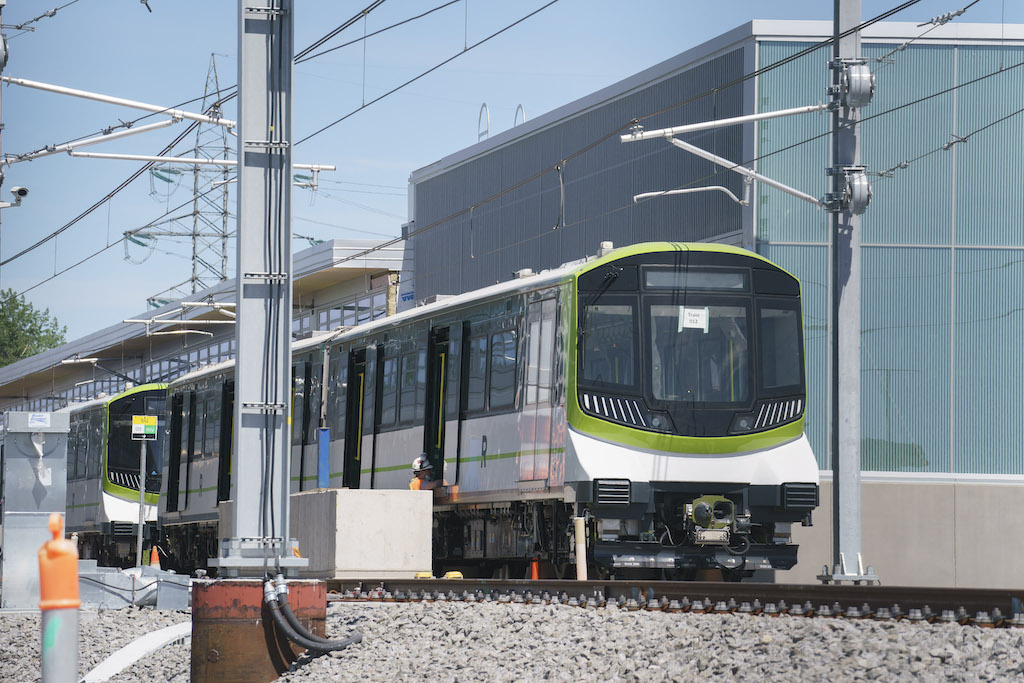
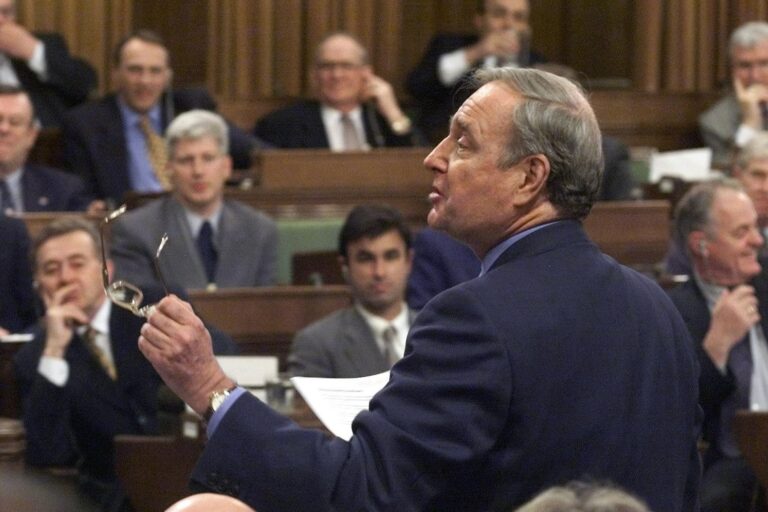
Canada Infrastructure Bank CEO Ehren Cory reached for a baseball metaphor Wednesday morning in speaking to the Canadian Council for Public-Private Partnerships, arguing that the federal infrastructure agency he runs has found an approach that’s manageable but productive. “I think when the CIB started, we hit a huge home run: we did the REM [Montreal regional rail] project. But we had to then work on finding the next of those and there [was] a trough. Now what we’re doing, I think, is we’re much smarter about layering that cake.”
Instead of trying to make transformative changes with every deal, he said, the often-criticized $35-billion CIB is demonstrating its value to both the government that funds it and potential private and institutional investors by building a portfolio of deals for things like municipal zero-emission buses (relatively simple), interjurisdictional electricity links (complex, with multiple players) and small modular nuclear reactors (novel and therefore extra-complicated).
According to the bank’s latest market update, released earlier this week, 20 of its 28 firm commitments were in 2021–22. The CIB has put up $7.2 billion of the $20.9 billion total investment in those projects, with $6.1 billion from other government sources and $7.6 billion from “private and institutional investors” (those include entities like Quebec’s Caisse de dépôt et placement).
Cory said the bank can help boost network effects in areas like electric-vehicle charging. “There’s a chicken-and-egg problem—like, they aren’t commercially viable till they have a certain utilization. And they don’t get to that utilization till EVs get to a certain penetration,” he said. “There’s this loop, and what we’re trying to do is short-circuit that loop by accelerating the investment in that public infrastructure.”
The CIB can afford to supply “patient capital,” with 50- or 75-year repayment periods, whereas the market demands 15-year time horizons, Cory said. But he thinks private investors could make out well and even displace the bank if they’re willing to wait for their returns.
“I think many of these things, in the long run, will pay for themselves,” he said. “I think bolder action by the private sector to embrace the uncertainty of the next few years is going to pay off for them.”