Listen Now
0:00
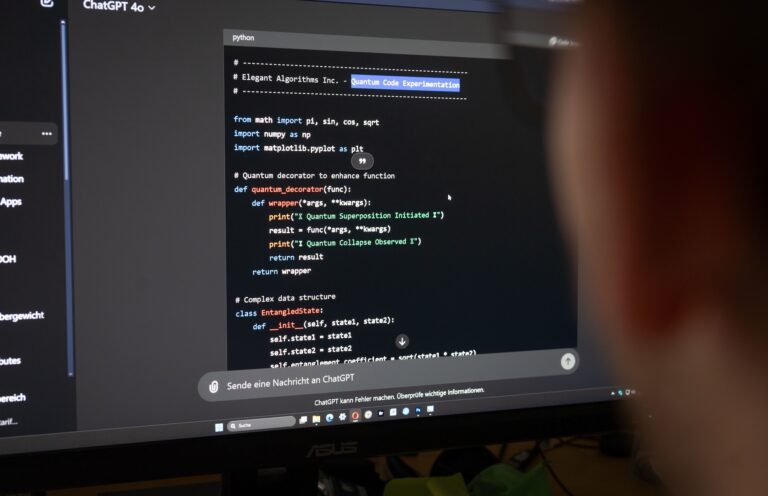
When Claude went down on March 17, my wife messaged me in a panic. “Claude isn’t working for me?!?” she said. I sent her a link to a news story explaining that Claude was experiencing “elevated errors” and that its maker, Anthropic, was working on a fix. “Urgh, how do I look after this child!” she replied, only half-joking.
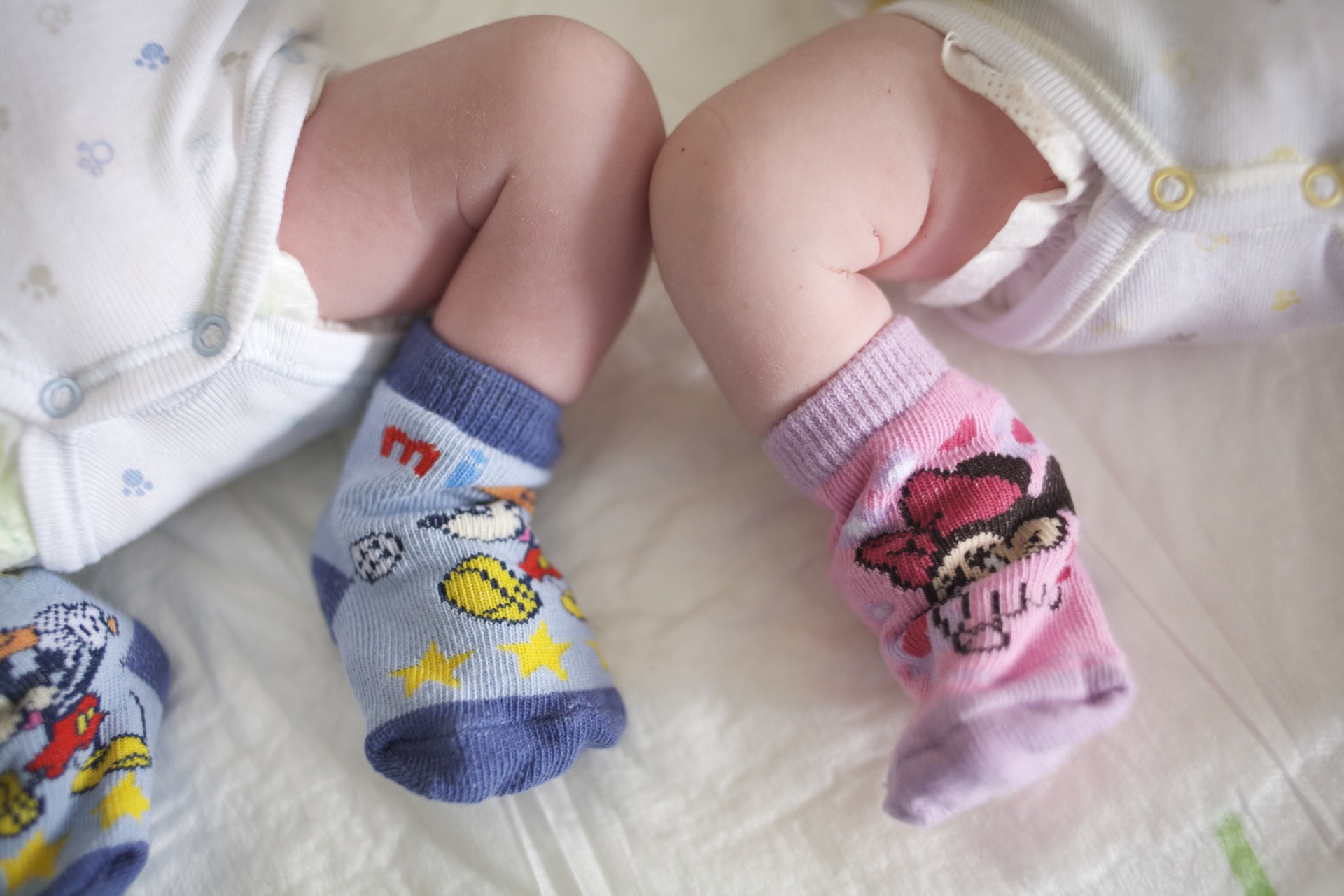
Before our daughter was born last April, I thought I’d be turning to baby books, friends and family, and our local doctor for answers.
Instead, I found myself asking Claude everything from “why is she crying?” and “can she eat hummus?” to “should her head move like that?” and “is this a rash we need to be worried about?”
Related Articles

At first, my wife found it annoying. “Can’t you just think for yourself?” she would often say. Fast forward a few months and she’s fully onboard with Claude—so much so that the AI now feels almost like a third parent.
A quick survey of our antenatal group shows we’re not the only parents using AI on a daily basis. Out with friends a few weeks ago, I learned that practically every couple is roping in the machines for backup.
Bryan Park, a senior corporate lawyer at a bank, said he’s using AI to plan family vacations, source ideas on how to keep a baby stimulated and get guidance on when babies should be hitting certain milestones. Another dad from our antenatal group said he uses it to structure conversations and justify his position when he disagrees with his wife on certain aspects of parenting.
Parents of slightly older kids I spoke to are allowing AI to teach and entertain their offspring by generating personalized colouring books, bedtime stories, child-friendly news podcasts and recipe cards, amongst other things.
Business owner Leah Stern said she’s letting AI tutor her nine-year-old ahead of a big exam. “I’ve set clear boundaries,” she said. “He knows he cannot use it to cheat or simply generate answers. Instead, he uses it to walk him through problems step by step, helping him understand how to reach the solution rather than handing it to him.”
“Technically, this goes against school policy, which discourages the use of AI altogether. But in practice, it has been the most accessible, effective and affordable tutoring support I’ve been able to find,” Stern said. “And the results speak for themselves. His scores have improved significantly.”
Craig Latimir, a former maths teacher, said AI can be of “huge benefit to students and parents alike” who want to prepare for something specific. “Not everyone can afford a human tutor and, in lieu of that, or a knowledgeable adult close to the family, it could work wonders.”
Some parents are also using AI to keep abreast of how their kids are doing at school. Strategic communications expert Oonagh Barrington said she’s created a “project” on ChatGPT for her neurodivergent son. “It has his assessment files uploaded, his school reports, et cetera, and I use it for all manner of advice,” she said. “It’s been incredibly helpful.”
Most parents I spoke to said they use AI to try and understand if there’s something wrong with their child, and if so, what it is and what they should do about it.
Ben Heath, director at communications agency MVPR, said ChatGPT saved his youngest daughter’s life after it correctly highlighted that her rapid breathing could be early-onset pneumonia. “It meant we managed to get her into hospital just in time,” he said, adding that sepsis would have followed the pneumonia if they hadn’t taken her in. “It was still extremely scary and she required three days of drugs, oxygen and observation.”
Despite many parents using AI to help with problems big and small, research suggests we should be wary, especially when it comes to seeking medical advice. A recent Oxford University study found AI chatbots give dangerously inconsistent medical advice and that people struggle to get useful advice from AI and can’t distinguish reliable information from noise. “Despite all the hype, AI just isn’t ready to take on the role of the physician,” said Rebecca Payne, a family doctor and the lead medical practitioner on the study, in a press release about the study.
Another question I’ve been asking myself is what happens to all of our children’s medical data once it’s been shared with an AI? Will our daughter thank us for this when she’s older? Or will she be annoyed? I have a feeling it may be the latter.
The Office of the Privacy Commissioner of Canada said parents should avoid sharing sensitive or identifiable personal information or pictures of minors with AI chatbots. Anthropic did not respond to a request for comment. OpenAI did not provide a comment from a named spokesperson.
Yet, despite the obvious challenges, health-care professionals are reluctant to shun AI completely. Paediatric trainee Joanna O’Sullivan said AI is useful for generating notes and educational resources. “We are conscious that it isn’t going anywhere, and is therefore something we have to work with rather than against,” she said.
“The difficulty lies when parents come in with an AI-informed opinion, but they do not fully understand the information they’ve been given,” O’Sullivan added. “Usually there are glaring inaccuracies, which can unnecessarily worry parents.”
O’Sullivan said it’s particularly challenging when families choose to believe the AI-generated information over what they are being told by health-care professionals.
“The nuance of diagnosis and treatment of children takes years of training to understand, and, at least at the moment, just cannot be fully appreciated by an AI tool,” she said. “The doctor-patient/parent relationship depends on building rapport and mutual trust, and introducing AI as a third party damages this relationship, potentially making it very difficult to rebuild that trust.”