VANCOUVER — The ongoing screenwriters’ strike has pushed the B.C. production company behind Hollywood blockbusters such as Joker and House of Gucci into creditor protection, after it struggled to cope with the impact of the COVID-19 pandemic on the entertainment industry.
Skip to content

News
Amid screenwriters’ strike, Oscar-winning B.C. production firm granted creditor protection
Bron Media says it is unable to pay back significant debts
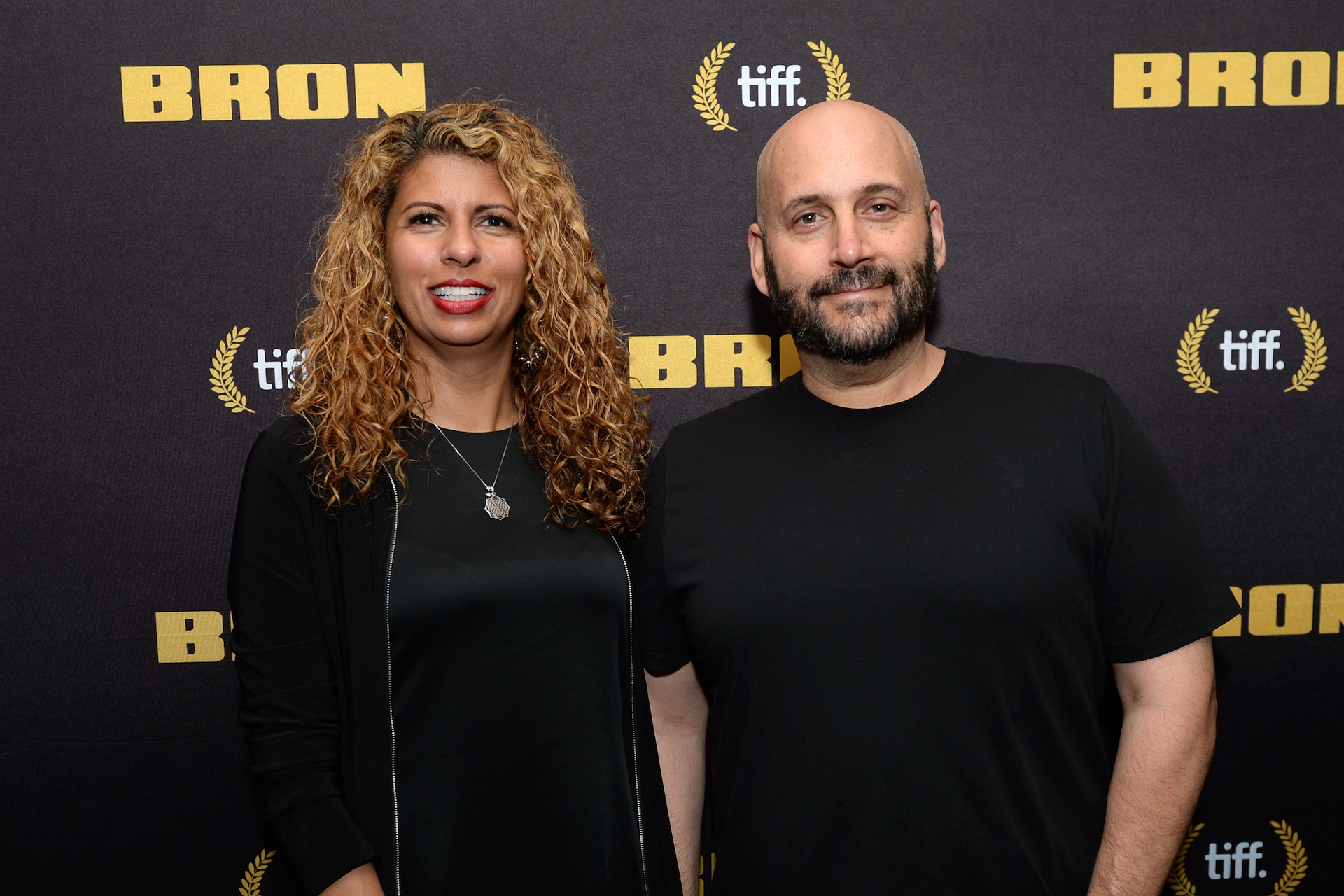
Bron Media co-founders Brenda and Aaron Gilbert on September 8, 2019 in Toronto. Photo: Getty Images/Andrew Toth for Bron Studios
VANCOUVER — The ongoing screenwriters’ strike has pushed the B.C. production company behind Hollywood blockbusters such as Joker and House of Gucci into creditor protection, after it struggled to cope with the impact of the COVID-19 pandemic on the entertainment industry.
Vancouver-based Bron Media has produced or executive produced more than 125 films and TV series, earning six Oscars from 38 Academy Award nominations. According to an affidavit from CEO Aaron Gilbert filed in the Supreme Court of British Columbia July 18, “the company is in dire need of creditor protection.” Gilbert cited Bron’s liquidity issues, debt and other concerns.
Talking Points
- Founded in 2010 in Burnaby, B.C., Bron Media grew into a Hollywood powerhouse with producing credits on more than 125 films and six Academy Awards to its name
- The impact of the screenwriters’ strike, coming after the hit from COVID-19 theatre closures and production delays, has burdened the company with debt it cannot repay
The company did not immediately respond to The Logic’s request for comment.
While Bron’s struggles began with the pandemic, according to the filings, the final blow was the ongoing screenwriters’ strike, in which the Writers Guild of America is at odds with the hundreds of film and TV studios that make up the Alliance of Motion Picture and Television Producers.
The writers are striking over issues including compensation from streaming and the potential use of material written by artificial intelligence. When the guild took to the picket lines in May it delayed or completely shut down some of Bron’s productions.
Bron has about US$148 million in assets—mostly equity investments, intellectual property and amounts due between its group of companies. Meanwhile, it has accumulated roughly US$419 million in loan liabilities, including interest. It owes about $850,000 in payroll, taxes and dues for government programs and said some of its bank accounts have been frozen. It is also facing litigation from one of its secured creditors, among other lawsuits.
Gilbert and his wife Brenda Gilbert, founded Bron out of Burnaby, B.C., in 2010. Six years later, they opened a Los Angeles studio and started working with major Hollywood studios, according to the filings.
Related Articles


By 2018, Bron was also making money selling third-party films globally, started a non-scripted production business that created a Nicki Minaj documentary series and had launched a venture division to invest in production startups, investing in the studio behind The Morning Show as well as that behind Unpregnant.
Before the COVID-19 pandemic hit, Bron was preparing to distribute several “exciting film productions” to be released in 2020, according to Gilbert’s affidavit. The company projected its highest ever financial results for that year and 2021, ramping up its operations and increasing investments. But during the pandemic, as movie theaters shuttered and production activities halted for many months, “The company experienced immeasurable loss,” the affidavit reads.
Bron found itself unable to make money as its significant debt accrued interest. The company’s staff—it had about 115 people across Canada and the U.S. as of July 5 with about 76 of them furloughed—continued to work, but took home smaller salaries.
As theatres re-opened and movies once again started making it to the big screen, audiences didn’t immediately come back, and sales at the box office reflected that. Bron had projected 20 movies it was involved in between 2020 and 2021 would make about US$4 billion globally, but instead they earned roughly US$1 billion.
Bron had been looking for lenders to get more money to fund its work. It talked to New York investment firms and others who had shown interest, but was unable to lock down a deal.
A B.C. judge granted Bron’s application for an initial order July 19. A U.S. bankruptcy court has also granted it relief south of the border. (Bron has what it calls a “complex” corporate structure that includes more than 100 entities, including ones in Canada, the U.S. and other countries.) Bron is planning to create a restructuring plan.



Loading...
Thanks for sharing!
You have shared 5 articles this month and reached the maximum amount of shares available.
CloseThis account has reached its share limit.
If you would like to purchase a sharing license please contact The Logic support at [email protected].
CloseGift the full article!
You have gifted 0 article(s) this month and have 5 remaining.
Recipients will be able to read the full text of the article after submitting their email address. They will not have access to other articles or subscriber benefits.
Photo: Getty Images/Andrew Toth for Bron Studios
Most Popular This Week




In-depth, agenda-setting reporting
Great journalism delivered straight to your inbox.
The Big Read
Alberta’s referendum is just the start of the turmoil
Briefing
EverWind plans $10B data centre and wind development in Nova Scotia
Canada ready to force Stelco to sell its Canadian operations, Joly says
Feds plan a 60 MW defence-oriented data centre for Ottawa
Best business newsletter in Canada
Get up to speed in minutes with insights and analysis on the most important stories of the day, every weekday.
Exclusive events
See the bigger picture with reporters and industry experts in subscriber-exclusive events.
Membership in The Logic Council
Membership provides access to our popular Slack channel, participation in subscriber surveys and invitations to exclusive events with our journalists and special guests.






