Canada’s venture capital sector “continues to fall short” on diversity in its senior ranks, but there are signs of improvement, according to a new report by the Business Development Bank of Canada’s VC arm released Thursday. Here’s what you need to know:
Skip to content
 Diversity among venture fund owners actually declined compared to last year, according to BDC Capital’s new report. Photo: The Canadian Press/Sean Vokey

News
Almost half of Canadian VC firms are entirely male-owned: BDC report
Country’s largest venture investor also releases first ESG survey findings on venture firms, startups
Diversity among venture fund owners actually declined compared to last year, according to BDC Capital’s new report. Photo: The Canadian Press/Sean Vokey
Canada’s venture capital sector “continues to fall short” on diversity in its senior ranks, but there are signs of improvement, according to a new report by the Business Development Bank of Canada’s VC arm released Thursday. Here’s what you need to know:
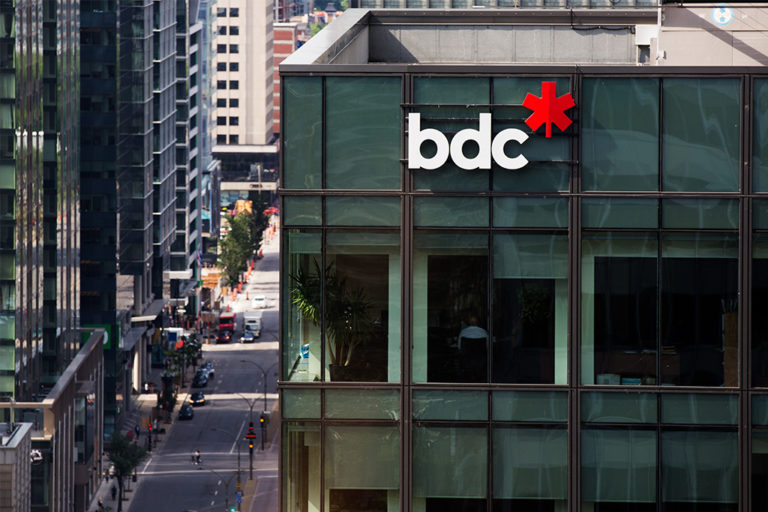
The context: This is BDC Capital’s second report tracking diversity and its first tracking environmental, social and governance metrics among the venture capital firms it backs and their portfolio companies. BDC—a federal crown corporation and the country’s largest venture investor—launched Canada’s first attempt to standardize the collection of diversity data in the VC sector in December 2022, following up with a survey tracking ESG performance in January 2023. The 2023 report covers 63 per cent of active VC funds in Canada, enough for the statistics to serve as a benchmark for the country.
Related Articles

First, the good news: Canada’s venture capital firms are becoming more diverse over time, the report found. Women accounted for at least half of new hires at 63 per cent of the funds BDC invests in, with non-Indigenous racialized people making up at least half of new hires at 56 per cent of BDC-invested funds. (BDC’s report collected data on Indigenous and racialized people in two separate categories.) Almost three-quarters of the firms had at least one woman on their investment committees, which make decisions about which companies to fund, up from 63 per cent the previous year.
Now, the bad news: Diversity among venture fund owners actually declined compared to last year, according to the report. Almost half—48 per cent—of firms were entirely male owned, compared to 43 per cent in the previous year’s survey. Only eight per cent of firms were entirely owned by non-Indigenous racialized people, compared to six per cent a year earlier. Just one in five fund portfolio companies surveyed have an equal number of men and women in their management teams, a figure that’s comparable to the previous year. Men make up the entire board of directors at 44 per cent of portfolio companies, half do not have a single person of colour on their boards and almost no corporate boards had any Indigenous directors.
What’s going on: Alison Nankivell, BDC Capital’s senior vice-president of fund investments and global scaling, cautioned against reading too much into shifts in the data, noting the sample may have changed as different managers responded this year. “This is one year over year, we can’t extrapolate too far,” said Nankivell in an interview.
Data matters: Nankivell said BDC “knew there would be a lot of resistance” to these surveys, especially when it comes to ESG data collection. As my colleague Catherine has reported, startups and scale-ups often find the prospect of climate data disclosure daunting because of a perceived lack of resources and expertise. But BDC persisted because it’s important for funds to know how their performance on these matters stacks up to their peers, she said. “We’re not just taking data, we’re giving it back to you.”



Loading...
Thanks for sharing!
You have shared 5 articles this month and reached the maximum amount of shares available.
CloseThis account has reached its share limit.
If you would like to purchase a sharing license please contact The Logic support at [email protected].
CloseGift the full article!
You have gifted 0 article(s) this month and have 5 remaining.
Recipients will be able to read the full text of the article after submitting their email address. They will not have access to other articles or subscriber benefits.
Photo: The Canadian Press/Sean Vokey
Most Popular This Week




In-depth, agenda-setting reporting
Great journalism delivered straight to your inbox.
News
Panel decries Canada’s chaotic way of funding world-class science
Briefing
Feds pledge $15M for U.S. satellite navigation company Xona to expand in Montreal
Inovia raises US$200M for new VC fund as it eyes AI’s impact
43% of eligible Albertans voted ahead of Monday’s referendum
Best business newsletter in Canada
Get up to speed in minutes with insights and analysis on the most important stories of the day, every weekday.
Exclusive events
See the bigger picture with reporters and industry experts in subscriber-exclusive events.
Membership in The Logic Council
Membership provides access to our popular Slack channel, participation in subscriber surveys and invitations to exclusive events with our journalists and special guests.





