Vancouver-based Addy has been hit with a $100,000 fine for trading securities without registering in one of the first major rulings by a Canadian regulator on fractional investing in real estate.
Skip to content


News
Real estate investment startup admits to $26M in unregistered trading
Addy, a Vancouver-based startup, lets people invest in real estate for as little as $1. A regulator in B.C. has fined it for trading securities without the right paperwork.
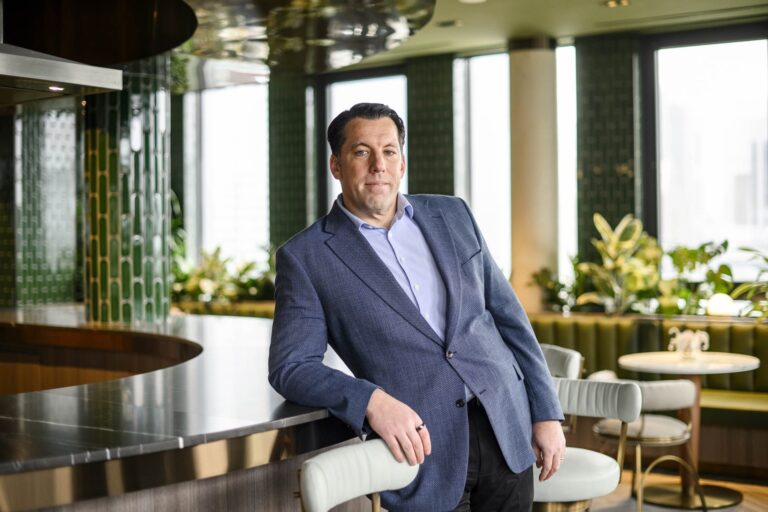
Over the past five years, Addy has traded around $26 million in securities at an average of $700 per investor Photo: The Canadian Press/Darryl Dyck
Vancouver-based Addy has been hit with a $100,000 fine for trading securities without registering in one of the first major rulings by a Canadian regulator on fractional investing in real estate.
Addy complied with the investigation and fine, the British Columbia Securities Commission (BCSC) said, and is now working to register as a securities trading platform. The company acts as an intermediary in trades for real estate, and investors can buy into a property for only $1. Over the past five years, the company traded around $26 million in securities, an average of $700 per investor.
Talking Points
- B.C. regulators fined one of Canada’s first fractional real estate investing platforms for trading securities without registration, despite the company’s attempt to remain exempt
- Trouble in the crypto industry has increased skepticism from regulators over innovative trading platforms, and lawyers say its tricky for regulators to keep up
Fractional investment in real estate is slightly more commonplace in the U.S. There are around 59 real estate crowdfunding startups headquartered in the country, according to PitchBook data—though this includes companies that offer electronic Real Estate Investment Trusts, or REITs.
Concerns over legitimacy in the crypto industry have raised alarm among regulators when it comes to any unconventional or innovative dealers, said Warren Cass, securities and corporate law partner at Gowling WLG. “A lot of people lost a lot of money in crypto,” Cass said. Regulators want companies that are innovating in the space to “come through the front door” instead of skirting regulations.
Addy’s fine amounts to targeted action from regulators, rather than a bigger move to reign in the industry, said Alixe Cormick, a securities lawyer at Venture Law Corporation. The regulators reaffirmed the law rather than “signalling a policy shift,” she said.
Related Articles

Addy attempted to exempt itself from registering as a securities platform through the “crowdfunding” exemption, but the BCSC said some of the startups’s issuers have common principals with the company. Addy also solicited purchasers through emails and social media, so remaining unregistered was “contrary to national rules,” the BCSC said. The BCSC declined to comment about the status of the company’s settlement or any further details.
The firm didn’t register with the BCSC in the first place because it previously operated under exemptions, according to Kolina Kretzschmar, the company’s chief of operations. “As the company grew, the requirement became necessary,” she added.
Addy’s software is licensed by exempt market dealers—securities dealers who are required to register with the BCSC. It also brings in revenue by charging membership fees for certain features.
The startup has now applied to become an exempt market dealer itself, which Kretzschmar said will allow the company to develop new products and features. It can take six months to a year for a company to become registered with the securities commission, and then there is a “whole world of compliance obligations” to abide by, Cass said. “It’s a pretty stiff regime.”
Globally, there are currently around 170 companies globally in the real estate crowdfunding space, with US$3.38 billion invested, according to PitchBook. Addy appears to be one of the first fractional investment startups in Canada focused on real estate, though there are at least seven other companies in the real estate crowdfunding space.
Fractional investing is in some ways similar to a REIT, because they’re both indirect forms of investing and regulated by securities law. But REITs give investors exposure to multiple properties, while fractional investments are just a piece of one. On the other hand, traditional real estate doesn’t use an intermediary and is direct between the buyer and seller, so is governed by property law, Cormick said.
As the lines between technology and brokerage blur, it creates “regulatory lag” for enforcement around how to address these companies, Cormick added. As technology advances quicker than regulations can keep up, innovation is “under-regulated until issues arise,” she argued.



Loading...
Thanks for sharing!
You have shared 5 articles this month and reached the maximum amount of shares available.
CloseThis account has reached its share limit.
If you would like to purchase a sharing license please contact The Logic support at [email protected].
CloseGift the full article!
You have gifted 0 article(s) this month and have 5 remaining.
Recipients will be able to read the full text of the article after submitting their email address. They will not have access to other articles or subscriber benefits.
Photo: The Canadian Press/Darryl Dyck
Most Popular This Week




In-depth, agenda-setting reporting
Great journalism delivered straight to your inbox.
The Big Read
Beacon is building an AI empire by fixing Main Street’s software
Briefing
Inovia raises US$200M for new VC fund as it eyes AI’s impact
43% of eligible Albertans voted ahead of Monday’s referendum
AI chip company Tenstorrent raises US$1.5B, valuing it at US$6.2B
Best business newsletter in Canada
Get up to speed in minutes with insights and analysis on the most important stories of the day, every weekday.
Exclusive events
See the bigger picture with reporters and industry experts in subscriber-exclusive events.
Membership in The Logic Council
Membership provides access to our popular Slack channel, participation in subscriber surveys and invitations to exclusive events with our journalists and special guests.