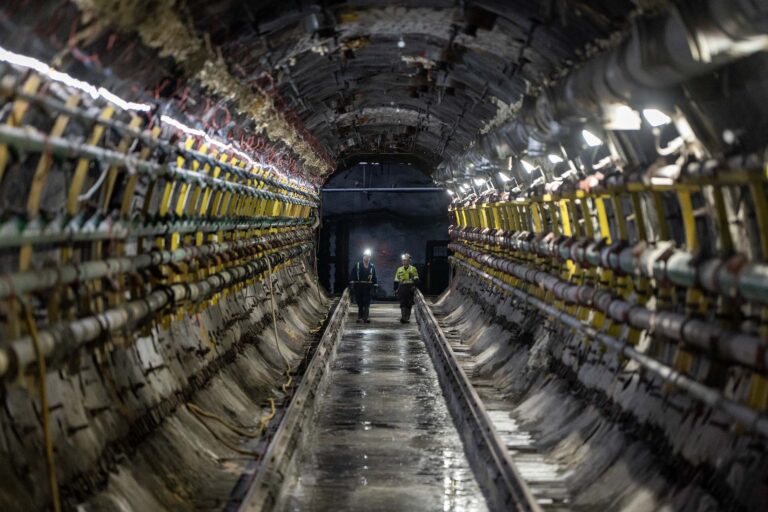
The federal government and Cement Association of Canada have a joint target of net-zero emissions from the construction material by 2050. To achieve it, Ottawa is proposing to disclose the carbon content in its building projects starting this year and cut it by 30 per cent from 2025 onwards; to fund and work on the development of standards and data for measuring and using low-carbon concrete; and to back R&D. (The Logic)
Skip to content

The federal government and Cement Association of Canada have a joint target of net-zero emissions from the construction material by 2050. To achieve it, Ottawa is proposing to disclose the carbon content in its building projects starting this year and cut it by 30 per cent from 2025 onwards; to fund and work on the development of standards and data for measuring and using low-carbon concrete; and to back R&D. (The Logic)
Talking point: Cement production accounts for some 1.5 per cent of annual national emissions, according to federal estimates. That carries over into the concrete used to put up buildings and bridges. The mix can’t travel very far before hardening, so it’s typically produced locally, and the public sector is a big client. “Right now, they’re not applying any kind of criteria around environmental [or] climate considerations,” Eric Dunford, then-government affairs head for CarbonCure, told The Logic earlier this year. New requirements “would put significant pressure on the industry right away to make those changes.” Concrete plants use Dartmouth, N.S.-based CarbonCure’s technology to inject carbon dioxide into their product, cutting its emissions impact; Ottawa’s new roadmap hopes to encourage such domestic innovators as well.



Loading...
Thanks for sharing!
You have shared 5 articles this month and reached the maximum amount of shares available.
CloseThis account has reached its share limit.
If you would like to purchase a sharing license please contact The Logic support at [email protected].
CloseGift the full article!
You have gifted 0 article(s) this month and have 5 remaining.
Recipients will be able to read the full text of the article after submitting their email address. They will not have access to other articles or subscriber benefits.
Most Popular This Week




In-depth, agenda-setting reporting
Great journalism delivered straight to your inbox.
News
A tech firm born from post-Brexit trade chaos sets its sights on Canada
Briefing
Dozens of Canadian researchers join chorus of scientists calling for a global AI oversight
TC Energy strikes deal with Indigenous groups for ownership stake in Coastal GasLink pipeline
Canada’s Tailscale taps Google Moonshot alum to lead sovereign AI push
Best business newsletter in Canada
Get up to speed in minutes with insights and analysis on the most important stories of the day, every weekday.
Exclusive events
See the bigger picture with reporters and industry experts in subscriber-exclusive events.
Membership in The Logic Council
Membership provides access to our popular Slack channel, participation in subscriber surveys and invitations to exclusive events with our journalists and special guests.