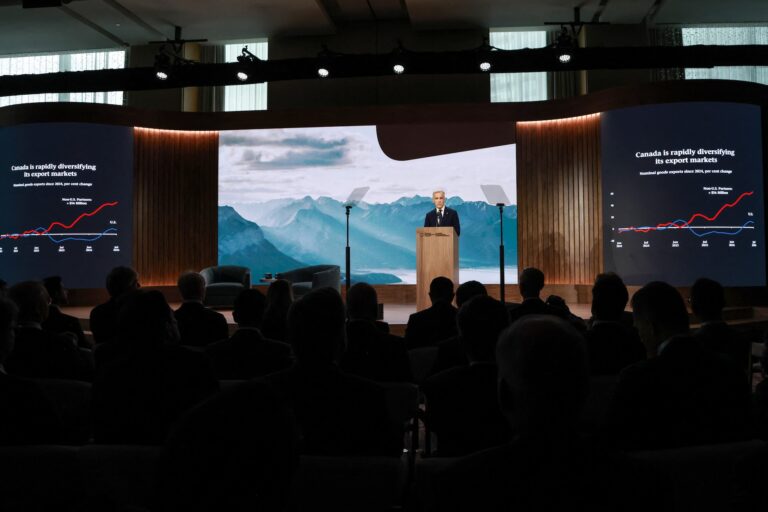
If the new international system isn’t rolled out, there are “serious risks” of governments implementing country-specific levies, triggering retaliatory trade actions, said Pascal Saint-Amans, director of the organization’s centre for tax policy and administration. He has been named partner at the advisory firm Brunswick Group. (Financial Times, The Logic)
Skip to content

If the new international system isn’t rolled out, there are “serious risks” of governments implementing country-specific levies, triggering retaliatory trade actions, said Pascal Saint-Amans, director of the organization’s centre for tax policy and administration. He has been named partner at the advisory firm Brunswick Group. (Financial Times, The Logic)
Talking point: In October 2021, 136 jurisdictions reached an OECD- and G20-brokered agreement to amend how large companies are taxed around the world, setting an international floor and giving governments more rights to charge multinational firms based on where they do business, not just where they’re based. Its implementation has been delayed, and U.S. lawmakers are skeptical. Several governments have proposed or rolled out digital-services taxes as an alternative or stopgap. Canada has one in the works, set to take effect at the start of 2024 if the OECD-led version does not. The U.S. has signalled it could impose tariffs in retaliation. That’s the kind of domino effect that Saint-Amans is expressing concern about.



Loading...
Thanks for sharing!
You have shared 5 articles this month and reached the maximum amount of shares available.
CloseThis account has reached its share limit.
If you would like to purchase a sharing license please contact The Logic support at [email protected].
CloseGift the full article!
You have gifted 0 article(s) this month and have 5 remaining.
Recipients will be able to read the full text of the article after submitting their email address. They will not have access to other articles or subscriber benefits.
Most Popular This Week




In-depth, agenda-setting reporting
Great journalism delivered straight to your inbox.
News
Canada’s landmark ESG case heads to a final decision
Briefing
Matthew Proud-led SPAC threatens to pull out of merger with UniUni
Ottawa awards Mitacs $162M to create AI-focused work placements
Ontario puts $30M into Vector Institute for AI adoption
Best business newsletter in Canada
Get up to speed in minutes with insights and analysis on the most important stories of the day, every weekday.
Exclusive events
See the bigger picture with reporters and industry experts in subscriber-exclusive events.
Membership in The Logic Council
Membership provides access to our popular Slack channel, participation in subscriber surveys and invitations to exclusive events with our journalists and special guests.