The Chandrayaan 2 rocket is expected to arrive at the moon in early September, and will then release a roving vehicle on the surface to examine the previously unexplored south pole. The launch comes a week after a planned launch was called off due to a technical problem. (Financial Times)
Skip to content
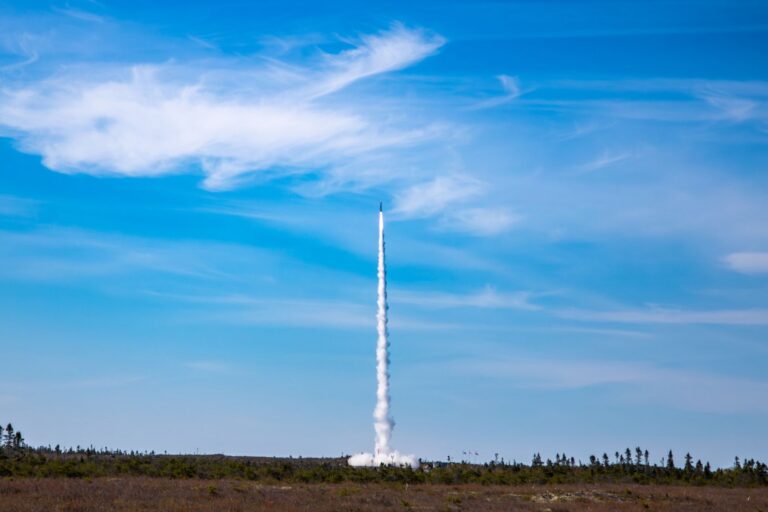
The Chandrayaan 2 rocket is expected to arrive at the moon in early September, and will then release a roving vehicle on the surface to examine the previously unexplored south pole. The launch comes a week after a planned launch was called off due to a technical problem. (Financial Times)
Talking point: The successful completion of the US$140-million mission would make India the fourth country to land on the moon; currently, the list includes the U.S., Russia and China. The last time India attempted a lunar landing was in 2008; the Chendrayaan 1 sent a probe to the moon’s surface but did not successfully complete its controlled landing. India has further ambitions to compete with other major space-exploring countries. In 2014, it was the first Asian country to reach Mars, launching its Mangalyaan probe into orbit around the planet. In 2017, it became the sixth country to launch a “heavy-lift” mission carrying satellites weighing over three tonnes. And, earlier this year, it shot down one of its own satellites, joining the U.S., Russia and China in developing anti-satellite technology. There is a growing space race across Asia. In January, China became the first country to land a rover on the far side of the moon.



Loading...
Thanks for sharing!
You have shared 5 articles this month and reached the maximum amount of shares available.
CloseThis account has reached its share limit.
If you would like to purchase a sharing license please contact The Logic support at [email protected].
CloseGift the full article!
You have gifted 0 article(s) this month and have 5 remaining.
Recipients will be able to read the full text of the article after submitting their email address. They will not have access to other articles or subscriber benefits.
Most Popular This Week




In-depth, agenda-setting reporting
Great journalism delivered straight to your inbox.
News
People hired to promote Canadian rocket firm didn’t actually help, company alleges in lawsuit defence
Briefing
New 100% U.S. tariffs on drones take effect, hitting Canadian industry
Solomon says Canada will stick with its own AI rules after U.S., tech giants push G20 not to regulate
Ottawa defence supplier Allen-Vanguard put into receivership
Best business newsletter in Canada
Get up to speed in minutes with insights and analysis on the most important stories of the day, every weekday.
Exclusive events
See the bigger picture with reporters and industry experts in subscriber-exclusive events.
Membership in The Logic Council
Membership provides access to our popular Slack channel, participation in subscriber surveys and invitations to exclusive events with our journalists and special guests.