Toronto-based semiconductor startup Untether AI is launching a new collaboration with global chip design giant Arm to develop advanced driver-assistance systems and technology for self-driving cars.
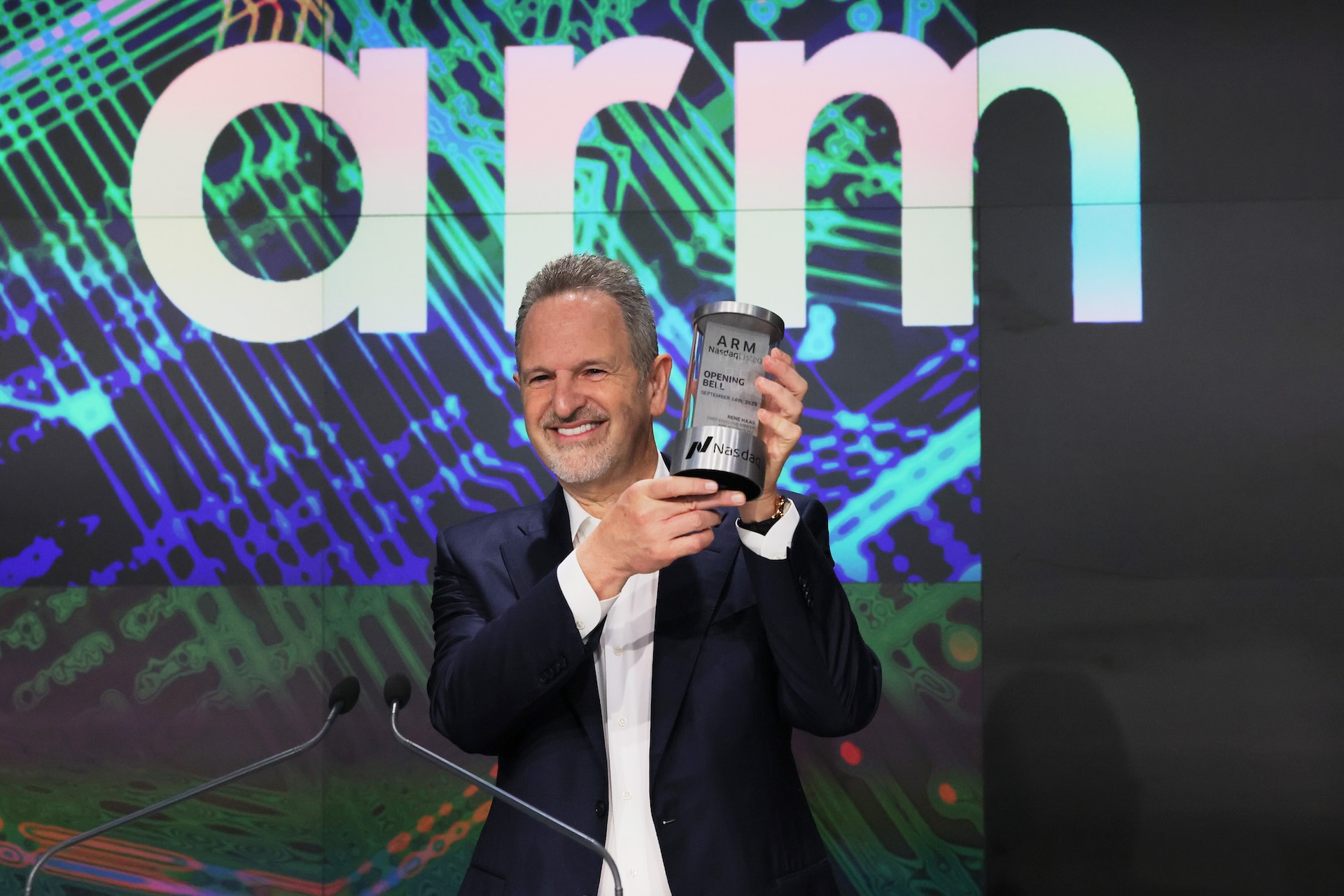
Arm, whose technology is found in chips made by AMD, Intel, Nvidia, Qualcomm and Samsung, aims to elbow its way further into the auto market after notching the 17th biggest U.S. IPO of all time last year.
Talking Points
- Toronto-based Untether AI makes hardware and software to improve the power efficiency of AI, and works with companies like GM on self-driving car technology
- A new collaboration with chip giant Arm could expose it to major players in the AI industry, CEO Chris Walker said
The basics: Arm has become a power player by creating the slate, or template, upon which many chips are designed, as well as the language that developers use to code instructions for chips. In an interview with The Logic, Untether CEO Chris Walker explained Arm’s technology with a metaphor from the world of Lego. You can think of Arm as making sure that blocks from different Lego sets have the same sized poles and can click together, he said.
As vehicles become more complicated—with a single vehicle sometimes running different computer systems to handle infotainment, driver assistance and battery management, for example—Arm is becoming a clearinghouse from which automakers can pull pieces of computer systems, provided by brands like Untether AI, and know those pieces will click together elegantly with other “blocks” or chiplets made with Arm technology.
Arm’s flex: Arm has started working directly with partners like Alphabet, Cruise and Mercedes-Benz, increasing its market share in the auto sector to nearly 41 per cent at the end of 2022, up from about 33 per cent at the end of 2020. Last month, it announced two other Canadian automotive partners, BlackBerry and LeddarTech.
Why Untether?: The startup, which is backed by GM’s venture fund, as well as Intel Capital, CPP Investments and Radical Ventures, has been working with General Motors in Ontario to build perception systems for autonomous vehicles. It makes both hardware and software to help computers move data through artificial intelligence systems at a more efficient clip while using less energy.
Walker said inclusion in Arm’s catalog of partners, alongside household-name brands like Amazon Web Services, Microsoft and Nvidia, will help encourage collaboration between startups and large companies. Ultimately, he hopes that helps put better AI into the auto market sooner, and make sure cars can crunch data from sensors and cameras quickly and accurately, without draining the battery.
“A lot of talk about these models and artificial intelligence, it’s largely been about creating the models … we’re the technology that helps take that trained model, and actually make it real,” said Walker. “We’ll experience it through safer driving.”