Listen Now
0:00
CALGARY — Canada’s five largest oilsands companies have struck a long-awaited deal with the federal and Alberta governments that ties support for accelerated oil production to the construction of the world’s largest carbon capture project—in part through a suite of new incentives and regulatory concessions for industry.
The non-binding agreement would ease Alberta’s industrial carbon pricing rules for oil sands companies that meet certain emissions-reduction milestones—while providing potential new fiscal and regulatory support and accelerated approvals for the industry’s multibillion-dollar Pathways carbon capture project.
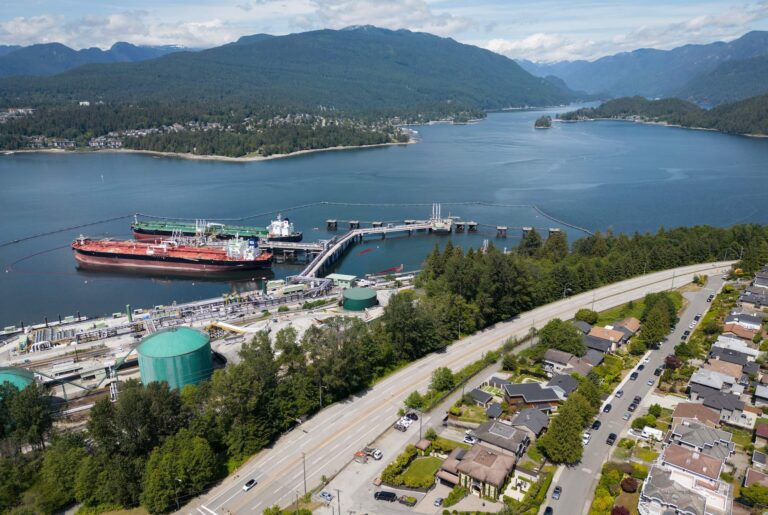
The deal also explicitly links the carbon capture project to Alberta’s proposed West Coast oil pipeline, with the parties describing the two projects as mutually dependent and agreeing that production growth will be needed to underpin the new export route.
Related Articles
The agreement reaffirmed Ottawa’s extension of investment tax credits for carbon capture projects and committed the federal government to exploring additional financial support for Pathways—including potential mechanisms to help cover its long-term operating costs. The parties have until Nov. 15 to conclude binding, definitive agreements spelling out the terms of operating support and other regulatory changes.
The two levels of government negotiated the memorandum of understanding with the five member companies of the Oil Sands Alliance, including Canadian Natural Resources Ltd., Cenovus Energy, ConocoPhillips Canada, Imperial Oil and Suncor Energy. The parties signed it on July 2, but released it on Monday.
Under the deal, producers would reduce six million tonnes of emissions annually through the Pathways carbon capture project by the mid-2030s, with the amount rising after that. The targets reflect the revised emissions road map adopted in the May implementation agreement between Ottawa and Alberta, which reduced the alliance’s earlier 22-million-tonne goal to 16 million tonnes by 2045.
“This will be the biggest post-combustion carbon capture and storage project in the world,” Oil Sands Alliance president Kendall Dilling said Monday. “So yes, maybe it’s smaller than had been conceived of in a different time with a different regulatory context. But this is a huge thing to celebrate.”
Dilling said the deal’s commitment to ease the annual tightening of emissions performance standards under Alberta’s Technology Innovation and Emissions Reduction (TIER) industrial carbon pricing system was essential to getting the deal done with industry—and to making the multibillion-dollar Pathways project economically viable.
“If we’re going to make this massive investment in carbon capture and storage, you can’t do that and then also pay a massive carbon tax on top of that,” he said. “You’ve got to be recognized for that investment, and so the lower TIER stringency is absolutely part of the mix.”
Alberta said the agreement is intended to attract tens of billions in new investment and that it will support the increased oil production needed to fill new export pipeline capacity.
Federal Energy Minister Tim Hodgson added in a statement that Pathways is critical to delivering on the goals of building energy infrastructure while reducing emissions, saying: “Canada has what it takes to be an energy superpower.”
The MOU included other key commitments and expectations. Among them:
- A timeline: Pathways is expected to enter service by Jan.1, 2032, and be fully complete by Jan. 1, 2035. For context, Alberta estimates construction of its proposed West Coast oil pipeline could be complete sometime between 2032 and 2034.
- Additional incentive: Oilsands companies that meet their Pathways and emissions reduction commitments would get a break on their benchmarks under Alberta’s TIER carbon pricing system. Their required annual emissions cut would go from two per cent to one per cent, which would reduce their future compliance costs.
- Operating cost support: Ottawa said it would pursue changes to federal Clean Fuel Regulations to allow eligible upstream carbon capture projects like Pathways to generate more compliance credits, creating additional revenue to offset operating costs.
- Canadian content: The oilsands firms commit, where “reasonably feasible,” to prioritize Canadian technology and supply chains in the construction of Pathways, including by using Canadian-produced steel and aluminum.
Editor’s note: This story was updated to add detail about the terms of the agreement.